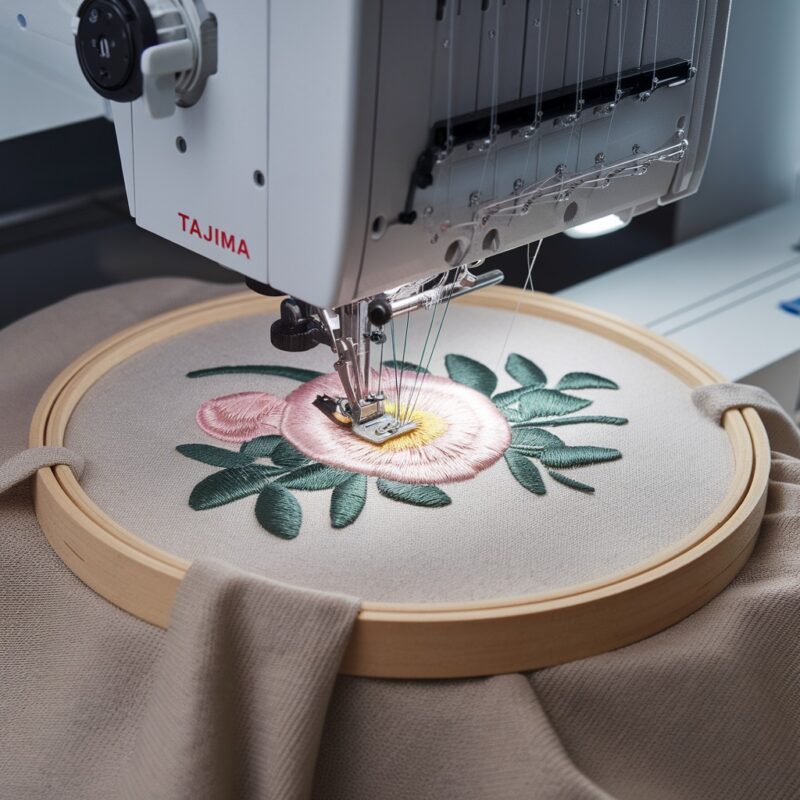
Common Errors and Solutions for Design Misalignment on Tajima TMAR-KC Series


Errors and Solutions for Design Misalignment on Tajima TMAR-KC Series (Single-Head with Multi-Embroidery Capabilities)
The Tajima TMAR-KC Series is known for its precision and versatility, especially when handling multi-embroidery projects. However, design misalignment can still occur, causing the finished product to look unprofessional. Understanding the reasons behind misalignment and applying the right solutions can help you achieve accurate, high-quality embroidery every time.
Causes of Design Misalignment on Tajima TMAR-KC Series
1. Improper Hooping
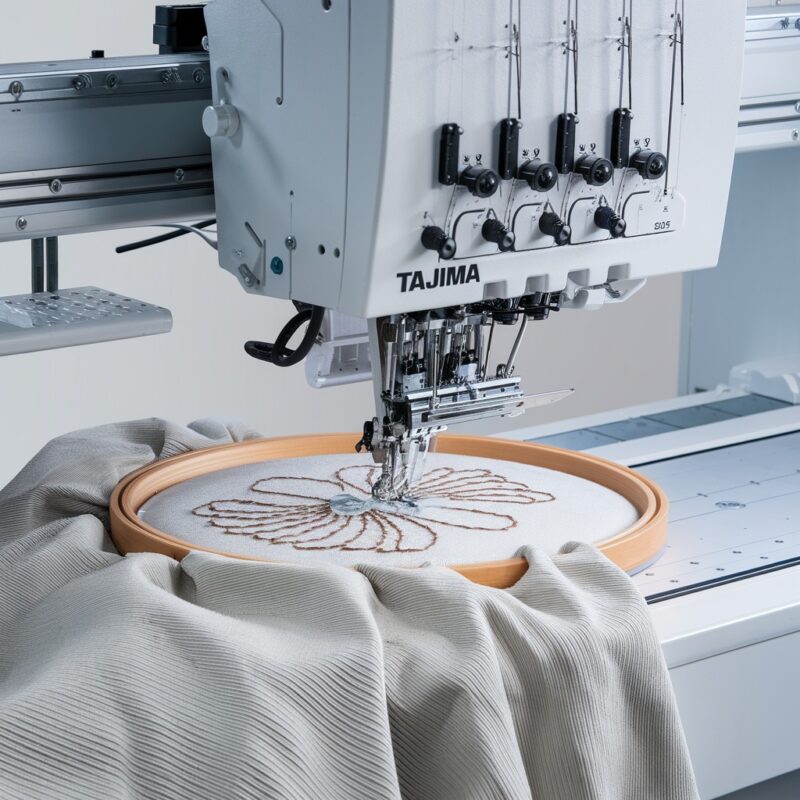
One of the most common causes of design misalignment is improper hooping of the fabric. If the fabric isn’t securely hooped or if it shifts during the embroidery process, your design will not align as intended.
Solution:
- Ensure Proper Tension: Make sure the fabric is taut but not overstretched when hooping. If the material is loose, it will move during stitching, leading to misalignment.
- Use Adhesive Stabilizer: For slippery or difficult-to-hoop fabrics, using an adhesive stabilizer can help keep the material in place.
- Double-check the Hoop: Always double-check the placement of the fabric in the hoop before starting. The edges should be smooth and wrinkle-free.
2. Cap Frame Misalignment
When embroidering caps, using a cap frame is crucial for stability. However, if the cap is not properly positioned in the frame, the design can shift, leading to misalignment.
Solution:
- Position the Cap Correctly: Make sure the cap is positioned correctly in the cap frame. Pay attention to alignment marks and ensure the cap is sitting evenly.
- Use a Cap Driver: Utilize the cap driver attachment to maintain consistent tension across the cap. This prevents shifting during the stitching process, which is especially important on curved surfaces.
- Test Run on Scrap Material: Before starting a new cap project, consider running a test design on a scrap cap to ensure everything is aligned and positioned correctly.
3. Fabric Shifting During Multi-Color Designs
When working on multi-color designs, each color layer must align perfectly. If the fabric shifts between color changes, this can cause misalignment of the entire design.
Solution:
- Tighten Hoop After Each Color: After stitching each color layer, ensure that the fabric hasn’t loosened in the hoop. If necessary, tighten the hoop or make small adjustments to maintain tension.
- Reduce Machine Speed: Slowing down the machine during multi-color designs can help prevent shifts, especially when stitching intricate or large designs. Lower speeds give the fabric more stability.
- Use Registration Marks: Some digitizing software allows for the use of registration marks to help guide the machine when switching between colors, ensuring everything lines up correctly.

4. Incorrect Machine Settings
Inconsistent or incorrect machine settings can lead to design misalignment. If the machine speed, tension, or presser foot height is off, your design may shift during the embroidery process.
Solution:
- Calibrate Settings for Each Fabric Type: Different fabric types require different machine settings. Make sure to calibrate tension, presser foot height, and speed based on the fabric you’re using.
- Regularly Check Machine Calibration: Over time, machine settings may drift, especially after frequent use. Regularly check and calibrate your Tajima TMAR-KC Series machine to prevent errors.
- Use the Correct Presser Foot Height: When embroidering thicker materials, ensure that the presser foot height is adjusted accordingly. This prevents the fabric from moving too much under the needle.
5. Improper Design Digitizing
Sometimes, the problem may lie in how the design was digitized. If the design isn’t properly optimized for the specific fabric or hoop size, misalignment issues can occur during stitching.
Solution:
- Optimize for the Fabric: Ensure that the design is digitized with the correct settings for the fabric type. Some fabrics may require different stitch types or densities to avoid pulling or shifting.
- Use Gridlines in Software: When digitizing, make use of gridlines to ensure that all elements of the design are perfectly aligned. This can help maintain accuracy when the machine executes the design.
- Test the Design First: Run a test stitch-out of your design on a sample fabric before moving to the final project. This helps identify any potential misalignment issues early on.
6. Needle or Thread Tension Issues
Incorrect tension on the needle thread or bobbin thread can cause the fabric to pull unevenly during stitching, leading to design misalignment.
Solution:
- Check Thread Tension: Regularly check both the upper thread tension and the bobbin thread tension to ensure they are balanced. Unbalanced tension can pull the fabric and shift the design.
- Use a Tension Gauge: A tension gauge can help you fine-tune the tension for different fabrics and designs.
- Re-thread the Machine: Sometimes, re-threading the machine can solve tension issues. Ensure the thread passes smoothly through the guides and tension discs.
7. Worn or Damaged Hoops
Over time, embroidery hoops can become worn or damaged, causing them to lose their ability to hold fabric securely. If a hoop no longer provides a firm grip, the fabric can shift during the embroidery process, leading to misaligned designs.
Solution:
- Regular Hoop Inspection: Routinely inspect your hoops for wear and tear. If you notice cracks, dents, or any deformations, replace the hoop to ensure it holds the fabric tightly.
- Hoop Maintenance: Keep hoops clean and free from any adhesive residue or thread build-up, which can affect grip.
- Use the Right Hoop Size: Ensure you are using a hoop that matches the size of your design. A too-large hoop may not provide the right level of tension for smaller designs.
8. Loose or Incorrect Bobbin Installation
A poorly installed bobbin or a bobbin case with incorrect tension can cause the fabric to pull unevenly during stitching, resulting in design misalignment. This issue is especially noticeable when working on larger or more complex designs.
Solution:
- Check Bobbin Tension: Ensure the bobbin tension is properly set for the thread type and fabric you are using. If the tension is too loose or tight, the fabric may shift as the design is stitched.
- Use High-Quality Bobbins: Invest in high-quality bobbins that fit your Tajima TMAR-KC machine perfectly. Low-quality bobbins may cause irregularities in stitch formation, affecting design accuracy.
- Reinstall the Bobbin Correctly: Always double-check the bobbin installation to ensure it’s seated properly. An improperly placed bobbin can create uneven stitches and shift the fabric.
9. Improper Backing or Stabilizer
The stabilizer or backing you use plays a crucial role in preventing fabric movement during embroidery. If the backing isn’t suitable for the fabric or design, it can lead to design misalignment, especially when embroidering on stretchy or lightweight fabrics.
Solution:
- Use the Right Stabilizer: Choose the correct stabilizer for the fabric and design complexity. For stretchy or delicate fabrics, consider using a cut-away stabilizer for added stability. For heavier or thicker fabrics, a tear-away stabilizer may work best.
- Add Extra Stabilizer for Larger Designs: For larger designs, especially those with many color changes or stitch layers, adding an extra layer of stabilizer can help prevent fabric distortion.
- Secure the Stabilizer Properly: Ensure that the stabilizer is properly adhered to the fabric. If it’s not fully secured, the fabric can shift, leading to misalignment. Using spray adhesive or basting stitches can help keep the stabilizer in place.
10. Machine Vibrations
Excessive machine vibrations can cause the fabric to shift during the embroidery process, leading to design misalignment. This issue is often more common when the machine is operating at high speeds or if it is placed on an uneven or unstable surface.
Solution:
- Check Machine Stability: Ensure that your embroidery machine is placed on a sturdy, level surface to minimize vibrations during operation.
- Slow Down the Stitching Speed: Reducing the machine speed can help minimize vibrations and allow for more precise stitching. This is especially useful when embroidering detailed designs or working with lightweight fabrics.
- Use Rubber Feet or Padding: If machine vibrations persist, consider placing rubber feet or padding under the machine to absorb some of the motion and keep it steady.
11. Incorrect Needle Size or Type
Using the wrong needle size or type for your fabric or thread can lead to issues such as fabric shifting, skipped stitches, or design misalignment. For multi-embroidery designs that involve a variety of stitch types and fabrics, selecting the correct needle is crucial.
Solution:
- Choose the Right Needle: Match the needle size and type to the fabric and thread being used. A needle that is too large can create unnecessary holes in the fabric, while a needle that is too small may struggle to penetrate the fabric smoothly.
- Use Specialty Needles for Specific Fabrics: When working with caps, leather, or other thicker materials, use needles designed for those fabrics. For stretchy materials, consider using ballpoint needles to reduce fabric distortion.
12. Thread Quality and Type
The quality and type of thread being used can also contribute to design misalignment. Low-quality threads may break or fray during stitching, while mismatched thread types may cause tension issues that pull the fabric.
Solution:
- Invest in High-Quality Thread: Using high-quality embroidery thread can help reduce thread breaks and fraying, ensuring smoother stitching and less fabric movement.
- Match Thread to Fabric: Make sure the thread type you are using is suitable for the fabric. For example, thicker fabrics may require thicker threads, while delicate fabrics may need finer threads.
- Regularly Re-thread the Machine: If you notice frequent thread breaks or tension issues, it may be worth re-threading the machine to ensure the thread is properly aligned and tensioned.
Conclusion
In the world of multi-embroidery designs on the Tajima TMAR-KC Series, preventing design misalignment requires a combination of proper machine settings, fabric preparation, and attention to detail. By ensuring that your fabric is securely hooped, calibrating your machine settings correctly, and using the right materials, you can avoid many of the common causes of misalignment. Regular machine maintenance, including tension checks and needle replacements, will also help keep your designs precise and professional.