Errors and Solutions for Skipped Stitches on Tajima TFMX-C Series Embroidery Machines


Common Errors and Solutions for Skipped Stitches on Tajima TFMX-C Series Embroidery Machines
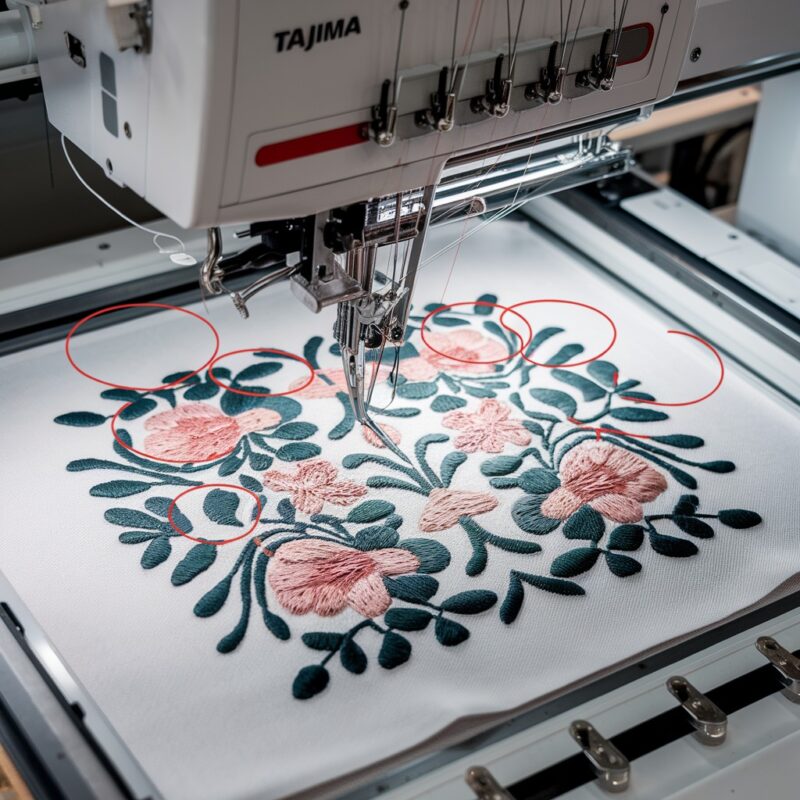
Skipped stitches are a frequent concern in high-speed embroidery machines like the Tajima TFMX-C Series. This issue impacts the quality of your designs, leaving gaps or uneven stitching. Let’s explore the primary causes and effective solutions to prevent skipped stitches in your embroidery projects.
Causes of Skipped Stitches
1. Worn or Damaged Needles
A dull or bent needle cannot penetrate fabric smoothly, leading to skipped stitches.
Solution:
- Regularly inspect the needle and replace it if worn or damaged.
- Use needles suitable for the fabric type and embroidery design.
2. Incorrect Thread Tension
Improper thread tension can cause irregular stitches, including skips.
Solution:
- Test and adjust both upper and bobbin thread tensions.
- Use tension gauges for precise calibration.

3. Improper Fabric Stabilization
Unstable fabric may move during embroidery, resulting in skipped stitches.
Solution:
- Use appropriate stabilizers based on fabric type (cut-away, tear-away, or water-soluble).
- Hoop the fabric tightly to minimize movement.
4. Hook Timing Issues
If the hook timing is off, it won’t catch the thread loop correctly, causing skips.
Solution:
- Check the hook timing and adjust it according to the manufacturer’s guidelines.
- Seek professional servicing if unsure about making adjustments.
5. Thread Quality
Low-quality thread can break or slip through the tension discs, leading to stitching problems.
Solution:
- Use high-quality embroidery thread.
- Store threads in a dry, cool place to avoid degradation.
6. Dust and Debris Accumulation
Lint or debris in the needle plate, hook assembly, or bobbin area can interfere with smooth operation.
Solution:
- Clean the machine thoroughly before and after use.
- Use a soft brush or compressed air to remove debris.
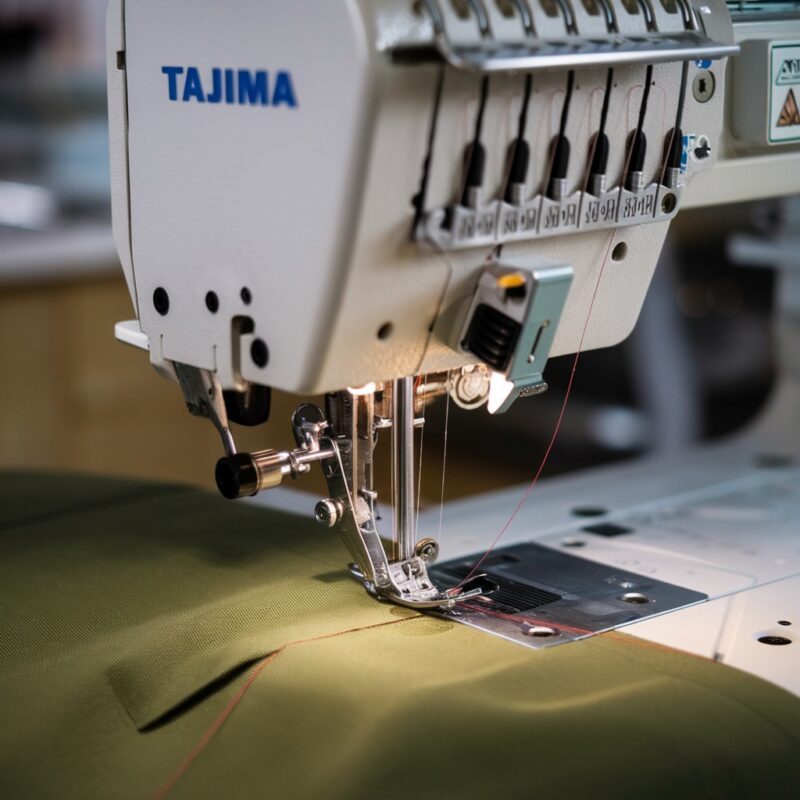
7. Incorrect Presser Foot Height
If the presser foot is too high, the needle may not form a proper loop with the thread, resulting in skips.
Solution:
- Adjust the presser foot height to match the fabric thickness.
- Ensure the presser foot aligns perfectly with the needle plate.
8. Needle-Thread Compatibility
The mismatch between the needle size and thread thickness can hinder smooth stitching and cause skips.
Solution:
- Match needle size to the thread type and thickness. For example, use larger needles for thicker threads.
- Refer to the manufacturer’s thread-needle compatibility chart for guidance.
9. Fabric Type Challenges
Certain fabrics, such as stretchy or slippery materials, are more prone to skipped stitches.
Solution:
- Use ballpoint needles for knit fabrics and sharp needles for woven materials.
- Apply temporary adhesive spray to stabilize slippery fabrics or use a specialty stabilizer.
10. Uneven Hooping Pressure
Improper hooping can cause fabric shifts during embroidery, leading to inconsistent stitching.
Solution:
- Ensure the fabric is taut and evenly tensioned in the hoop.
- Avoid over-tightening the hoop, which can distort the fabric and affect stitch formation.
11. Thread Path Obstructions
Snags or friction along the thread path can interrupt smooth thread feeding.
Solution:
- Inspect the thread path and remove any tangles or obstacles.
- Clean thread guides and tension discs to remove lint or buildup.
12. Worn Hook or Bobbin Case
A worn hook or bobbin case can fail to catch the thread loop consistently.
Solution:
- Check for signs of wear or damage on the hook and bobbin case.
- Replace worn components with original manufacturer parts for optimal performance.
13. Excessive Machine Speed
Operating at maximum speed continuously can increase the likelihood of skipped stitches.
Solution:
- Reduce machine speed when working on intricate designs or challenging materials.
- Allow the machine to cool down during extended embroidery sessions.
Advanced Troubleshooting Techniques
1. Perform a Thread Tension Test
Skipped stitches may occur if tension settings are not balanced.
- Run a simple test design and examine the back of the embroidery.
- Adjust the tension so that the bobbin thread is slightly visible on the underside of the fabric.
2. Recalibrate the Feed Dog
Misaligned feed dogs can cause uneven fabric feeding, contributing to skipped stitches.
- Inspect the feed dog’s height and alignment.
- Adjust or reset it according to the manufacturer’s specifications.
3. Verify Software Settings
Incorrect embroidery software parameters, such as stitch length or density, can lead to skipped stitches.
- Ensure the design’s settings align with the machine’s capabilities and fabric type.
- Avoid overly dense designs that strain the needle and thread.
Preventive Measures for Skipped Stitches
- Consistent Maintenance: Clean the machine after every use, particularly the hook assembly and bobbin area.
- Use Quality Accessories: Invest in premium needles, threads, and stabilizers for reliable results.
- Operator Training: Ensure operators are well-trained in hooping, threading, and troubleshooting techniques.
Conclusion
Skipped stitches on the Tajima TFMX-C Series can be a source of frustration, but understanding the root causes and implementing these solutions will help you minimize interruptions. From proper hooping to needle-thread compatibility, each step plays a vital role in achieving flawless embroidery results. By maintaining your machine and adopting preventive practices, you can enhance productivity and produce professional-grade designs every time.