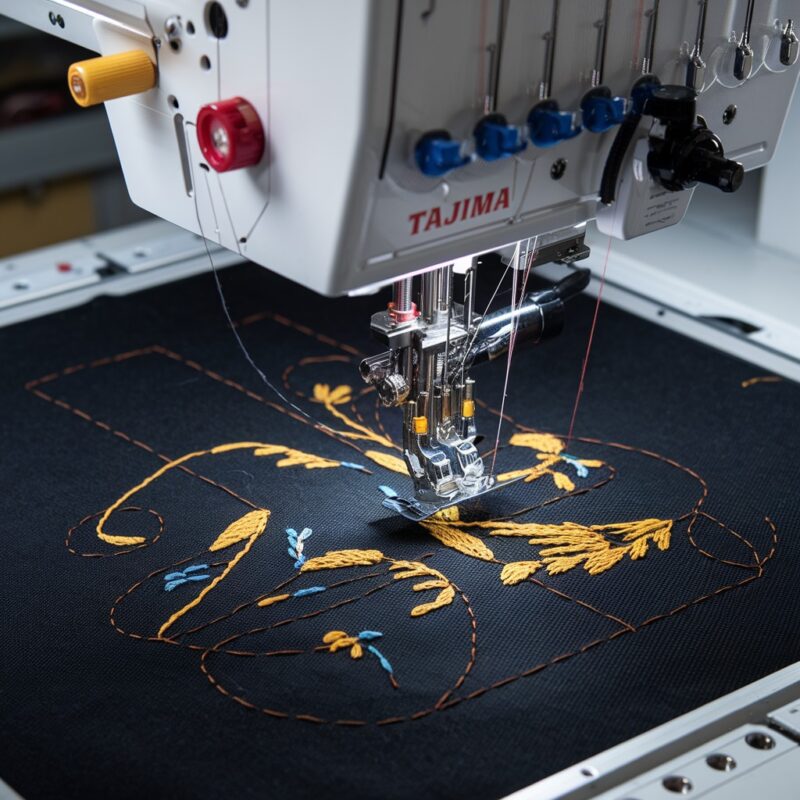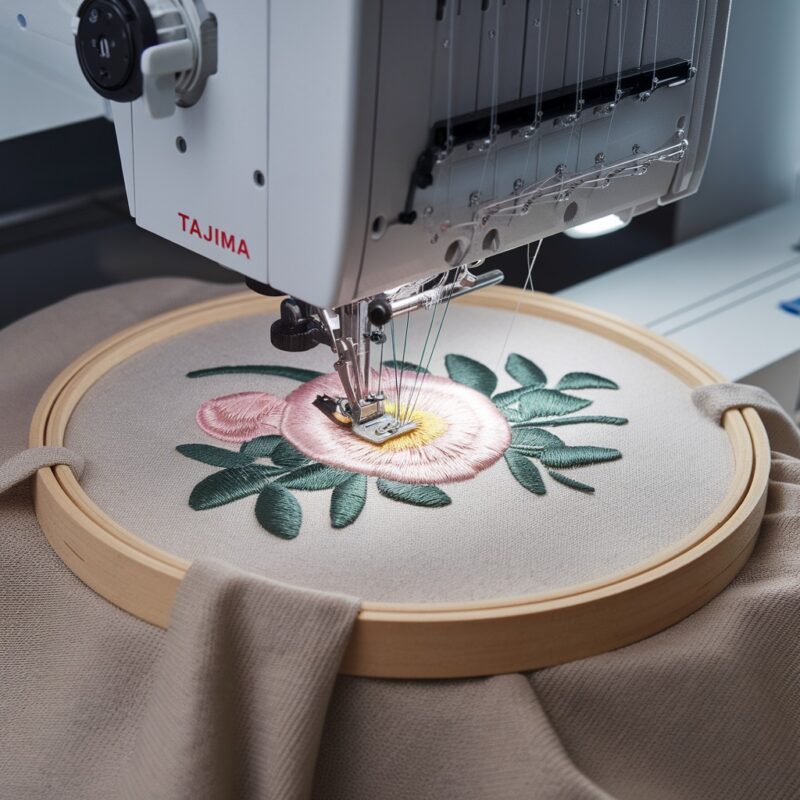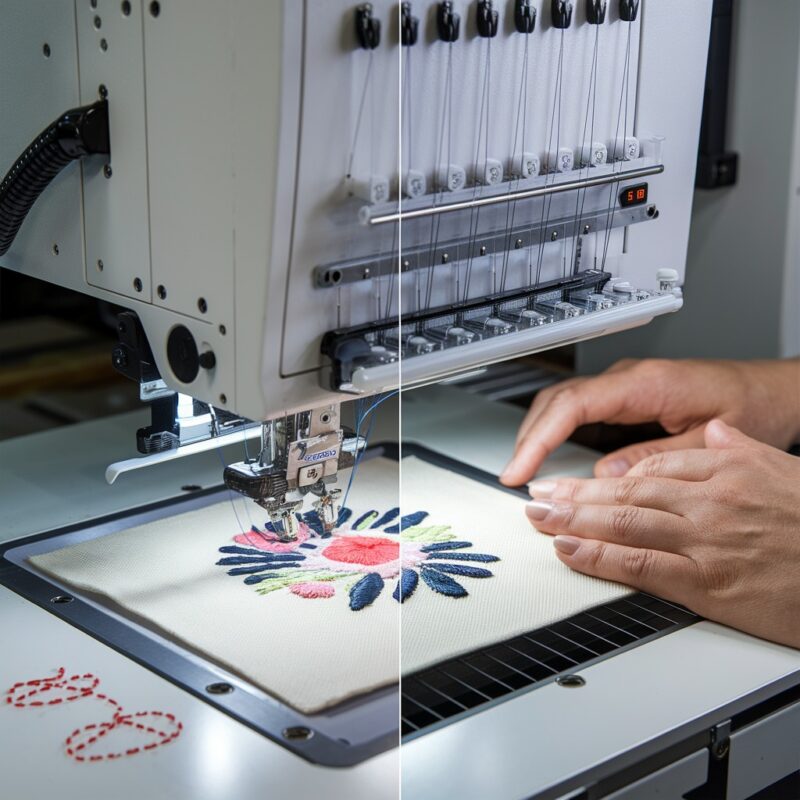
Skipped Stitches in Multi-Embroidery Designs in Tajima TMAR-KC Series – Errors and Solutions

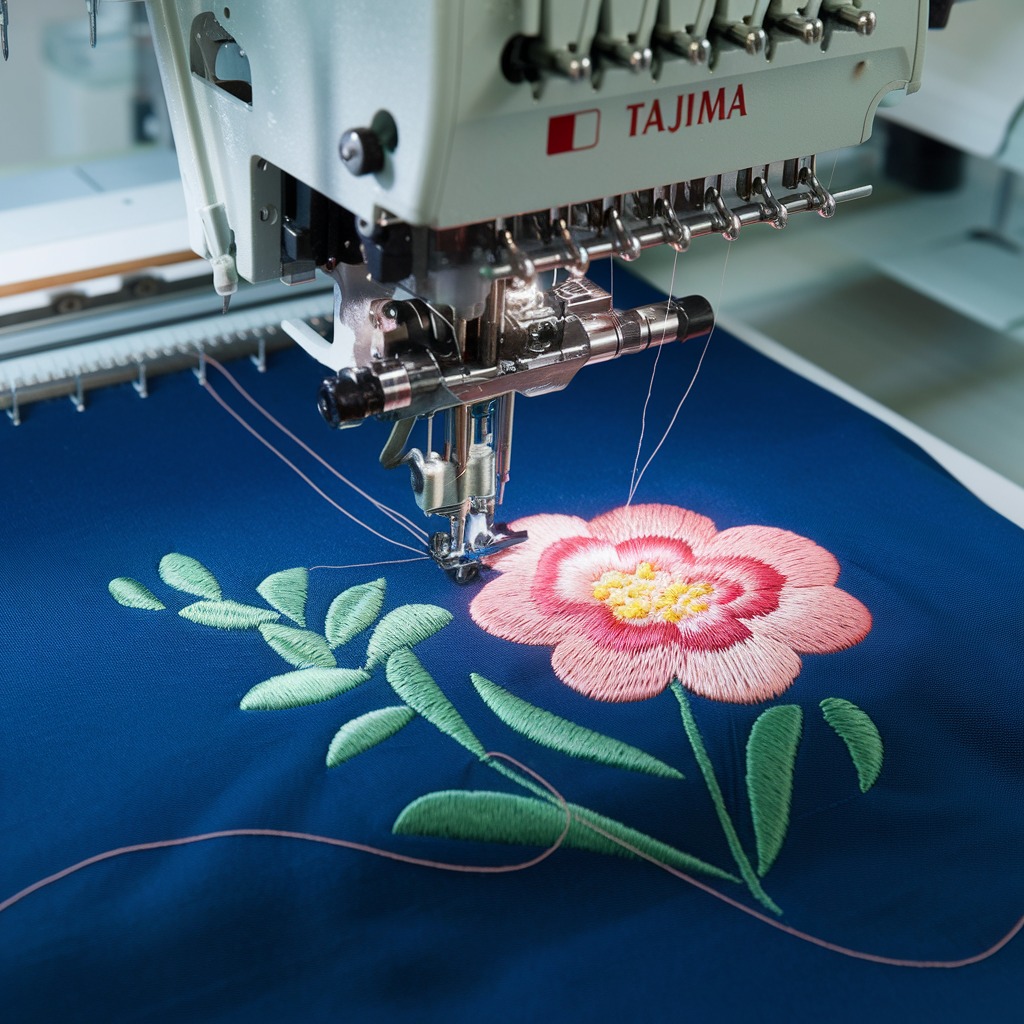
Tajima TMAR-KC Series: Skipped Stitches in Multi-Embroidery Designs – Common Errors and Solutions
Skipped stitches are one of the most frustrating issues when working with embroidery machines, particularly when dealing with complex multi-embroidery designs on the Tajima TMAR-KC Series. This machine, renowned for its multi-embroidery capabilities, can still experience skipped stitches due to various technical factors. In this guide, we’ll walk through the common causes of skipped stitches on the TMAR-KC Series and provide practical solutions to help you maintain flawless embroidery results.
1. Incorrect Needle Installation or Size
One of the leading causes of skipped stitches is using the wrong needle size or improper installation. The needle plays a critical role in picking up the bobbin thread, and if it is incorrectly installed or unsuitable for the fabric and thread, the stitch formation may fail.
Solution:
- Ensure Proper Needle Installation: Double-check that the needle is fully inserted and aligned properly. The flat side should face the correct direction according to the machine‘s manual.
- Use the Right Needle Size: Match the needle size to the thread and fabric. For denser fabrics or thicker threads, a larger needle is necessary. For delicate fabrics, use a smaller needle to prevent damage and skipped stitches.
- Regular Needle Changes: Replace the needle after every 8-10 hours of embroidery or when switching between different fabric types to avoid dullness, which can contribute to skipped stitches.
2. Thread Tension Issues
Thread tension that’s either too tight or too loose can also cause skipped stitches. Incorrect upper or bobbin tension prevents the needle from looping the thread correctly, which results in missed stitches during the embroidery process.
Solution:
- Check Thread Tension Settings: Adjust the upper thread tension to ensure it’s not too tight, especially when using thicker threads or delicate fabrics. Loosen or tighten it as necessary, based on fabric and thread thickness.
- Bobbin Tension: Verify that the bobbin thread is evenly wound and that the bobbin tension is properly set. If the bobbin thread is too tight, it may affect stitch formation and cause skipping.
- Perform Test Runs: Before starting a complex design, run a test embroidery piece to ensure tension settings are accurate.
3. Poorly Hooped Fabric
If the fabric is not hooped tightly or evenly, it can lead to fabric shifting during stitching, which often results in skipped stitches. This is especially problematic when embroidering caps or curved surfaces, where fabric stability is more difficult to maintain.
Solution:
- Ensure Proper Hooping: Make sure the fabric is hooped tightly without overstretching. Loose or sagging fabric can cause missed stitches as the needle fails to pick up the bobbin thread correctly.
- Use Appropriate Hoops: For cap embroidery, use specialized cap frames to provide better stability during stitching. For other multi-embroidery designs, use the right-sized hoop to minimize fabric movement.
- Re-hoop If Necessary: If you notice skipped stitches during embroidery, pause and re-hoop the fabric before continuing.

4. Damaged or Incorrect Bobbin Case
A damaged or worn bobbin case can interfere with the smooth operation of the embroidery process, causing skipped stitches. Additionally, using the wrong bobbin type or a poorly wound bobbin can result in thread tangling and skipped stitches.
Solution:
- Inspect the Bobbin Case: Regularly check the bobbin case for wear and tear. Replace it if necessary, especially if you notice any rough edges or burrs that could snag the thread.
- Use Correct Bobbins: Ensure you are using the correct type of bobbins for your machine. Incorrect bobbins may not fit properly, causing tension issues and skipped stitches.
- Proper Bobbin Winding: Make sure the bobbin is wound evenly and not too tight or loose. An unevenly wound bobbin can affect tension and lead to missed stitches.
5. Dirty Machine or Needle Plate
A build-up of lint, dust, or thread debris inside the machine or on the needle plate can obstruct the embroidery process, leading to skipped stitches.
Solution:
- Regular Machine Cleaning: Clean your machine frequently, especially the bobbin area and needle plate. Use a small brush or compressed air to remove any lint or thread build-up that could interfere with smooth stitching.
- Check the Needle Plate: Ensure the needle plate is free from nicks or scratches that could catch the thread and cause skipped stitches.
6. Timing Issues
The timing between the needle and the bobbin hook must be perfectly synchronized for proper stitch formation. If the timing is even slightly off, the needle may miss the bobbin thread, leading to skipped stitches.
Solution:
- Machine Servicing: If you suspect that the timing is off, it’s best to have a professional technician service the machine. Attempting to adjust the timing yourself without proper knowledge can lead to further issues.
- Regular Maintenance: Schedule regular professional maintenance for your Tajima TMAR-KC machine to ensure the timing and other mechanical components are working correctly.
7. Incompatible Thread and Fabric Pairing
Skipped stitches can occur if the thread and fabric are not compatible with each other. For instance, using delicate or thin threads with thick fabrics (or vice versa) can lead to skipped stitches as the needle struggles to pick up the bobbin thread correctly.
Solution:
- Select Compatible Threads and Fabrics: Match the thread weight and type to the fabric you’re embroidering. Use stronger threads for thicker fabrics like denim and lighter threads for delicate fabrics like silk.
- Test Samples: Always perform a test run on a sample fabric before starting your main embroidery project to ensure that the thread and fabric work well together.
8. Improper Needle Depth Adjustment
The needle depth is crucial for optimal stitch formation. If the needle is set too high or too low, it won’t properly interact with the bobbin hook, leading to skipped stitches, especially during complex multi-embroidery designs.
Solution:
- Check Needle Depth: Refer to your machine’s manual and ensure the needle depth is set to the recommended level. It’s important to adjust this correctly, especially when switching between different fabric thicknesses or types.
- Avoid Overly Tight Fabric: When hooping, make sure the fabric isn’t stretched too tightly, as this can affect how the needle interacts with the material and bobbin thread.
9. Incorrect Embroidery Speed Settings
Another factor that may contribute to skipped stitches is the speed of the machine. Running the embroidery machine too fast can cause the needle to miss stitches, particularly with complex designs or thicker fabrics.
Solution:
- Adjust Machine Speed: For intricate multi-embroidery designs, reduce the speed of your Tajima TMAR-KC machine to allow for more accurate stitch formation. Slowing down the machine can often prevent the needle from skipping over areas, ensuring better precision.
- Use Consistent Speed: Keep the machine speed consistent throughout the embroidery process to avoid sudden speed changes that can affect stitch accuracy.
10. Thread Breakage Leading to Skipped Stitches
Sometimes, thread breakage can cause skipped stitches, as the machine continues stitching without the upper thread properly connected. This can leave sections of your design unfinished, with noticeable gaps.
Solution:
- Monitor Thread Breakage: Set up your machine’s thread break detection to immediately stop embroidery when a break occurs. This feature ensures you can re-thread the machine and continue the design without skipping sections.
- Use High-Quality Thread: Using high-quality embroidery thread minimizes the risk of frequent breaks, which in turn reduces the chance of skipped stitches. Cheap or old thread is more prone to breaking and causing skipped areas.
11. Fabric Shifting During Embroidery
Fabric movement can easily cause skipped stitches, particularly when working on caps or other rounded surfaces in multi-embroidery designs. Fabric that shifts even slightly can cause the needle to miss its stitch point, resulting in an incomplete design.
Solution:
- Use Stabilizers: Adding the correct stabilizer underneath your fabric helps prevent fabric movement during embroidery. Stabilizers provide structure and reduce the chance of shifting, which in turn prevents skipped stitches.
- Cap Frames for Curved Surfaces: When embroidering caps or other curved items, always use a proper cap frame to securely hold the material in place and ensure smooth stitching.
12. Embroidery Software and Design Issues
Sometimes the issue may not be with the machine itself but with the design you are using. Poorly digitized designs or software issues can cause the machine to miss stitches because the design is not optimized for embroidery.
Solution:
- Check Embroidery File: Make sure your design file is properly digitized for embroidery. Low-quality files may contain gaps or incorrect stitch paths that cause skipped stitches.
- Use Compatible Software: Use embroidery software that’s compatible with the Tajima TMAR-KC machine to ensure that designs are processed correctly. Always preview the design before stitching to catch potential problems.
13. Thread Feeding Issues
Skipped stitches can also result from inconsistent thread feeding. If the thread is not feeding smoothly through the tension discs, it may cause the thread to get stuck momentarily, leading to missed stitches.
Solution:
- Smooth Thread Path: Ensure the thread is feeding properly through all guides and tension discs without any snags. Clean the thread path regularly to remove lint or other debris that may obstruct smooth feeding.
- Use Thread Nets: For slippery threads like rayon or metallic, use thread nets to prevent tangling and ensure even feeding through the machine.
Conclusion
Addressing the issue of skipped stitches on your Tajima TMAR-KC Series machine requires a combination of proper maintenance, the right tools, and careful attention to detail. By ensuring correct needle installation, tension settings, fabric stability, and speed control, you can prevent skipped stitches and achieve high-quality, flawless embroidery results. Remember to regularly clean your machine, monitor your threads, and use compatible materials to ensure a smooth embroidery process, particularly when working on intricate multi-embroidery designs.