Tajima TMBR-SC Series: Uneven Stitch Quality – Common Errors and Solutions


Tajima TMBR-SC Series: Uneven Stitch Quality – Common Errors and Solutions
The Tajima TMBR-SC Series (Single-Head with Digitally Controlled Presser Foot) offers precision and control, making it a favorite for embroidery professionals. However, if you encounter uneven stitch quality during embroidery, it can compromise the appearance of your designs. Uneven stitches can be caused by various factors, including thread tension, needle issues, or improper machine settings. This guide will walk you through the common causes of uneven stitching and the solutions you can implement to fix them.
Common Causes of Uneven Stitch Quality
1. Incorrect Thread Tension
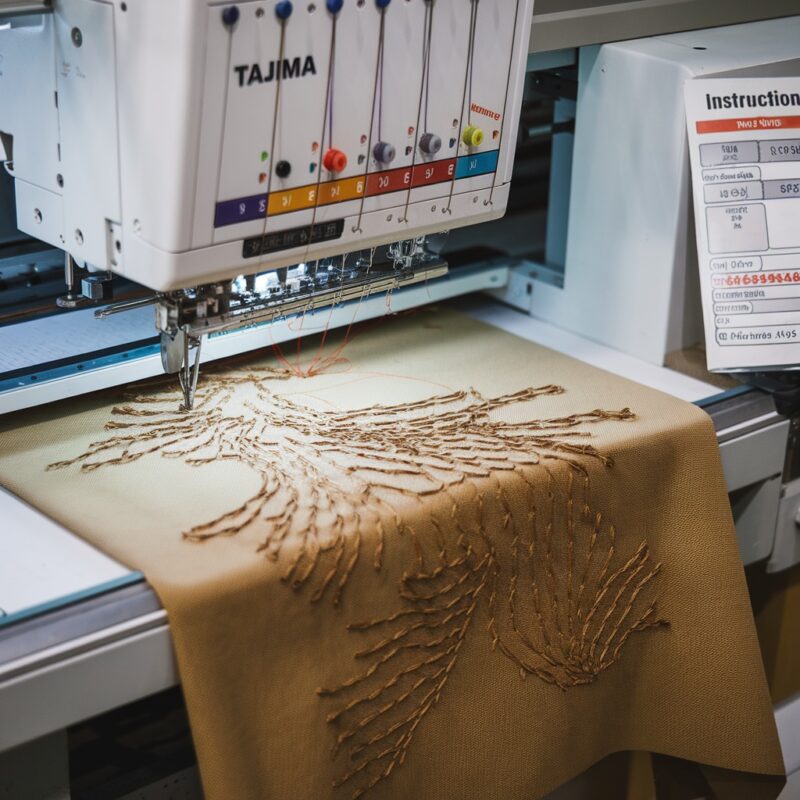
One of the most common causes of uneven stitch quality is improper thread tension. If the upper or bobbin tension is off, your stitches may appear too tight or too loose, resulting in uneven stitching on both the front and back of the fabric.
Solution:
- Adjust the upper thread tension using your machine’s controls. Loosen the tension if the stitches are too tight and pull the fabric. Tighten the tension if the stitches are too loose and uneven.
- Check the bobbin tension by running a test stitch. The top and bottom stitches should be evenly balanced. If the bobbin thread is visible on the top or bottom of the fabric, adjust the tension accordingly.
- Test different tension settings on scrap fabric similar to your project to ensure the perfect balance before embroidering.
2. Inconsistent Fabric Hooping
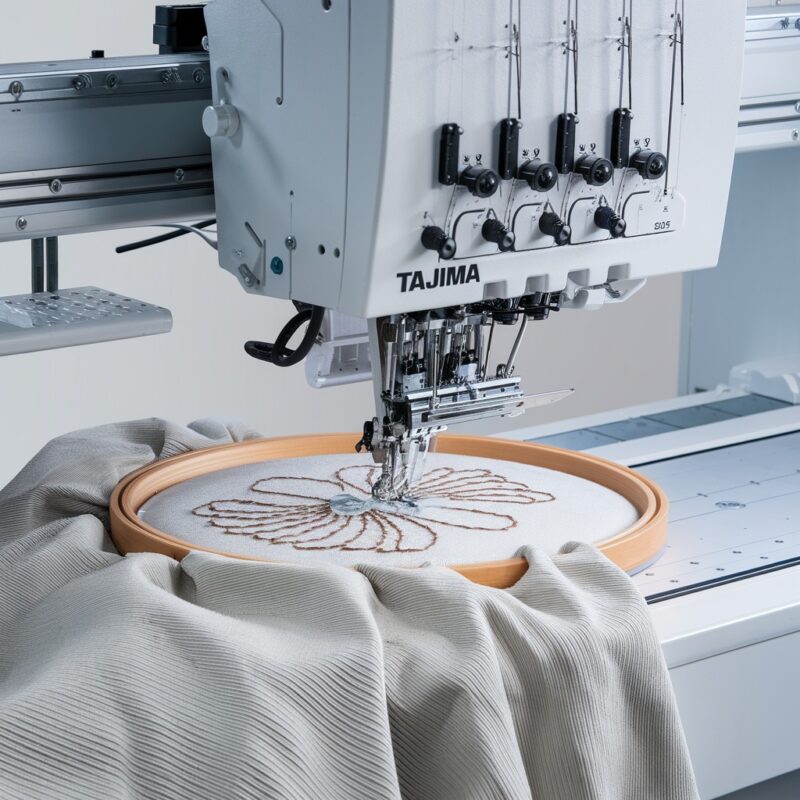
Poor fabric hooping can lead to uneven stitches, especially if the fabric is not evenly stretched or is too loose in the hoop. This allows the fabric to move during stitching, causing inconsistent stitch formation.
Solution:
- Ensure that the fabric is hooped tightly and evenly. The fabric should be taut but not overstretched in the hoop, and there should be no wrinkles or sagging.
- For difficult fabrics, such as knits or stretchy materials, use a stabilizer to keep the fabric in place. A well-chosen stabilizer will prevent shifting during stitching, resulting in more consistent stitches.
- Consider re-hooping the fabric if you notice any signs of movement or distortion during the embroidery process.
3. Needle Issues
Using the wrong needle type or a worn-out needle can contribute to uneven stitch quality. A dull or damaged needle can cause skipped stitches, thread breaks, or irregular stitch patterns.
Solution:
- Use the correct needle size and type for your fabric. For example, ballpoint needles are better suited for knit fabrics, while sharp needles work best for woven fabrics.
- Regularly change your needle, especially after completing large projects. A good rule of thumb is to replace the needle after every 8 hours of stitching or sooner if you notice any stitching issues.
- Inspect the needle for any signs of wear or damage, such as bending or dullness, and replace it immediately if needed.

4. Machine Speed
Operating the machine at too high or too low a speed can affect stitch quality. High-speed stitching can cause the fabric to shift, while low speeds may result in inconsistent tension.
Solution:
- Adjust the machine’s speed based on the type of fabric and design. For thicker fabrics or dense designs, reduce the speed slightly to allow the machine to handle the material without causing shifts.
- When working with intricate designs or delicate fabrics, slowing down the machine can help produce smoother, more even stitches.
- Run a test on similar fabric with the intended design to determine the ideal speed setting for consistent stitch quality.
5. Presser Foot Pressure
Uneven presser foot pressure can also lead to uneven stitches. If the presser foot is too high, the fabric may move too freely under the needle, while if it’s too low, the fabric may become overly compressed, causing inconsistent stitch patterns.
Solution:
- Adjust the presser foot pressure using the digitally controlled presser foot feature on your Tajima TMBR-SC machine. Lower the pressure for delicate or thin fabrics to prevent distortion, and increase it slightly for thicker materials.
- Conduct a test run to find the ideal presser foot height and pressure for your specific fabric and design. You want enough pressure to keep the fabric stable without causing it to shift or compress.
- Regularly check and calibrate the presser foot to ensure optimal performance during embroidery.
6. Poor Thread Quality
The quality of the thread you use can have a significant impact on stitch consistency. Lower-quality threads may break more frequently, tangle, or run unevenly through the machine, leading to inconsistent stitches.
Solution:
- Always use high-quality embroidery threads that are designed for smooth operation in embroidery machines. These threads are less likely to break or tangle, ensuring more consistent stitches.
- Match the thread weight to the fabric and design. Heavier threads are better for thick fabrics, while finer threads are ideal for lightweight materials.
- Check the thread path for any tangles or obstructions and ensure the thread is feeding smoothly into the machine.
7. Stabilizer Selection
An improper or inadequate stabilizer can cause the fabric to shift during stitching, resulting in uneven stitch quality. Choosing the right stabilizer is key to maintaining fabric stability during embroidery.
Solution:
- Use a stabilizer that matches the fabric and design density. For example, a cutaway stabilizer offers more support for dense designs, while a tearaway stabilizer is better for lighter fabrics and simpler designs.
- Apply multiple layers of stabilizer for heavier fabrics or designs with high stitch density. The extra support will help maintain fabric stability throughout the embroidery process.
- Test different stabilizers on scrap fabric to find the best option for your project.
8. Bobbin Thread Issues
Issues with bobbin threading, such as uneven winding or incorrect insertion, can result in inconsistent stitch quality. If the bobbin thread is not feeding properly, it can cause irregular stitches.
Solution:
- Ensure that the bobbin is wound evenly and that there are no loose threads or tangles. An unevenly wound bobbin can cause irregular tension and uneven stitches.
- Double-check the bobbin’s placement in the case and that it is inserted correctly. An improperly inserted bobbin can cause stitching issues.
- Regularly clean the bobbin case to remove lint or debris that might affect the bobbin’s movement and tension.
9. Regular Machine Maintenance
Over time, embroidery machines can accumulate lint, dust, and debris, especially around moving parts like the needle, bobbin case, and thread path. This buildup can interfere with thread movement, tension, and overall stitching performance.
Solution:
- Regularly clean your embroidery machine, paying particular attention to the needle plate, bobbin area, and thread guides. Use a small brush to remove lint and debris that could interfere with thread movement.
- Lubricate moving parts as recommended in the machine’s manual. Proper lubrication reduces friction, ensuring smoother operation and stitch quality.
- Schedule routine professional servicing for your Tajima machine. Regular maintenance by a qualified technician can help catch wear and tear that may lead to inconsistent stitching.
10. Environmental Factors
Temperature and humidity can affect both the thread and the machine’s performance. In a dry environment, thread may become more brittle, leading to frequent breaks and uneven stitches. Excessive humidity, on the other hand, can cause thread to swell slightly, affecting tension.
Solution:
- Maintain a stable working environment with controlled temperature and humidity levels. Ideally, the room where you operate your embroidery machine should be between 65-75°F (18-24°C) with humidity levels around 50-60%.
- Store threads in a cool, dry place to prevent them from absorbing moisture or becoming brittle.
- If you live in an area with extreme humidity or dryness, consider using a humidifier or dehumidifier in your embroidery workspace to maintain optimal conditions.
11. Adjusting the Machine’s Tension Settings
Even after balancing upper and lower thread tension, you may still encounter uneven stitches if the tension settings are not appropriate for the specific fabric or design. Embroidery designs with varying stitch densities, such as satin and fill stitches, may require fine-tuning.
Solution:
- Adjust the machine’s tension based on the specific stitch type you are using. Satin stitches, for instance, may require slightly looser tension compared to fill stitches.
- Create a test design that includes different stitch types and densities to find the optimal tension settings for your specific project.
- When working with complex or large designs, consider breaking the design into smaller sections and adjusting tension as needed for each part.
12. Using Specialty Threads
If you are using specialty threads like metallic or variegated threads, these can sometimes cause uneven stitching due to their unique properties. Metallic threads, in particular, are more prone to breaking or snagging during embroidery, leading to uneven stitches.
Solution:
- When using metallic or specialty threads, reduce the machine’s stitching speed. Slower speeds help prevent breakage and allow the thread to move more smoothly through the machine.
- Adjust the upper thread tension to be looser when using metallic threads. This will reduce the strain on the thread and allow for more even stitches.
- Use a needle specifically designed for metallic threads, which has a larger eye to reduce friction and prevent shredding.
13. Thread Path Alignment
An incorrectly threaded machine can lead to tension issues that affect stitch consistency. If the thread is not properly aligned along its path, it may cause pulling or snagging, resulting in uneven stitches.
Solution:
- Double-check the threading path on your machine, following the steps outlined in the machine’s manual. Ensure the thread is properly seated in the tension discs and threading guides.
- Look for any obstructions or tangles along the thread path, and remove them to ensure smooth thread feeding.
- Periodically re-thread the machine, especially if you experience frequent thread breaks or inconsistent stitches, as this can help reset any issues with thread tension.
14. Replacing Worn Parts
Over time, certain components of your embroidery machine, such as the needle plate or the feed dogs, may wear out and contribute to uneven stitching. Worn parts can lead to issues like fabric slippage, irregular thread tension, or skipped stitches.
Solution:
- Inspect the needle plate for any signs of wear, such as burrs or scratches. A damaged needle plate can catch the thread or fabric, resulting in uneven stitches. Replace it if necessary.
- Check the condition of the feed dogs. If they are worn or damaged, they may not move the fabric evenly under the needle, which can lead to stitching issues. Consider replacing them if you notice irregular movement or fabric pulling.
- Regularly assess other key components, such as the presser foot, for wear and tear, and replace them if they no longer provide consistent pressure or fabric control.
15. Proper Design Digitizing
Uneven stitch quality may also stem from issues in the design’s digitization. If the embroidery design has not been properly digitized, it can result in inconsistent stitch density, overlaps, or gaps that affect the final output.
Solution:
- Ensure that your embroidery designs are properly digitized for the specific fabric and thread type you are using. Designs that are too dense or not adequately adjusted for fabric stretch may lead to uneven stitches.
- Work with a professional digitizer to optimize your designs for better stitch consistency, or use reputable digitizing software that allows you to customize stitch density and spacing.
- Run a test stitch on scrap fabric before committing to the final design to check for any areas that may require digitizing adjustments.
Conclusion
Maintaining even stitch quality on your Tajima TMBR-SC Series embroidery machine requires attention to multiple factors, including tension settings, thread quality, fabric preparation, and regular machine maintenance. By understanding and addressing these common issues, you can ensure consistently professional results in your embroidery projects. Implement these solutions to tackle uneven stitches, and keep your machine running at its best to produce high-quality embroidery every time.