Errors and Solutions for Thread Breakage at High Speeds in Tajima TFMX-C Series Embroidery Machines

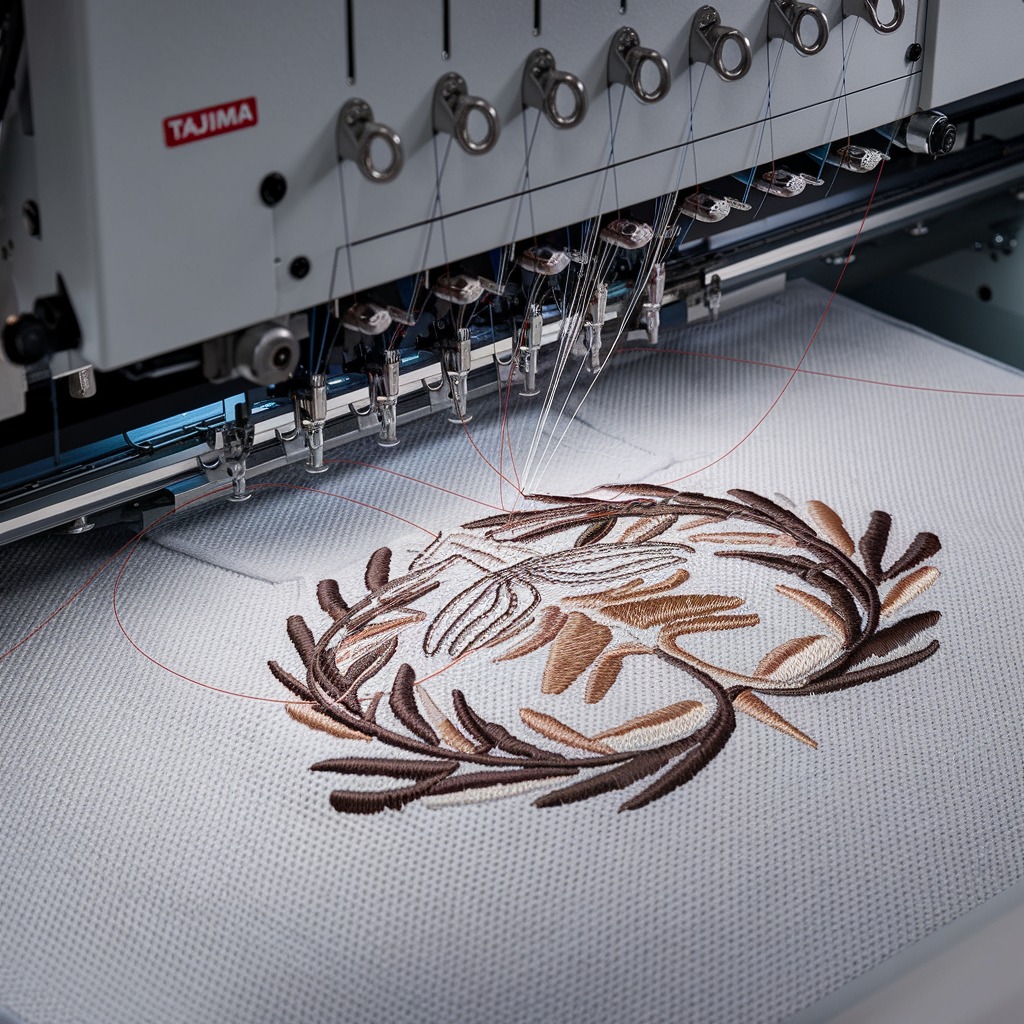
Errors in Thread Breakage on the Tajima TFMX-C Series (High-Speed Single-Head) and Solutions
The Tajima TFMX-C Series is known for its high-speed precision in embroidery, but when operating at high speeds, certain issues, such as thread breakage, can occur. These interruptions can significantly impact your production and the quality of your designs. In this blog, we’ll explore common causes of thread breakage and provide effective solutions to keep your machine running smoothly.
1. Incorrect Thread Tension
Thread tension plays a crucial role in maintaining the integrity of your embroidery. When thread tension is too tight or too loose, it can result in frequent breakage.

Causes:
- Over-tightened upper thread tension.
- Incorrect bobbin thread tension.
- Inconsistent tension during high-speed stitching.
Solutions:
- Adjust the upper thread tension to a balanced level using the machine’s controls.
- Check the bobbin tension and ensure it is correctly wound and inserted.
- Use the machine’s tension adjustment settings to ensure smooth, even stitching throughout the design.
2. Poor Quality Thread
Low-quality thread or mismatched thread types can cause weak spots that are more prone to breaking, especially at high speeds.
Causes:
- Thread with uneven thickness or weak spots.
- Thread is designed for slower stitching speeds being used in a high-speed machine.
Solutions:
- Use high-quality embroidery thread suitable for high-speed operations.
- Ensure that the thread you are using is specifically designed for the fabric and design you’re working with.
- Regularly inspect thread spools for any defects or tangling that could affect stitching.
3. Thread Path Obstructions
Thread breakage can also occur if the thread path is blocked or restricted, leading to unnecessary friction and tension.
Causes:
- Lint, dust, or debris accumulation in the thread guides.
- Worn or damaged thread guides or tension disks.
Solutions:
- Clean the thread path regularly, especially around thread guides, tension disks, and the needle area.
- Check the machine for any debris or lint build-up and remove it with a soft brush.
- Inspect the thread guides for any signs of wear or damage and replace them if needed.
4. Incorrect Needle Size
Using an incorrect needle size for the fabric or design can lead to thread breakage, especially when operating at high speeds.
Causes:
- Using a needle that’s too small for the thread or fabric.
- Misaligned or improperly installed needle.
Solutions:
- Always use the correct needle size based on the fabric type and thread weight. Check your machine‘s manual for recommendations.
- Ensure the needle is properly installed and aligned with the thread path.
- Regularly replace needles that show signs of wear or bending.
5. Excessive Machine Speed
While the Tajima TFMX-C Series is designed to operate at high speeds, running the machine at maximum speed can sometimes result in thread breakage, particularly on delicate fabrics or intricate designs.
Causes:
- The machine speed is too high for the material being embroidered.
- It is overloading the machine with complex designs that require more precision.
Solutions:
- Reduce the machine speed for delicate fabrics or designs that have small details.
- Break down complex designs into smaller sections to reduce stress on the thread during high-speed stitching.
6. Improper Bobbin Winding
If the bobbin is not wound correctly, it can lead to uneven tension and thread breakage.
Causes:
Solutions:
- Ensure bobbins are wound evenly and tightly, but not too tight.
- Replace old or damaged bobbins.
- Check that the bobbin is inserted properly into the bobbin case, allowing smooth thread release.
7. Machine Settings and Calibration
Incorrect machine settings or calibration can also contribute to thread breakage, especially when switching between different designs or fabric types.
Causes:
- Outdated machine firmware or software settings.
- Incorrect stitch density or design parameters.
Solutions:
- Keep your machine‘s firmware and software up-to-date to optimize performance.
- Check design parameters such as stitch density and adjust according to fabric type and thread.
8. Incorrect Thread Type for Fabric
Thread breakage can also occur if you’re using the wrong type of thread for your fabric. Each fabric has its own set of requirements, and mismatched threads can increase the chances of breakage during high-speed operations.
Causes:
- Using a thread that is not suitable for the fabric type.
- Using a thicker thread on delicate fabrics.
Solutions:
- Choose the appropriate thread for your fabric and design. For example, use a stronger, thicker thread for heavy fabrics and a finer thread for lightweight or delicate materials.
- Always follow manufacturer recommendations for thread types that work well with both the machine and the fabric being used.
9. Needle Guard or Thread Tension Issues
The needle guard and thread tension are essential for smooth thread feeding. If either component malfunctions, it can lead to thread breakage, especially in high-speed operations.
Causes:
- Misaligned needle guard.
- Incorrect or inconsistent tension settings during stitching.
Solutions:
- Ensure the needle guard is properly aligned and adjusted to prevent the thread from snapping against it.
- Regularly check and adjust the thread tension settings to ensure they’re appropriate for the design, thread, and fabric.
10. Environmental Factors (Humidity & Temperature)
Environmental conditions can sometimes be overlooked, but changes in humidity and temperature can affect thread performance and increase the risk of thread breakage.
Causes:
- Excessive humidity causes the thread to swell or tangle.
- Temperature fluctuations affect the consistency of the thread.
Solutions:
- Store your threads in a dry, temperature-controlled environment to avoid thread degradation.
- Ensure your workspace is well-ventilated and maintained at a stable temperature.
11. Incorrect Thread Tension Sensor
Some Tajima machines are equipped with automatic thread tension sensors to adjust the tension based on thread type. If these sensors are not calibrated properly, thread breakage can occur.
Causes:
Solutions:
- Calibrate the thread tension sensor according to the machine’s manual to ensure it detects the appropriate tension for the thread being used.
- If you notice consistent thread breakage, check the sensor’s alignment and replace it if necessary.
12. Machine Overload
Although Tajima TFMX-C machines are designed for high-speed operation, overloading the machine with complex designs or excessive stitching can increase the likelihood of thread breakage.
Causes:
- Operating the machine with highly intricate designs that require constant changes in stitch patterns.
- Overloading the machine with multiple thread color changes without allowing enough time for the threads to move smoothly.
Solutions:
- Break up large, complex designs into smaller sections to reduce the load on the machine.
- Avoid excessive color changes that might cause the machine to handle too many tasks at once, leading to threading issues.
13. Faulty Threading System
The threading system itself, including the tension assemblies and thread guides, can become faulty over time, leading to increased friction and thread breakage.
Causes:
- Worn-out or misaligned thread guides.
- Thread guides are improperly positioned, causing excessive friction or dragging of the thread.
Solutions:
- Inspect and replace worn-out or damaged thread guides and components.
- Regularly check the alignment of the thread path and guide channels to ensure smooth thread feeding.
14. Worn or Damaged Thread Spool Holder
The thread spool holder plays a crucial role in ensuring that the thread feeds smoothly onto the machine. A worn or damaged spool holder can cause uneven tension or thread breakage.
Causes:
- Misaligned or damaged spool holder causing the thread to tangle or break.
- The thread spool is too tight or not spinning properly on the holder.
Solutions:
- Ensure that the spool holder is in good condition, aligned, and working as expected.
- Clean the spool holder regularly to remove any dust or debris obstructing thread flow.
Conclusion
Thread breakage is a common yet frustrating issue when using the Tajima TFMX-C Series (High-Speed Single-Head Embroidery Machine). However, understanding the root causes and implementing the right solutions can dramatically reduce its occurrence. Whether it’s an issue with thread type, machine settings, tension, or external factors like humidity, addressing these common problems can lead to smoother operation, improved stitch quality, and enhanced machine longevity.
You can enjoy consistent results and fewer interruptions during your embroidery projects by ensuring proper thread tension, selecting the right thread for the fabric, regularly maintaining the machine, and taking care of environmental factors. Taking the time to regularly inspect and fine-tune your machine will keep it running at its best, allowing you to focus on creating high-quality embroidery designs without worrying about thread breakage.
With these solutions, you can effectively troubleshoot thread breakage and keep your Tajima TFMX-C Series working optimally.