Husqvarna Embroidery Machine: Common Errors in Puckering Embroidery Designs and Solutions

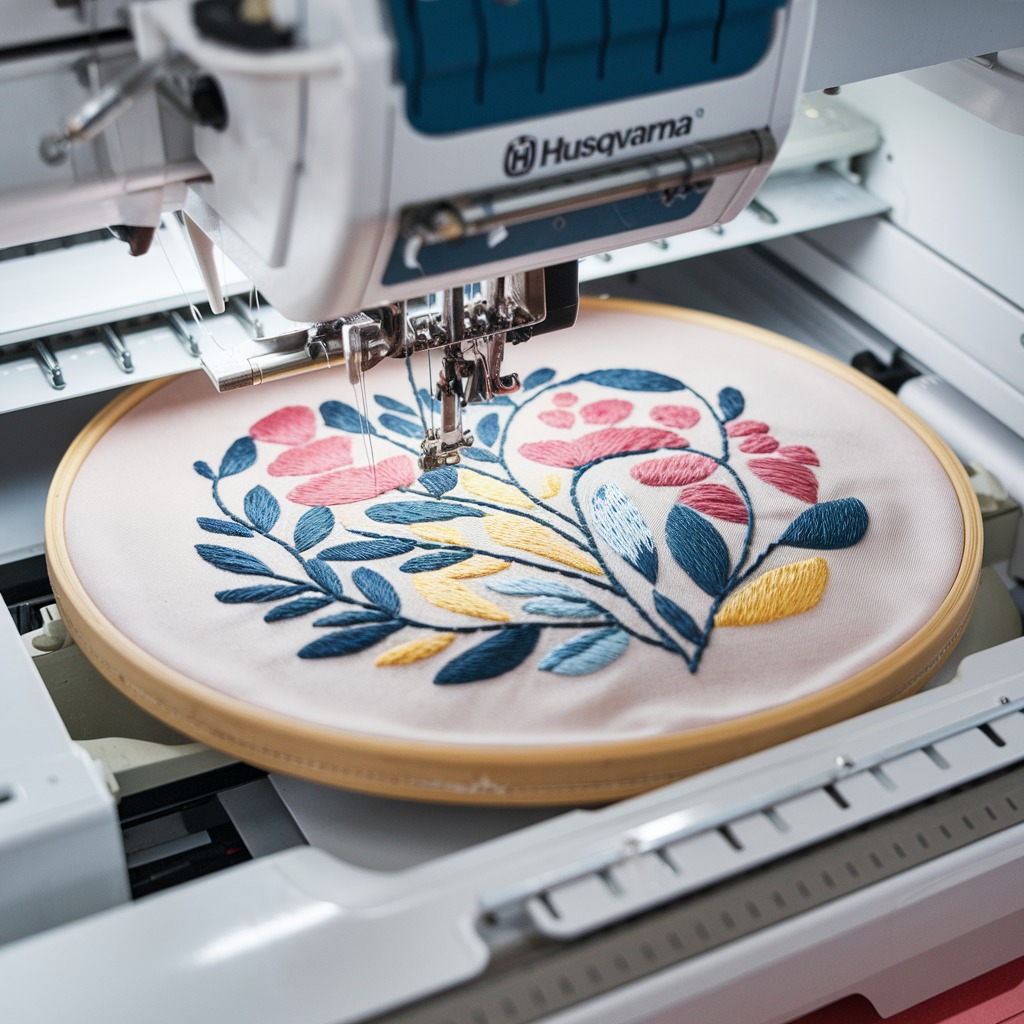
Husqvarna Embroidery Machine: Common Errors in Puckering or Distorted Embroidery Designs and Solutions
Embroidery enthusiasts using Husqvarna machines sometimes encounter puckering or distorted designs, which can be frustrating and compromise the quality of their work. These issues are usually caused by a variety of factors related to fabric tension, thread, or machine settings. In this blog, we’ll look at the common reasons behind puckering and distorted designs on Husqvarna embroidery machines, along with the solutions needed to address them.
Common Causes of Puckering or Distorted Embroidery Designs in Husqvarna Machines
- Improper Fabric Hooping
- Cause: Fabric that is not hooped tightly or evenly can shift during stitching, leading to puckering or distorted designs.
- Solution: Ensure the fabric is hooped firmly without overstretching. The fabric should be taut but not stretched out of shape. Double-check that the stabilizer is secure as well.
- Incorrect Stabilizer
- Cause: Using the wrong type or weight of stabilizer can result in insufficient support for the fabric during embroidery, leading to puckering.
- Solution: Choose the appropriate stabilizer for your fabric and design. Lightweight fabrics require a stronger stabilizer, while heavier fabrics may need a tear-away stabilizer. Always use a stabilizer that matches the fabric type and the complexity of your design.
- Thread Tension Issues
- Cause: Improper thread tension, whether too tight or too loose, is one of the most common causes of puckering in embroidery designs.
- Solution: Adjust the thread tension according to the fabric and design. You may need to lower the tension for delicate fabrics and increase it for thicker materials. Perform a test stitch to check the tension before starting on the actual project.
- Incompatible Fabric and Thread Combination
- Cause: Using incompatible thread types for certain fabrics can result in puckering or distorted stitches.
- Solution: Match your thread type with the fabric being used. For example, use polyester or rayon threads for lightweight fabrics and stronger threads like cotton for heavier materials.
- Machine Speed Too High
- Incorrect Needle Size
- Cause: Using a needle that is too large or too small for the fabric can create holes or cause puckering during embroidery.
- Solution: Use the correct needle size for your fabric. A larger needle is better for thicker fabrics, while a smaller, finer needle is recommended for lightweight or delicate materials. Ensure the needle is also sharp and in good condition.
- Fabric Shrinkage
- Cause: Some fabrics shrink when embroidered, causing puckering or distorted designs after washing.
- Solution: Pre-wash the fabric before embroidering to avoid shrinkage. This is especially important for natural fibers like cotton. Pre-shrinking ensures that the fabric will hold its shape after embroidery and washing.
- Design Density
- Cause: Overly dense embroidery designs can lead to puckering, as too many stitches in a small area put stress on the fabric.
- Solution: Adjust the design density if possible, or choose a design with less stitch density. Alternatively, use a stronger stabilizer to handle the additional stress on the fabric.
Solutions to Prevent Puckering and Distortion
- Test Stitching: Always run a test stitch on scrap fabric to assess how the fabric, thread, and stabilizer will perform together before starting your actual project.
- Use the Right Tools: Ensure that the needle, thread, stabilizer, and hoop are suitable for your specific project.
- Monitor Machine Settings: Regularly check your machine’s tension and speed settings to ensure they are optimized for your current project.
- Proper Hooping: Double-check the fabric and stabilizer to make sure they are securely hooped, ensuring no movement during stitching.
Conclusion
Puckering and distorted embroidery designs can be common issues when working with Husqvarna machines, but with the right adjustments and proper preparation, these problems are easily avoidable. From using the correct stabilizer to ensuring optimal thread tension and machine settings, paying attention to these key areas will help you achieve flawless, professional results in your embroidery projects.