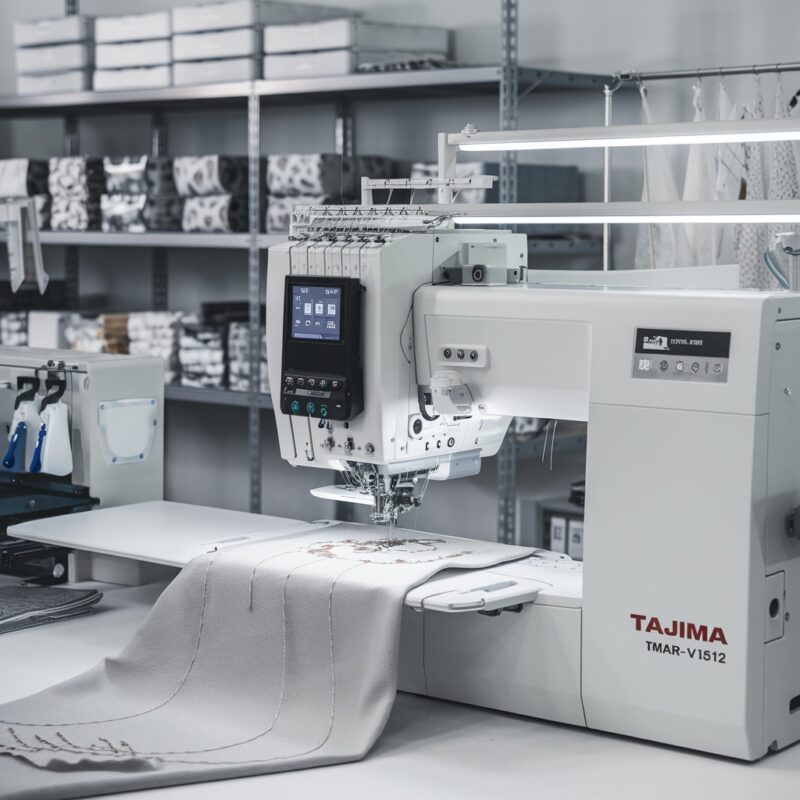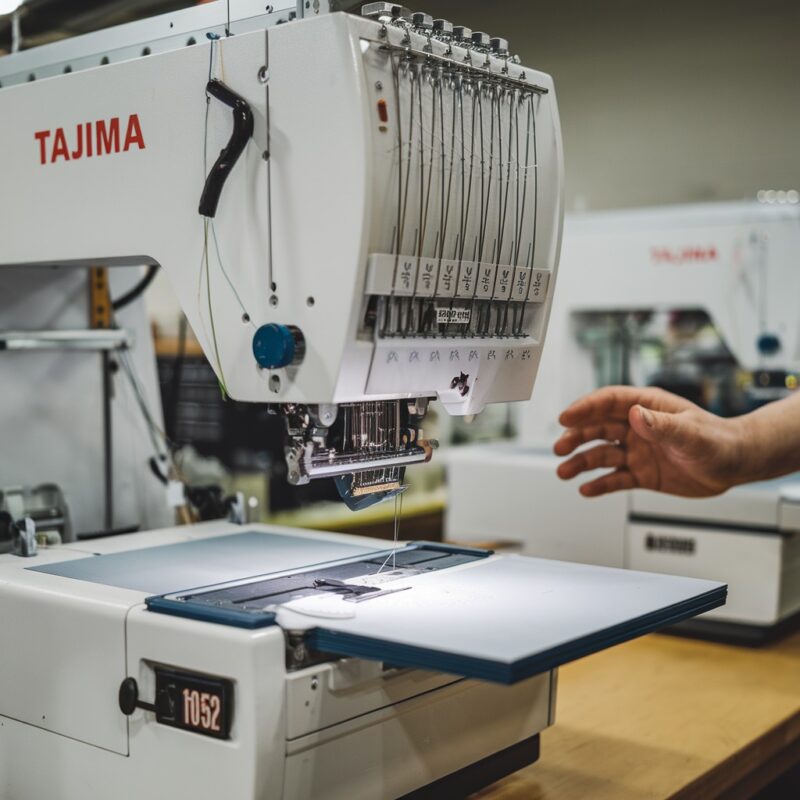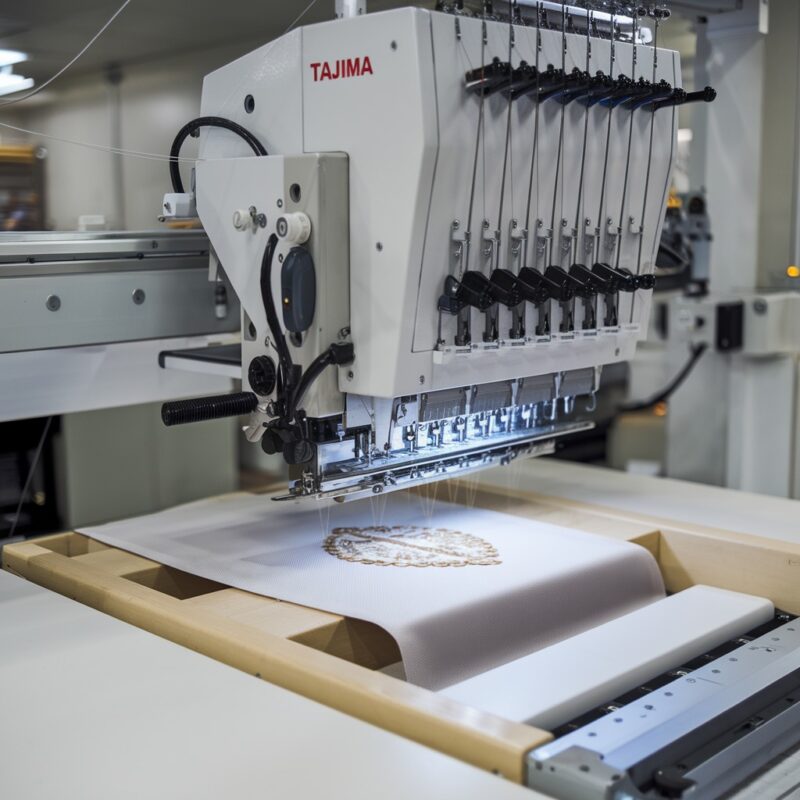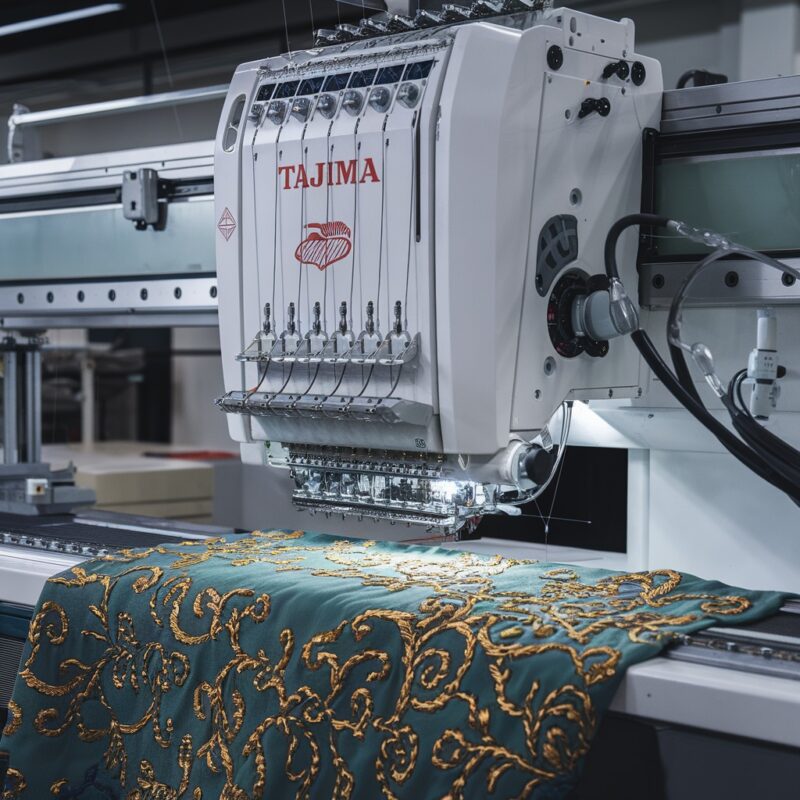
Needle Breaking Issues in Tajima TFMX-C Series Embroidery Machines: Common Causes and Solutions


Needle Breaking Issues in Tajima TFMX-C Series (High-Speed Single-Head) Embroidery Machines: Common Causes and Solutions
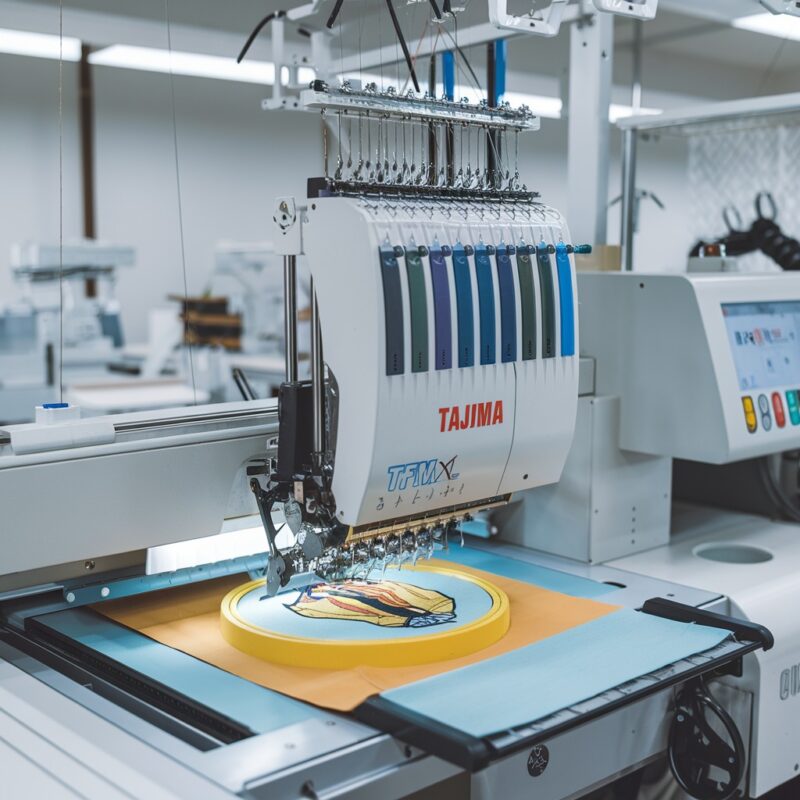
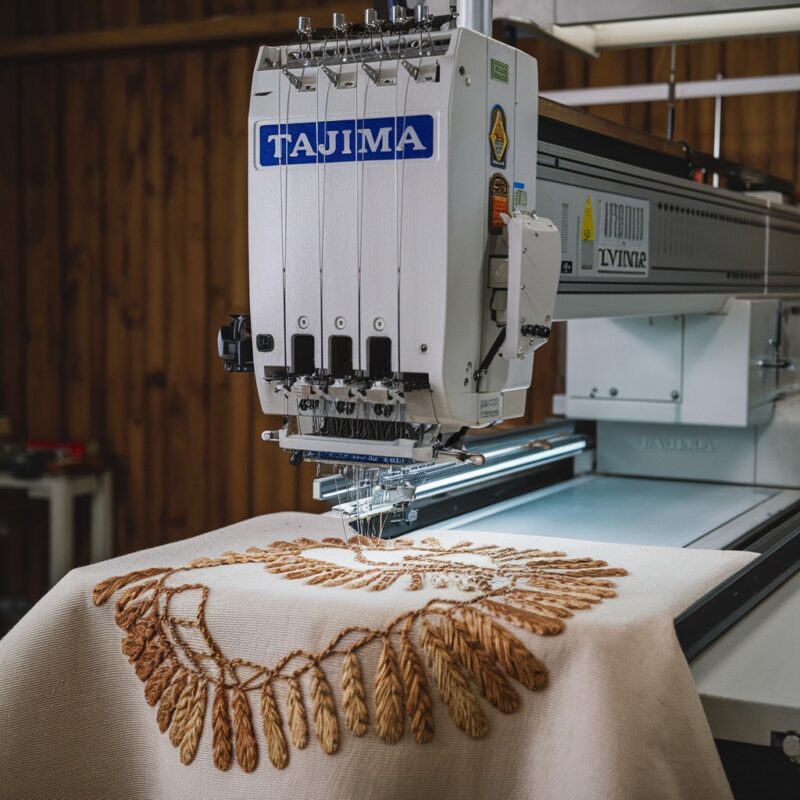
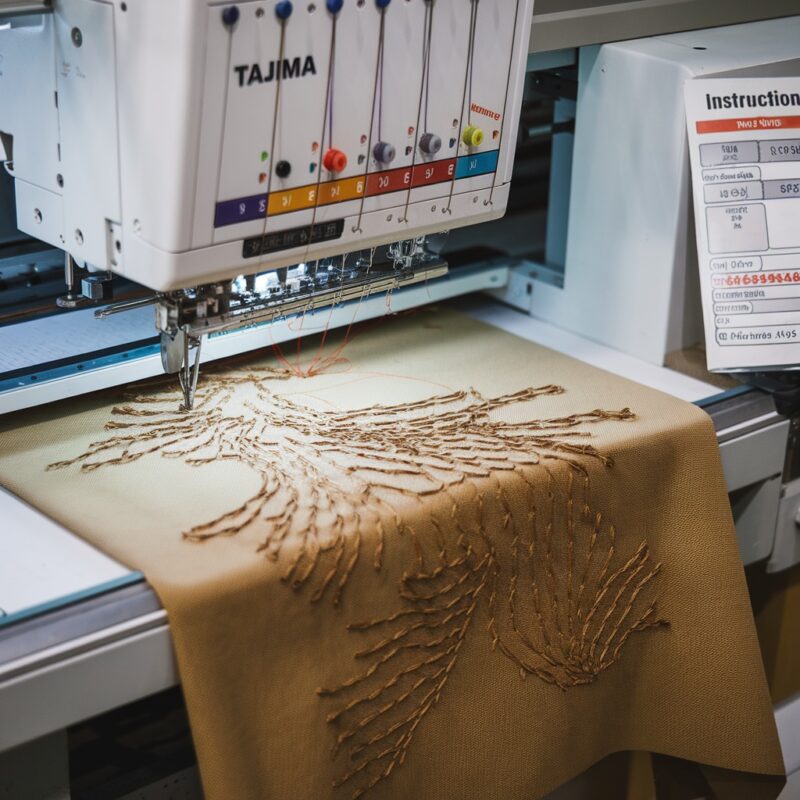
Needle breaking is a frequent challenge when operating high-speed embroidery machines like the Tajima TFMX-C Series. This issue not only disrupts workflow but can also affect the quality of your embroidery designs. Understanding the causes behind needle breakage and knowing how to address them can help ensure smooth operations and protect your machine from unnecessary wear and tear.
Common Causes of Needle Breaking
1. Incorrect Needle Type
Using the wrong needle type for your fabric or thread can lead to needle stress and breakage during high-speed embroidery.
Solutions:
- Match the needle size and type to your fabric and thread requirements.
- Use ballpoint needles for knit fabrics and sharp needles for woven fabrics.
2. Misaligned Needle
A poorly aligned needle can hit other machine components, such as the needle plate or presser foot, causing it to break.
Solutions:
- Ensure the needle is properly inserted and aligned in the needle bar.
- Regularly inspect the needle bar for proper positioning.
3. Worn or Damaged Needle
Needles naturally wear out over time, especially in high-speed operations. A damaged or bent needle can snap easily.
Solutions:
- Replace needles after every 8-10 hours of embroidery or sooner if you notice signs of wear.
- Avoid using bent or dull needles to prevent breakage.

4. Improper Hooping
Loose or incorrect hooping can cause the fabric to shift during embroidery, putting undue stress on the needle.
Solutions:
- Use the correct hoop size for your fabric and design.
- Ensure the fabric is taut and evenly hooped to prevent movement during stitching.
5. Incorrect Thread Tension
Excessive or inconsistent thread tension can pull the needle too hard, increasing the risk of breakage.
Solutions:
- Adjust the thread tension to suit your thread and fabric.
- Test stitch on scrap fabric to ensure proper tension before starting your project.
6. Needle Striking the Needle Plate
A needle hitting the needle plate is a common cause of breakage, often resulting from misalignment or improper settings.
Solutions:
- Check for burrs or damage on the needle plate and replace it if necessary.
- Align the needle properly to avoid contact with the plate.
7. Excessive Machine Speed
Running the machine at maximum speed for all projects can strain the needle, especially with thick fabrics or dense designs.
Solutions:
- Lower the machine speed for heavy-duty embroidery or intricate designs.
- Use high-quality needles designed to withstand high-speed operations.
8. Fabric Thickness or Layers
Thick fabrics or multiple layers can cause excessive resistance, leading to needle breakage.
Solutions:
- Use heavy-duty needles for thicker fabrics or layered projects.
- Adjust the machine settings to accommodate fabric thickness.
9. Thread Wrap Around the Needle
Thread tangling around the needle can increase stress and cause it to snap during embroidery.
Solutions:
- Check the thread path to ensure smooth feeding.
- Use high-quality threads to reduce tangling.
10. Presser Foot Height Misadjustment
The presser foot controls fabric movement. If it is too high or low, the needle may encounter resistance or strike the fabric unevenly, leading to breakage.
Solutions:
- Adjust the presser foot height to match the fabric thickness.
- Use the machine‘s settings to calibrate the presser foot properly, ensuring smooth fabric flow.
11. Poor Quality or Defective Thread
Low-quality thread can cause irregular tension, tangling, or snapping, which puts undue stress on the needle.
Solutions:
- Invest in high-quality embroidery thread to reduce resistance and thread breakage.
- Store threads in a dry environment to prevent weakening caused by humidity.
12. Improper Bobbin Setup
An incorrectly wound or inserted bobbin can create tension problems, causing the needle to break.
Solutions:
- Ensure the bobbin is wound evenly and fits snugly in the bobbin case.
- Check for lint buildup in the bobbin area and clean it regularly.
13. Dense Embroidery Designs
Extremely dense designs, especially with multiple overlapping layers, can cause the needle to encounter excessive resistance, leading to breakage.
Solutions:
- Adjust design density using embroidery software to reduce needle stress.
- Use needles designed for heavy-duty or dense embroidery projects.
14. Fabric Movement During Stitching
Any shift in the fabric while stitching can deflect the needle, causing it to hit unintended areas and break.
Solutions:
- Secure the fabric with proper stabilizers to reduce movement.
- Check the machine‘s feed dogs and hooping mechanism for smooth operation.
15. Needle Striking Hoop
Improper hoop placement or loose hoops can cause the needle to strike the hoop during operation, leading to breakage.
Solutions:
- Double-check that the hoop is securely fastened before starting.
- Use the correct hoop size and ensure it is compatible with the fabric and design.
16. Environmental Factors
Humidity or temperature fluctuations can affect thread tension, causing irregular stitching and stress on the needle.
Solutions:
- Keep your embroidery machine in a controlled environment with moderate temperature and humidity.
- Store threads and fabrics in a cool, dry place to maintain their quality.
Advanced Preventive Maintenance
- Inspect the Machine Regularly: Perform periodic inspections of the needle bar, needle plate, and presser foot to ensure there are no signs of wear or misalignment.
- Calibrate Tension Systems: Test and adjust both upper and lower thread tension periodically to ensure smooth operation.
- Upgrade Your Needles: For high-speed operations, invest in titanium-coated needles that are more durable and resistant to heat generated by friction.
- Monitor Operator Habits: Train operators to follow best practices, such as avoiding forcing the machine when resistance is felt and stopping immediately to troubleshoot.
Conclusion
Preventing needle breaking in Tajima TFMX-C Series (High-Speed Single-Head) machines requires attention to detail, regular maintenance, and the use of quality materials. By addressing factors such as tension, alignment, fabric movement, and environmental conditions, you can minimize downtime and maintain excellent stitch quality.
Through these comprehensive solutions, your Tajima embroidery machine will deliver consistent, high-quality results, ensuring that your projects remain on schedule and meet your quality standards.