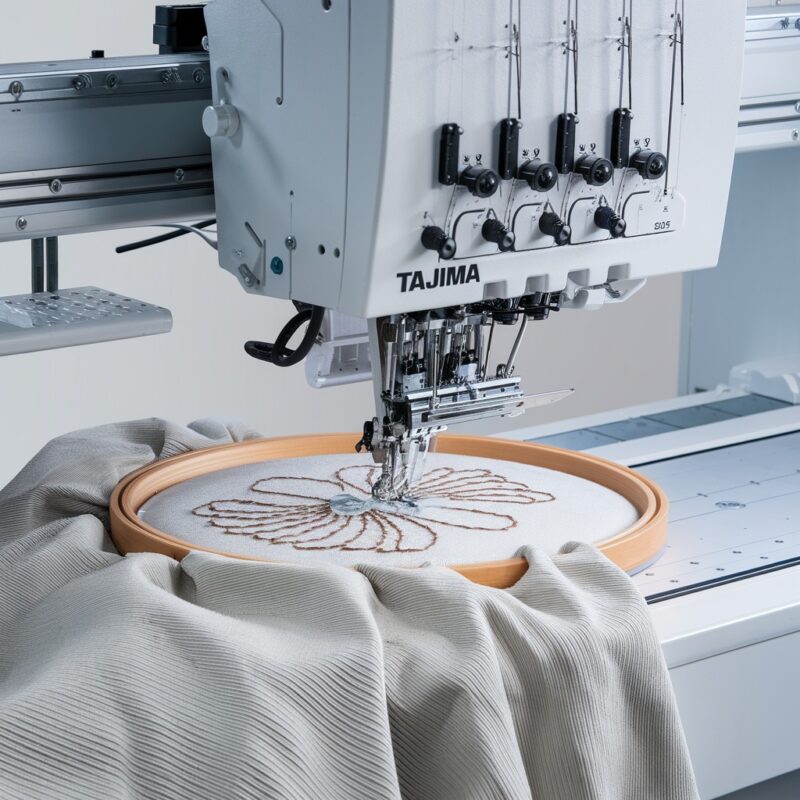
Bird’s Nesting Errors and Solutions for Tajima TMBP-SC Series


Bird’s Nesting (Thread Jamming Under Fabric): Common Errors and Solutions for Tajima TMBP-SC Series
Bird’s nesting occurs when thread bunches up under the fabric during embroidery, forming a tangled mess that can halt your project and damage both the machine and material. The Tajima TMBP-SC Series single-head compact embroidery machines are efficient and precise, but bird nesting is a common issue that can disrupt their performance. Understanding the causes of thread jamming and how to fix it can help you avoid costly downtime and keep your embroidery running smoothly.
Let’s explore the common reasons for birds nesting in Tajima TMBP-SC machines and the solutions to prevent it.

1. Incorrect Thread Tension
Thread tension plays a crucial role in forming even stitches. If the upper thread or bobbin tension is too loose, it can result in excess thread forming under the fabric, leading to bird nesting.
Solution:
- Check both the upper thread and bobbin tension settings. The upper thread tension should be tight enough to form neat stitches without pulling the fabric, and the bobbin tension should be balanced. Adjust the tension settings gradually, testing on scrap fabric to ensure the tension is correct for the fabric and thread being used.
2. Improper Threading
Bird nesting can occur when the machine is not threaded correctly. If the upper thread is not properly placed through the tension discs or guides, it can lead to the excessive thread being released, resulting in a jam underneath the fabric.
Solution:
- Re-thread the machine carefully, following the manufacturer’s threading instructions. Pay close attention to ensure the thread passes through all tension discs, thread guides, and the needle. A simple re-threading can often resolve bird’s nesting issues.
3. Bobbin Case Issues
Bird’s nesting is often caused by problems with the bobbin, such as an improperly wound bobbin, incorrect placement in the bobbin case, or a bobbin case that is not properly inserted.
Solution:
- Ensure the bobbin is wound evenly and placed correctly in the bobbin case. The bobbin should unwind smoothly in the correct direction (usually counterclockwise) without resistance. Also, check that the bobbin case is securely inserted into the machine, as a loose or misaligned bobbin case can lead to thread jams.
4. Fabric Not Properly Hooped
If the fabric is too loose or improperly hooped, it can cause shifting during embroidery, leading to bird’s nesting. Loose fabric makes it difficult for the machine to form tight stitches, causing thread buildup underneath.
Solution:
- Always hoop the fabric tightly and evenly. The fabric should be taut, with no wrinkles or slack. Proper hooping ensures that the fabric stays in place while stitching, reducing the likelihood of thread jams.
5. Using the Wrong Needle
A bent, dull, or incorrect needle for the fabric can contribute to a bird’s nesting. If the needle is not piercing the fabric cleanly, it can cause the upper thread to catch or tangle, leading to a thread jam.
Solution:
- Inspect the needle for signs of wear or bending, and replace it if necessary. Ensure that the needle size and type are appropriate for the fabric and thread being used. Using the correct needle ensures smooth stitching and prevents thread buildup under the fabric.
6. Thread Tension Discs Not Cleaned Regularly
Dirt, lint, or thread debris in the tension discs can interfere with proper thread tension, causing loose threads and bird nesting. Over time, tension discs can accumulate dust or small fibers from thread, which can affect their function.
Solution:
- Clean the tension discs regularly to remove any buildup. You can do this by using a lint-free cloth or compressed air to blow out any dust or debris. Regular maintenance of the tension discs will help maintain consistent tension and reduce the risk of thread jamming.
7. Sewing Over Thick Seams or Layers
Sewing over thick seams, layers, or dense designs can cause the needle to struggle, leading to bird’s nesting as the machine fails to pull the upper and bobbin threads through smoothly.
Solution:
- Slow down the machine speed when sewing over thick seams or multiple layers. Using a stronger needle and adjusting the tension slightly for thicker materials can also help prevent thread buildup under the fabric.
8. Improper Stabilizer Use
Bird’s nesting can occur when an insufficient or incorrect stabilizer is used, especially with stretchy or delicate fabrics. Without a stabilizer, the fabric may bunch up, causing thread jams underneath.
Solution:
- Use the appropriate stabilizer for your fabric type. For stretchy fabrics, a cut-away or fusible stabilizer can help provide the support needed to keep the fabric stable during embroidery. For lighter fabrics, a tear-away stabilizer may be sufficient. Ensure the stabilizer is hooped tightly along with the fabric for the best results.
9. Bobbin Thread Not Feeding Smoothly
If the bobbin thread is not feeding smoothly, whether due to tangling, an unevenly wound bobbin, or a faulty bobbin case, it can cause the upper and lower threads to jam under the fabric.
Solution:
- Check the bobbin for any tangles or uneven winding. Rewind the bobbin if necessary, ensuring it is evenly wound and feeds smoothly from the bobbin case. Also, check the bobbin case for damage or debris that could interfere with the thread feed.
10. Machine Not Properly Maintained
General wear and tear, combined with lack of maintenance, can lead to issues like bird nesting. Dust, lint, and thread buildup inside the machine can affect its performance, causing tension problems and thread jams.
Solution:
- Regularly clean and maintain your Tajima TMBP-SC machine. This includes cleaning the bobbin area, tension discs, and needle bar, as well as oiling the machine as recommended by the manufacturer. Routine maintenance helps prevent thread jams and keeps the machine running efficiently.
11. Overloaded Bobbin Case
Bird nesting can also occur if the bobbin case is overloaded with too much thread. When too much thread is packed into the bobbin case, it can cause uneven feeding and thread jams beneath the fabric, creating tangles and affecting stitch quality.
Solution:
- Avoid overfilling the bobbin. Make sure the bobbin is wound with the correct amount of thread and that it fits comfortably in the bobbin case. If you notice excess thread coming from the bobbin area, replace the bobbin with one that is wound correctly and fits securely.
12. Thread Caught in Bobbin Area
Sometimes, stray thread or lint can get caught in the bobbin area, causing obstruction and leading to bird’s nesting. This is a common issue if the machine is not cleaned regularly or if the bobbin thread is cut unevenly, leaving small thread tails that can get caught.
Solution:
- Clean the bobbin case and area regularly. Remove any loose thread tails, lint, or debris that could interfere with the smooth operation of the bobbin. A clean bobbin area reduces the chances of thread jams and ensures better stitching performance.
13. Poor Quality Thread
Using poor-quality threads can cause numerous issues, including bird nesting. Cheap or old thread often frays, breaks, or gets tangled, creating a mess of thread buildup underneath the fabric. Low-quality threads also tend to leave more lint and debris in the machine, worsening the problem.
Solution:
- Invest in high-quality embroidery thread. Choose threads that are specifically designed for embroidery machines, as they are less likely to break or fray. Additionally, regularly clean the thread path to prevent lint buildup from affecting the stitching.
14. Bent or Damaged Needle Plate
A bent or damaged needle plate can obstruct the needle’s path, causing thread jams or bird nesting. The needle plate may become bent if the needle hits the plate during sewing, leading to misalignment and difficulty forming stitches correctly.
Solution:
- Inspect the needle plate for any signs of bending or damage. If the needle plate is bent, replace it with a new one. A smooth, undamaged needle plate ensures that the needle and thread can move freely, reducing the risk of bird nesting.
15. Loose Needle Clamp
If the needle is not secured tightly in the needle clamp, it can cause improper stitching, leading to birds nesting under the fabric. A loose needle can wobble during embroidery, causing tension issues and resulting in thread jams.
Solution:
- Ensure the needle is properly installed and tightly secured in the needle clamp. Double-check the clamp to make sure it’s tight but not overly tightened, as overtightening could cause damage. A secure needle will move smoothly and form even stitches without causing thread bunching.
16. Bobbin Tension Screw Needs Adjustment
The bobbin tension screw controls the amount of thread released from the bobbin case. If it is set too loosely, the bobbin will release too much thread, which can accumulate underneath the fabric, resulting in a bird’s nesting.
Solution:
- Adjust the bobbin tension screw using a small screwdriver. Turn the screw slightly to increase the tension and prevent too much thread from being released. Make sure to make small adjustments and test the tension on a piece of scrap fabric to ensure proper stitch formation.
17. Hooping Stabilizer Incorrectly
Improper stabilizer placement or hooping can cause the fabric to shift or bunch up during embroidery, leading to thread jams. If the stabilizer is not hooped tightly with the fabric, it may fail to provide the necessary support, allowing the fabric to move, causing bird nesting.
Solution:
- Hoop the stabilizer and fabric together securely. Ensure both are tightly stretched in the hoop without wrinkles or slack. This will keep the fabric and stabilizer stable during stitching, reducing the chances of thread tangling underneath.
18. Bobbin Thread Type Mismatch
Bird’s nesting can also be caused by using the wrong type of bobbin thread for your project. If the bobbin thread is too thick or doesn’t match the tension settings of the upper thread, it can cause the threads to bunch up and jam under the fabric.
Solution:
- Use a compatible bobbin thread that works well with the upper thread. Check your machine manual for the recommended bobbin thread types and weights for your embroidery projects. Matching the bobbin thread with the upper thread in terms of weight and tension ensures smooth stitching.
19. The Tension Dial is Not Calibrated
Bird’s nesting can sometimes be caused by a tension dial that is out of calibration or accidentally knocked out of place. If the tension settings are not properly calibrated for the fabric and thread type, it can cause the upper thread to slacken, leading to thread jams.
Solution:
- Check and recalibrate the tension settings. Reset the tension dial according to the machine’s manual instructions, ensuring the upper thread tension is balanced with the bobbin tension. Test different settings on scrap fabric to fine-tune the tension for the best results.
20. Incorrect Thread Cone Placement
If the thread cone is placed improperly on the spool holder, it may not unwind evenly, which can cause thread tangles or uneven feeding. This uneven feeding may lead to the bird’s nesting under the fabric as the machine struggles to pull the thread correctly.
Solution:
- Ensure that the thread cone is correctly positioned on the spool holder and that the thread unwinds smoothly. You can also use a thread net or spool stand to help the thread feed more consistently. Proper thread cone placement reduces tension fluctuations, preventing bird’s nesting.
Conclusion
Bird’s nesting, or thread jamming under the fabric, is a frustrating issue that can slow down your embroidery projects on the Tajima TMBP-SC Series. By addressing issues such as tension settings, correct threading, proper needle usage, and regular maintenance, you can prevent thread jams and enjoy smoother stitching. Remember to use high-quality threads, check the bobbin regularly, and ensure that the fabric and stabilizer are hooped tightly. With these troubleshooting tips, you can reduce bird nesting and keep your machine running efficiently for high-quality embroidery results.