Troubleshooting Uneven Design Across Heads in Tajima TMAR-V1512 Series

Troubleshooting Uneven Design Across Heads in Tajima TMAR-V1512 Series
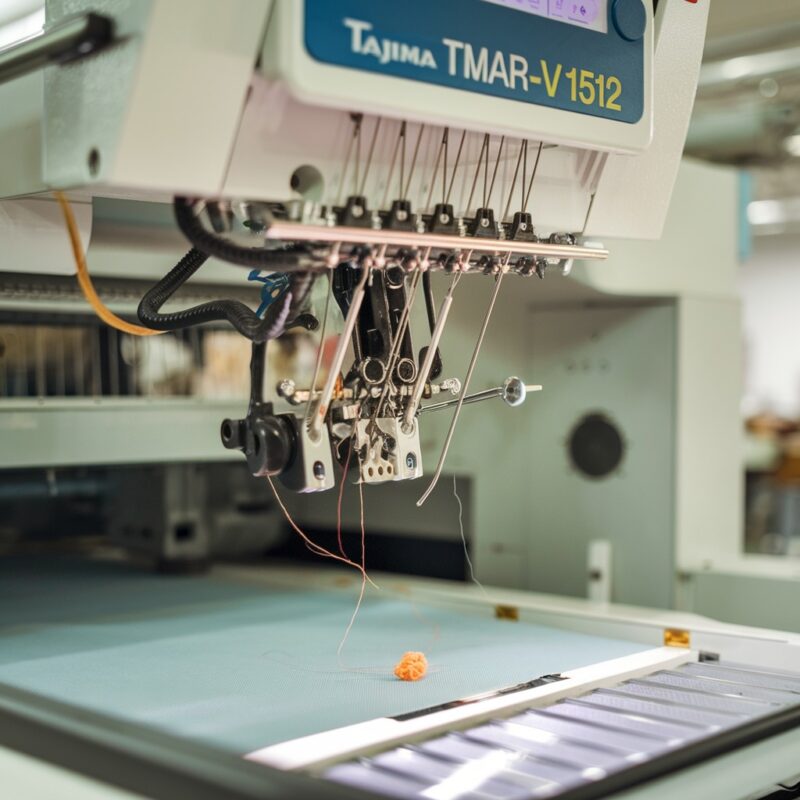
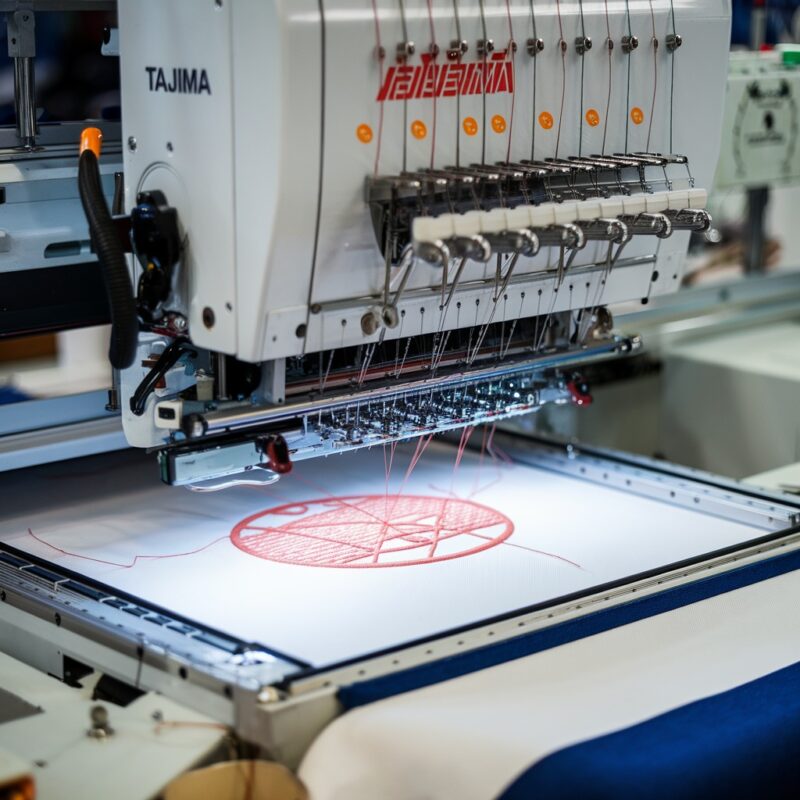
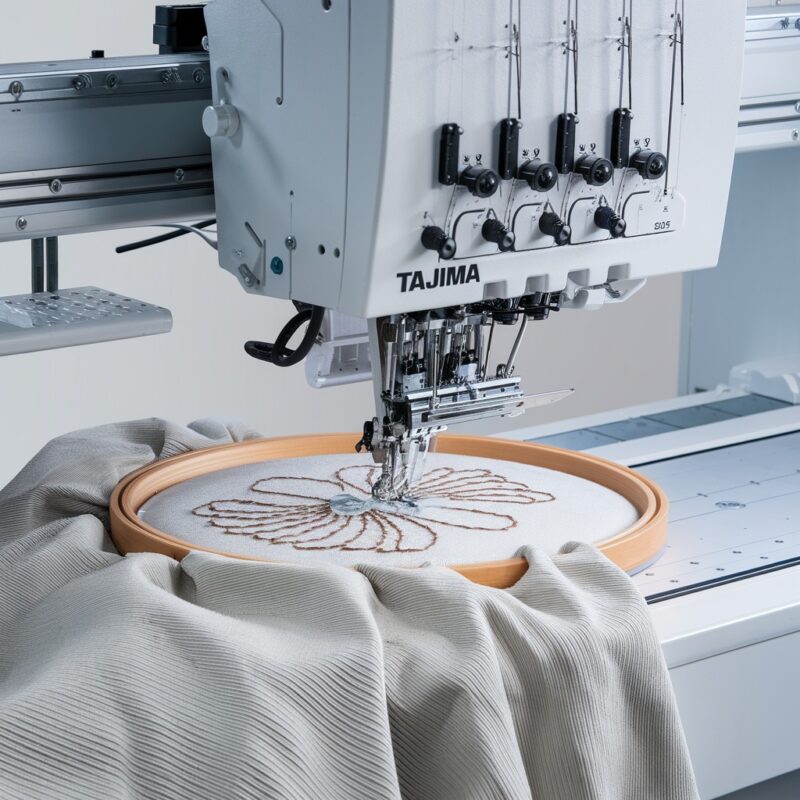
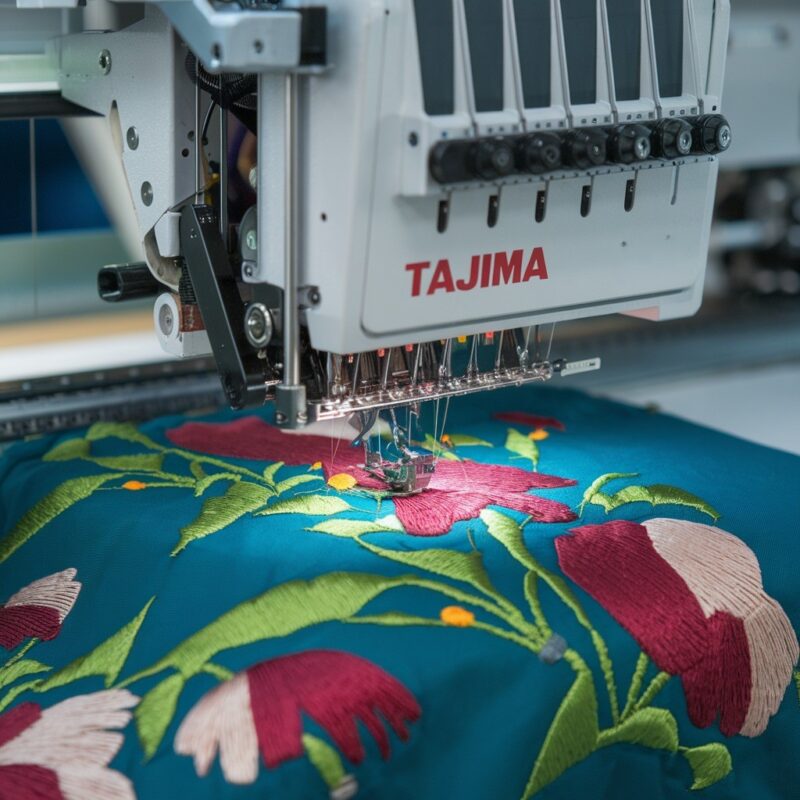
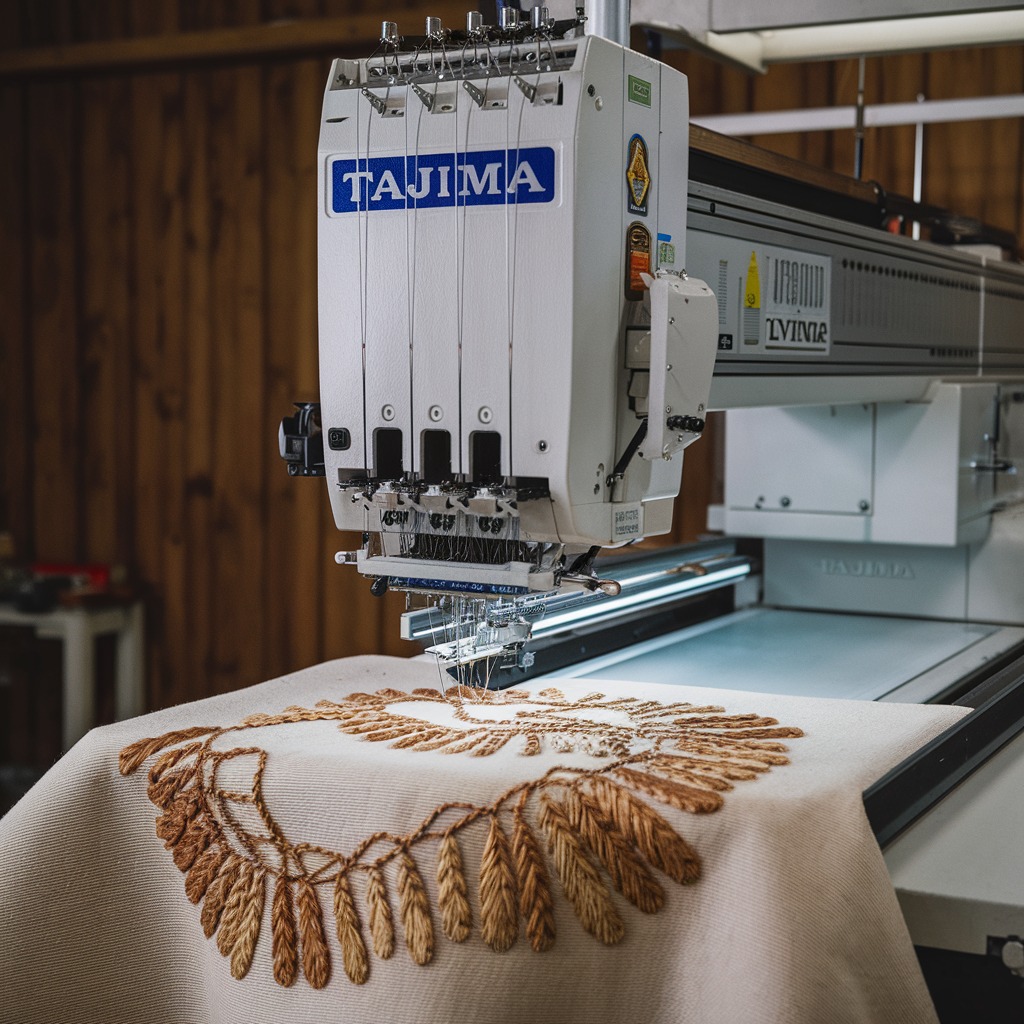
The Tajima TMAR-V1512 Series, known for its multi-head capabilities and digitally controlled presser foot, is a powerhouse for embroidery production. However, uneven design issues across heads can sometimes occur, affecting the consistency and quality of the final product. This blog explores common causes of uneven designs and provides practical solutions to keep your embroidery flawless.
Common Causes of Uneven Design Across Heads
1. Improper Head Calibration
Uneven calibration between heads can lead to variations in stitch placement, causing inconsistent embroidery results.

Solution:
- Regular calibration of all embroidery heads is performed to ensure synchronized operation.
- Use the machine‘s built-in alignment tools to verify the positioning.
2. Variations in Tension Settings
Inconsistent thread or bobbin tension across heads can affect stitch formation, leading to uneven designs.
Solution:
- Adjust and test the tension settings on each head individually.
- Use a tension gauge to measure and standardize settings for all heads.
3. Needle and Thread Inconsistencies
Using different needle types, sizes, or thread brands across heads can create design irregularities.
Solution:
- Ensure all heads are equipped with the same needle size and type suitable for the fabric and design.
- Use threads from the same batch to maintain uniformity in color and texture.
4. Variations in Presser Foot Pressure
The TMAR-V1512’s digitally controlled presser foot allows for precise adjustments, but improper settings can lead to uneven embroidery.
Solution:
- Calibrate the presser foot pressure for each head based on the fabric’s thickness and texture.
- Use the digital controls to apply uniform settings across all heads.
5. Misaligned Hoop Placement
If the hoops are not properly aligned, the fabric can shift during embroidery, causing discrepancies in design placement.
Solution:
- Double-check hoop alignment and ensure the fabric is taut without distortion.
- Use the machine’s alignment guides to verify proper hoop placement.
6. Machine Speed Settings
Running the machine at different speeds across heads can lead to variations in stitch execution.
Solution:
- Maintain consistent speed settings across all heads.
- Reduce the speed for complex or dense designs to ensure accurate stitching.
7. Fabric Stretch or Slack
Stretching or slack in the fabric during embroidery can cause misalignment and uneven designs across heads.
Solution:
- Use high-quality stabilizers to provide a firm base for the fabric.
- Ensure the fabric is evenly hooped, without stretching or sagging, before starting the embroidery process.
8. Thread Quality Variations
Subtle differences in thread quality, thickness, or dye lot can lead to inconsistent embroidery output.
Solution:
- Purchase threads in bulk from the same manufacturer and lot to maintain uniformity.
- Regularly inspect threads for knots, frays, or inconsistencies before use.
9. Bobbin Case and Tension Differences
Bobbin case issues, such as worn-out cases or tension variations, can disrupt stitch consistency between heads.
Solution:
- Replace bobbin cases that show signs of wear or damage.
- Standardize bobbin tension using a bobbin tension gauge.
10. Worn or Misaligned Belts and Gears
The belts and gears controlling the movement of the embroidery heads may wear down over time, causing discrepancies in head synchronization.
Solution:
- Conduct regular inspections of belts and gears for wear and tear.
- Replace worn components promptly to prevent further issues.
- Lubricate moving parts as recommended in the machine’s user manual to ensure smooth operation.
11. Inconsistent Digitizing Practices
The embroidery design file itself may contain discrepancies, leading to uneven stitching across heads.
Solution:
- Use professional digitizing software to ensure designs are optimized for multi-head embroidery.
- Verify that the design is compatible with the TMAR-V1512’s capabilities and all heads.
12. Environmental Factors
Temperature and humidity changes in the workspace can affect thread and fabric behavior, causing design variations.
Solution:
- Maintain a controlled environment with consistent temperature and humidity levels.
- Store threads and fabrics in climate-controlled conditions to prevent shrinkage or expansion.
13. Lack of Synchronization During Complex Patterns
Complex or dense patterns may result in timing issues between heads, leading to uneven designs.
Solution:
- Slow down the machine speed for intricate patterns to ensure all heads work in sync.
- Conduct test runs of the design and make adjustments before full-scale production.
Tips for Enhancing Consistency Across Heads
- Use High-Quality Materials: Invest in premium threads, needles, and stabilizers to reduce errors.
- Monitor Head Performance: Regularly inspect and test each head for wear or alignment issues.
- Clean the Machine Frequently: Dust, lint, and debris can hinder performance. Clean the heads and threading paths regularly.
- Seek Expert Support: If issues persist, consult a technician experienced with Tajima machines to diagnose and resolve the problem.
Maximizing the TMAR-V1512’s Advanced Features
The TMAR-V1512’s digitally controlled presser foot is a significant advantage. Use this feature to adapt precisely to different fabric types and adjust settings for optimal performance. Paired with regular maintenance and monitoring, this technology can significantly reduce uneven design issues.
Conclusion
Uneven design across heads in the Tajima TMAR-V1512 Series can disrupt productivity and quality. By addressing mechanical issues, ensuring consistent materials, and leveraging the machine’s advanced features, you can minimize errors and achieve stunning, uniform embroidery results. Prioritize routine care and calibration to maintain your machine‘s peak performance, ensuring every project reflects your craftsmanship.