Causes of Thread Jamming on the Tajima TFMX-C Series

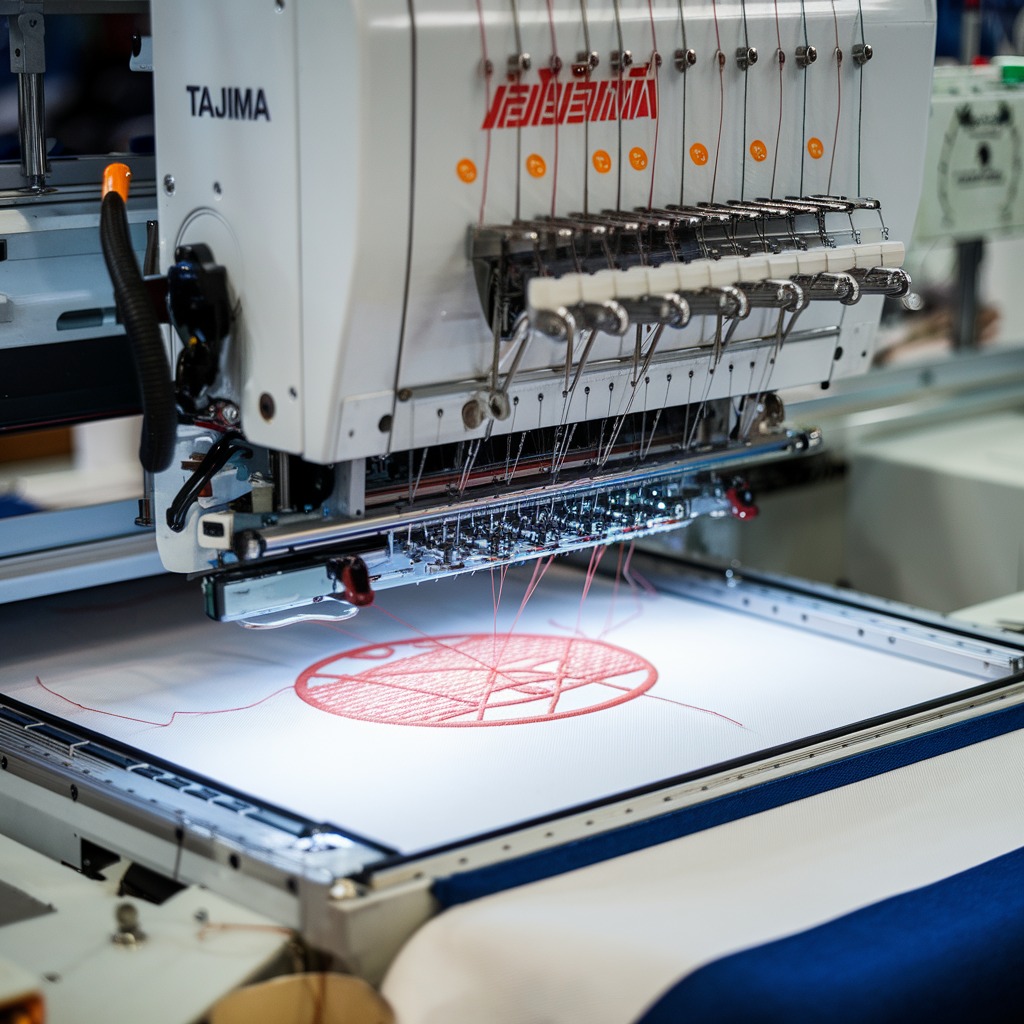
Causes of Thread Jamming (Bird’s Nesting) under fabric on the Tajima TFMX-C Series
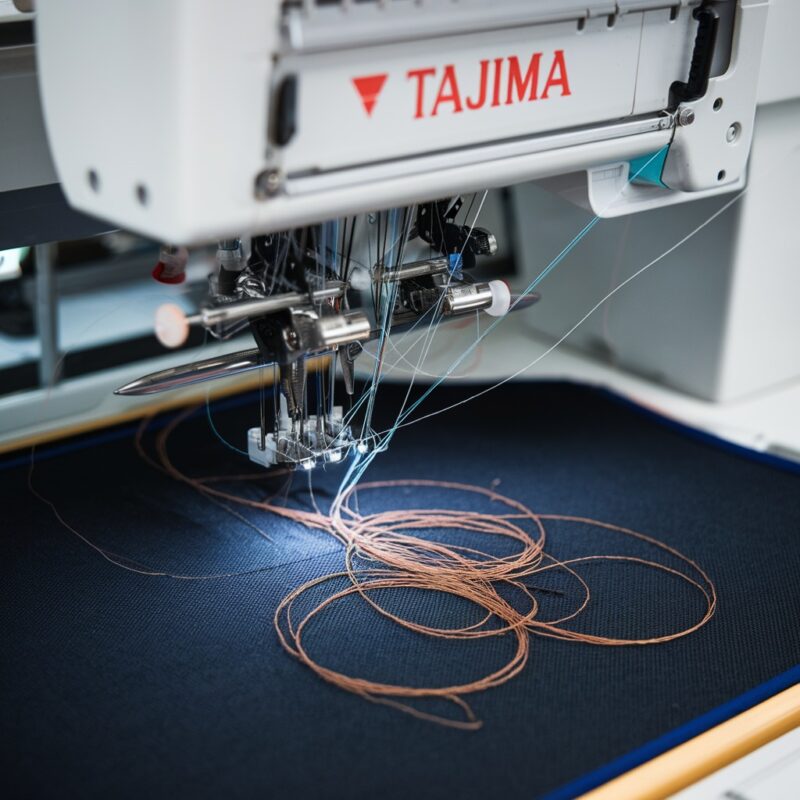
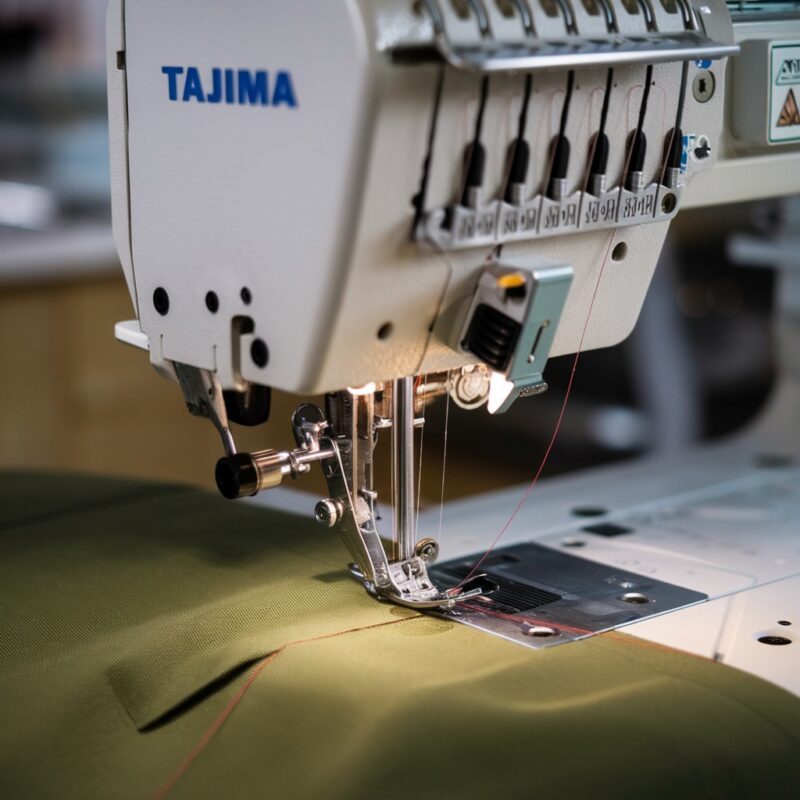
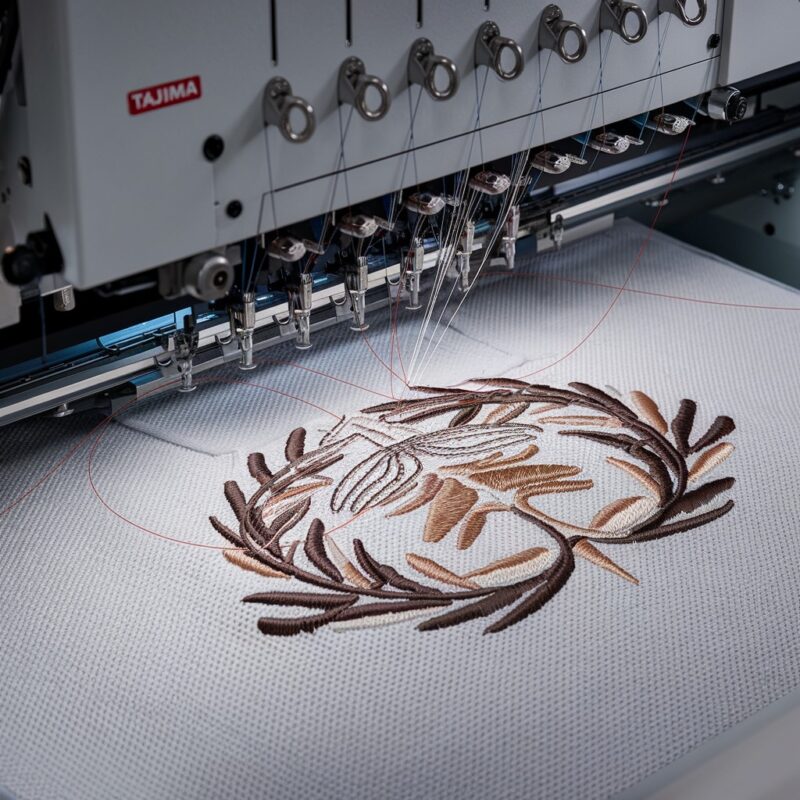
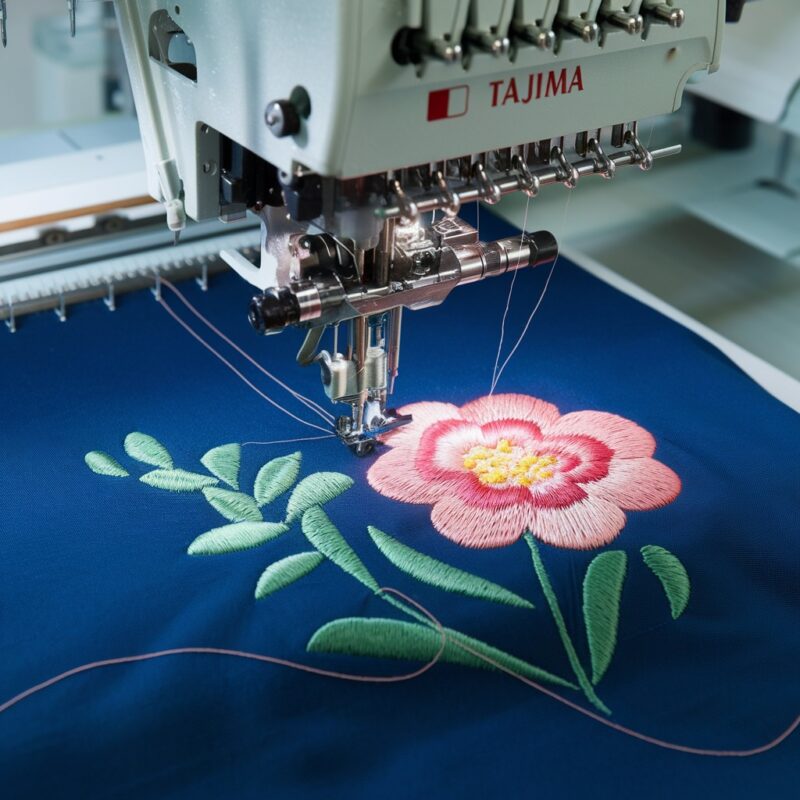
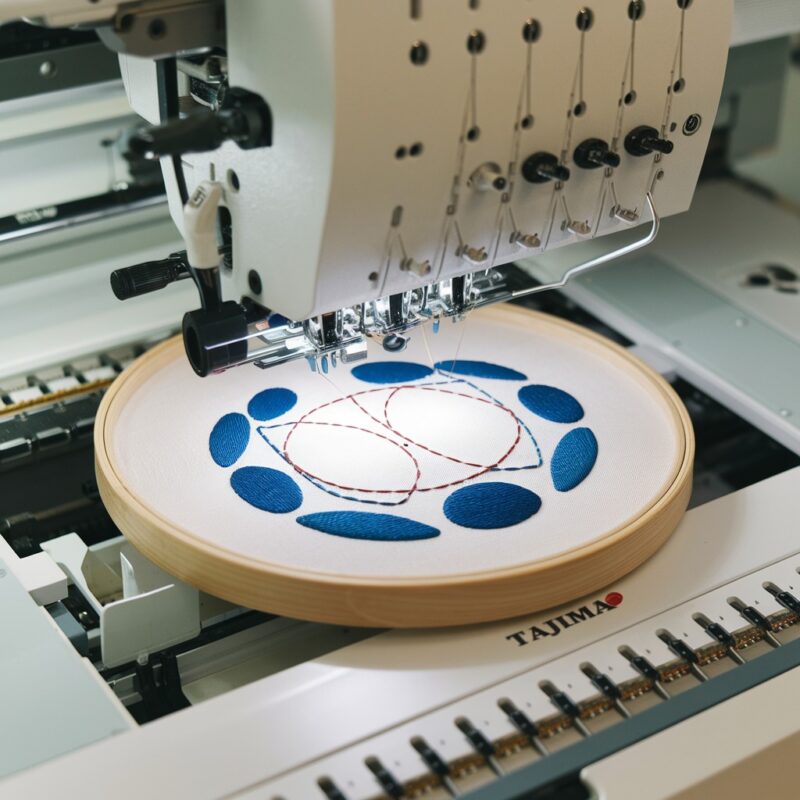
Thread jamming, often called bird’s nesting, is a common issue faced during embroidery. This happens when excess thread accumulates beneath the fabric, resulting in a tangled mess that can halt the machine and damage your design. The Tajima TFMX-C Series, known for its high-speed capabilities, may encounter this issue due to various factors, from incorrect settings to maintenance lapses. Here’s how to troubleshoot and resolve these errors effectively.
Causes and Solutions for Thread Jamming
1. Incorrect Thread Tension
Imbalanced thread tension is a leading cause of bird nesting. Loose upper thread tension allows the thread to pile up under the fabric.
Solution:
- Check and adjust the upper thread tension. The thread should flow smoothly without being too tight or too loose.
- Use test stitches to ensure proper tension balance.
2. Improper Threading
If the thread isn’t correctly seated in the tension discs or guides, it can lead to uneven feeding and jamming.
Solution:
- Rethread the machine carefully, following the manufacturer’s threading guide.
- Inspect the thread path for any obstructions or incorrect placements.
3. Poorly Wound Bobbin
A bobbin wound unevenly or with incorrect tension can cause thread build-up under the fabric.
Solution:
- Rewind the bobbin using the machine’s bobbin winder to ensure even tension and winding.
- Avoid using pre-wound bobbins of inferior quality.
PROMOTIONAL SECTION
The All-in-One Solution For All Your Embroidery Business!
Enjoy $0.90 / 1000 Stitches Logo Digitizing
Monthly Cash Back, Free Delivery on Store-wide Products, Dedicated Account Manager, Exclusive Client Dashboard Panel, Bonus Credit & much more.
SIGN UP TODAY & GET FIRST 3 ORDER ABSOLUTELY FREE

Unlock game-changing benefits: expert digitizing services, technical embroidery guidance, seamless management of your business essentials, and free delivery on storewide products—all just for signing up with us. Don’t let these exclusive perks pass you by!

No Credit Card Required
Stay secure with no need to share your credit or debit card details! Experience 100% safe payment methods, including the option to purchase credits for your future orders. Plus, enjoy free credit as a bonus with every credit purchase and more exclusive benefits.

A Game-Changing Advantage
Imagine having a dedicated account manager by your side, ready to handle all your embroidery needs with precision and care. Whether it’s managing your digitizing orders, delivering essential embroidery supplies based on your every embroidery order, or sourcing those hard-to-find spare parts like motors, circuit boards, or sensors, we’ve got you covered. This incredible service ensures your business runs seamlessly, all at no extra cost or monthly fee.
It’s not just support—it’s the ultimate embroidery partnership you didn’t know you were missing for a $0 charge!
Exclusive Client Dashboard Panel
Get Free Account Setup (T&C Applied) and enjoy exclusive benefits: unlimited free estimate requests, streamlined order management, complimentary edit requests, 24/7 access to our ticket system, fast 6-12 hour turnaround times, round-the-clock email and live chat support, and 1-year free design file backup and more.

Recurring Monthly Cashback
Experience out of the box services with Cashback on monthly basis along with discount vouchers on Shop for Registered customers up to 60% on supplies, accessories, spare parts & sensors & Circuit boards and add extra value to your embroidery business.

Free Delivery on all Shop Products
Enjoy free delivery on embroidery supplies, accessories, spare parts, sensors & circuit boards, and store-products, delivered straight to your doorstep! Unlock this exclusive benefits by registering with us for all your digitizing needs. (Embroidery Machine Not Included)
4. Needle and Thread Incompatibility
Using the wrong needle size or type for your thread can cause looping and tangling.
Solution:
- Match the needle size to the thread thickness and fabric type.
- Replace worn or bent needles immediately to maintain stitch precision.
5. Fabric Not Properly Hooped
Loose or unevenly hooped fabric can shift during stitching, causing the thread to jam.
Solution:
- Ensure the fabric is taut and properly secured in the hoop.
- Avoid stretching the fabric excessively, as this can distort the design.
6. Lint and Dirt Build-Up
Thread residues and lint in the bobbin area or thread path can interfere with smooth thread movement.
Solution:
- Clean the bobbin case, tension discs, and thread guides regularly to remove lint and debris.
- Use compressed air or a soft brush to maintain cleanliness.
7. Machine Speed Too High
While the TFMX-C is designed for high-speed embroidery, operating at full speed constantly can increase thread tension issues.
Solution:
- Lower the machine speed for intricate or dense designs.
- Gradually increase the speed once stability is confirmed.
8. Use the Correct Stabilizer
The choice of stabilizer can greatly influence the performance of your Tajima TFMX-C Series embroidery machine. A stabilizer that’s too thin or unsuitable for the fabric can result in puckering and thread tangling underneath.
Solution:
- Match the stabilizer type (tear-away, cut-away, or wash-away) with the fabric and embroidery design.
- Ensure the stabilizer is properly adhered or hooped with the fabric to avoid movement during stitching.
9. Avoid Over-Tightening the Bobbin Tension
Excessive bobbin tension can cause uneven thread feeding, leading to thread jams.
Solution:
- Test the bobbin tension by gently pulling the thread. It should move smoothly with light resistance.
- Use a bobbin tension gauge for precise adjustments.
10. Inspect the Thread Quality
Low-quality or old threads can fray, break, or tangle, causing jams under the fabric.
Solution:
- Use high-quality, lint-free threads designed for high-speed embroidery.
- Store threads in a cool, dry place to prevent weakening from moisture or sunlight exposure.
11. Monitor Thread Cone Placement
Improper thread cone placement can disrupt the thread feed, especially at high speeds.
Solution:
- Position the thread cone on a stable thread stand, ensuring the thread flows smoothly to the machine.
- Use thread nets for slippery or unruly threads to control their movement.
12. Check for Hidden Thread Breakage
Sometimes, unnoticed partial thread breaks can accumulate under the fabric, causing jamming issues.
Solution:
- Regularly inspect the stitching during the embroidery process to detect partial breaks early.
- Replace the thread immediately if you spot any fraying or thinning.
13. Update Machine Software
Outdated machine software may not optimize thread handling, especially for complex or high-density designs.
Solution:
- Regularly check for firmware updates for the Tajima TFMX-C Series and install them promptly.
- Ensure the embroidery software used for digitizing is compatible with your machine.
Expert Tips to Enhance Performance
- Use Anti-Static Spray: Apply anti-static spray to threads and fabric to reduce static buildup, which can cause thread tangling.
- Keep a Maintenance Log: Track cleaning, lubrication, and inspection schedules to ensure the machine is always in peak condition.
- Perform Test Runs: Run test stitches on scrap fabric before working on your final design to identify potential issues early.
Conclusion:
Thread jamming under fabric may seem daunting, but with the right practices, it can be a rare occurrence. By maintaining your Tajima TFMX-C Series embroidery machine and staying attentive to factors like tension, threading, and stabilizer choices, you can achieve consistent, high-quality results. Investing time in preventive measures and troubleshooting will enhance your machine‘s lifespan and ensure a smoother embroidery experience.
The Tajima TFMX-C Series is a robust and reliable machine when treated with proper care—let it power your creativity without interruption!