Thread Breakage Troubleshooting for Tajima TMAR-V1512 Series


Thread Breakage Troubleshooting for Tajima TMAR-V1512 Series
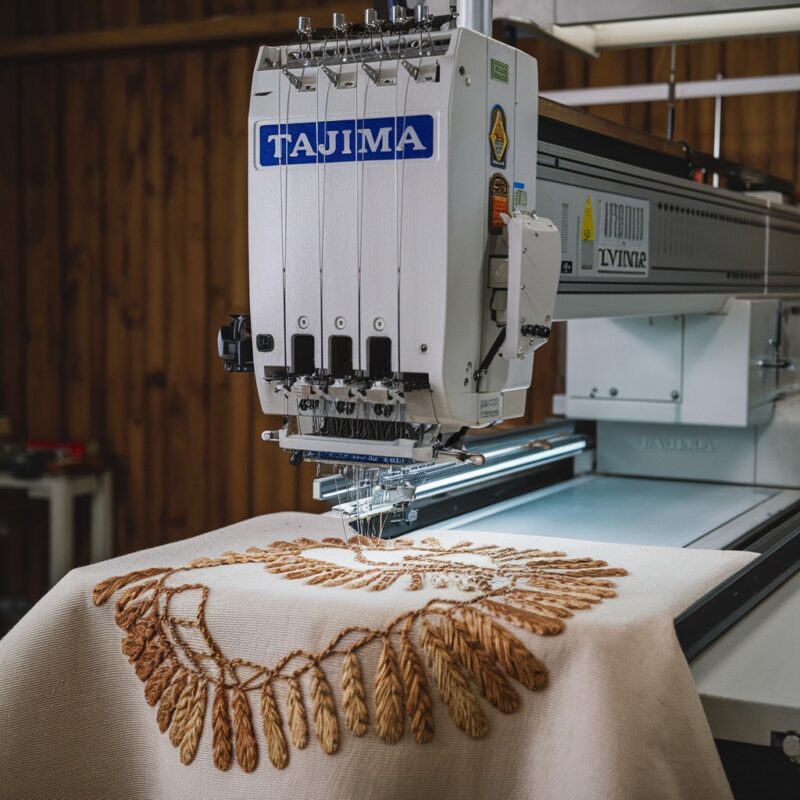
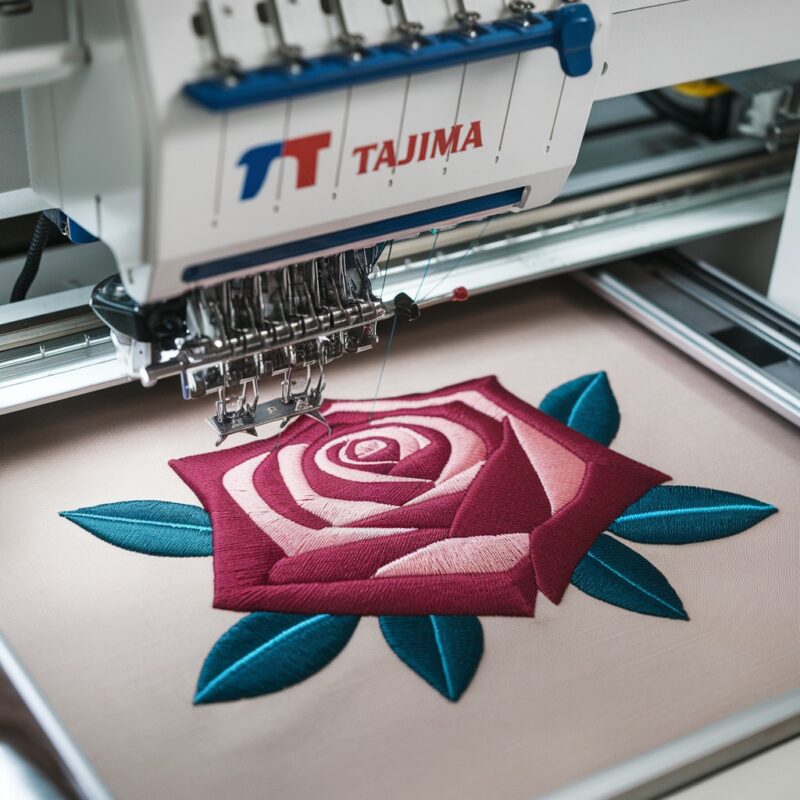
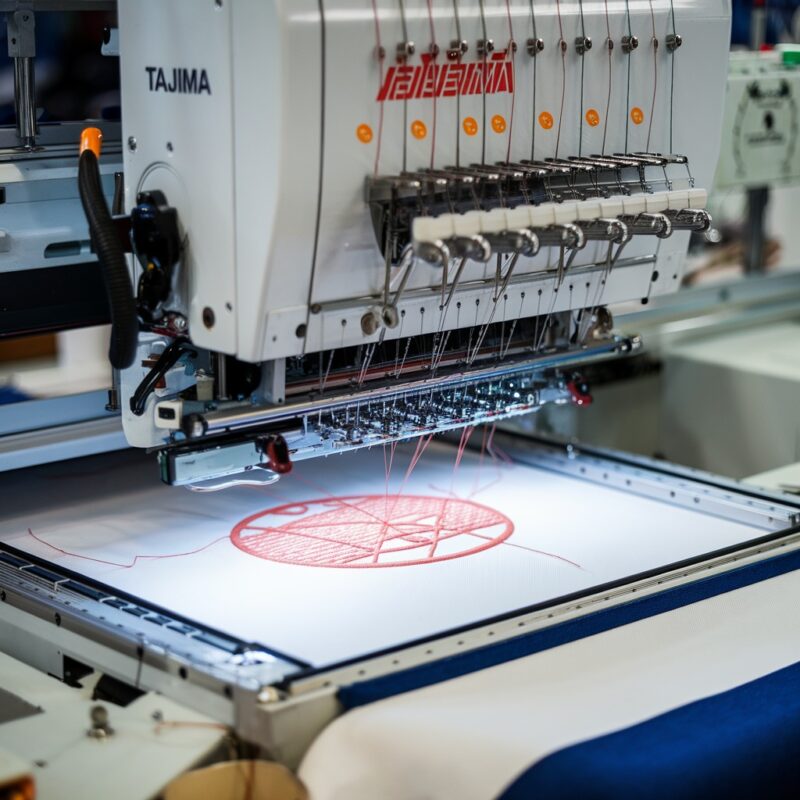
The Tajima TMAR-V1512 Series is a high-performance multi-head embroidery machine, equipped with digitally controlled presser foot technology. Despite its advanced features, thread breakage can occur and disrupt workflow. In this blog, we will explore the common causes of thread breakage in this model and provide practical solutions to ensure smooth operation.
Common Causes of Thread Breakage in TMAR-V1512 Series
1. Incorrect Thread Tension
Excessively tight or loose thread tension is a primary cause of thread breakage.
Solution:
- Check and adjust the thread tension settings on the machine to ensure uniformity.
- Perform a test run with a simple design to confirm proper tension.
2. Low-Quality Thread
Using threads that are old, frayed, or of poor quality increases the likelihood of breakage.
Solution:
- Use high-quality, embroidery-specific threads.
- Store threads in a cool, dry place to prevent damage.
3. Misaligned Thread Paths
Incorrect threading of the machine can lead to uneven tension and breakage.
Solution:
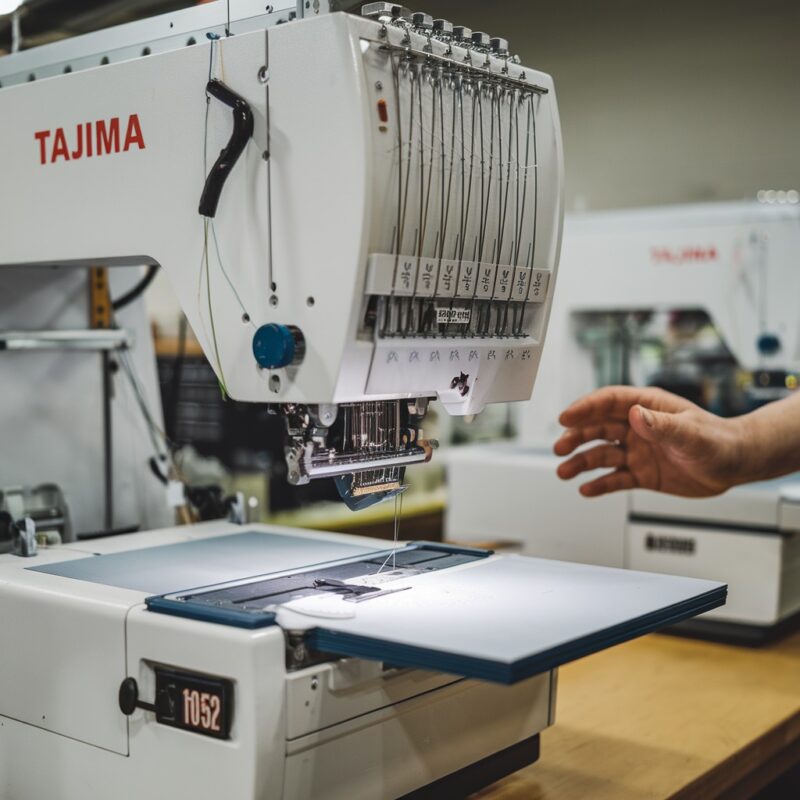
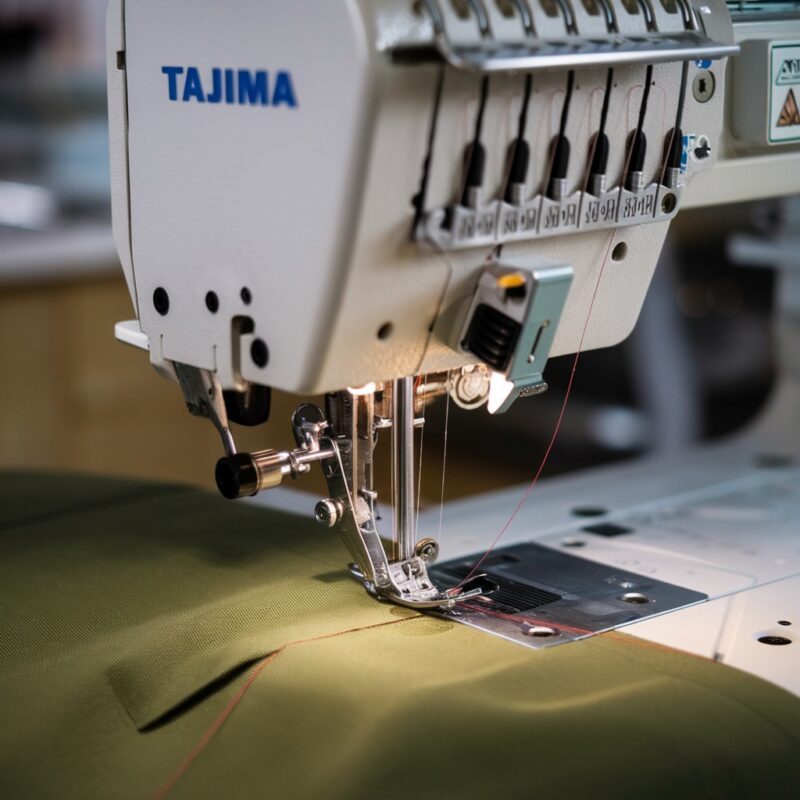
- Rethread the machine carefully, following the user manual.
- Ensure threads are running smoothly through all guides and tension disks.
PROMOTIONAL SECTION
The All-in-One Solution For All Your Embroidery Business!
Enjoy $0.90 / 1000 Stitches Logo Digitizing
Monthly Cash Back, Free Delivery on Store-wide Products, Dedicated Account Manager, Exclusive Client Dashboard Panel, Bonus Credit & much more.
SIGN UP TODAY & GET FIRST 3 ORDER ABSOLUTELY FREE

Unlock game-changing benefits: expert digitizing services, technical embroidery guidance, seamless management of your business essentials, and free delivery on storewide products—all just for signing up with us. Don’t let these exclusive perks pass you by!

No Credit Card Required
Stay secure with no need to share your credit or debit card details! Experience 100% safe payment methods, including the option to purchase credits for your future orders. Plus, enjoy free credit as a bonus with every credit purchase and more exclusive benefits.

A Game-Changing Advantage
Imagine having a dedicated account manager by your side, ready to handle all your embroidery needs with precision and care. Whether it’s managing your digitizing orders, delivering essential embroidery supplies based on your every embroidery order, or sourcing those hard-to-find spare parts like motors, circuit boards, or sensors, we’ve got you covered. This incredible service ensures your business runs seamlessly, all at no extra cost or monthly fee.
It’s not just support—it’s the ultimate embroidery partnership you didn’t know you were missing for a $0 charge!
Exclusive Client Dashboard Panel
Get Free Account Setup (T&C Applied) and enjoy exclusive benefits: unlimited free estimate requests, streamlined order management, complimentary edit requests, 24/7 access to our ticket system, fast 6-12 hour turnaround times, round-the-clock email and live chat support, and 1-year free design file backup and more.

Recurring Monthly Cashback
Experience out of the box services with Cashback on monthly basis along with discount vouchers on Shop for Registered customers up to 60% on supplies, accessories, spare parts & sensors & Circuit boards and add extra value to your embroidery business.

Free Delivery on all Shop Products
Enjoy free delivery on embroidery supplies, accessories, spare parts, sensors & circuit boards, and store-products, delivered straight to your doorstep! Unlock this exclusive benefits by registering with us for all your digitizing needs. (Embroidery Machine Not Included)
4. Damaged Needles or Thread Guides
Worn-out or bent needles, along with damaged thread guides, can cut or weaken the thread.
Solution:
- Replace needles regularly, particularly after heavy usage.
- Inspect thread guides and replace any that show signs of wear or damage.
5. Improper Presser Foot Pressure
Uneven or excessive presser foot pressure can pinch or strain the thread, causing it to snap.
Solution:
- Use the digitally controlled presser foot to adjust the pressure accurately for the fabric type.
- Test the settings on a scrap piece of fabric before starting the main design.
6. Dirty Tension Disks
Accumulated lint and dust in the tension disks can obstruct smooth thread flow.
Solution:
- Clean the tension disks using a soft brush or compressed air.
- Perform regular maintenance to keep the machine free of debris.
7. Incompatible Thread and Needle Pairing
Using a thread that isn’t compatible with the selected needle size or type can lead to unnecessary friction, weakening the thread.
Solution:
- Match the thread type with the appropriate needle size. For example, metallic threads require a specialized needle to reduce friction and snapping.
- Test different thread and needle combinations on a sample design before full-scale production.
8. Improper Bobbin Thread Setup
Issues with the bobbin thread, such as incorrect winding or placement, can create imbalances, leading to the breakage of the top thread.
Solution:
- Ensure the bobbin is wound evenly and correctly placed in its case.
- Use the correct bobbin thread weight for your embroidery design.
9. Excessive Machine Speed
Operating the machine at a high speed for delicate designs or threads can strain the thread, causing it to snap.
Solution:
- Lower the machine speed when working with intricate designs or fragile threads like metallic or rayon.
- Use the recommended speed settings in the user manual for optimal performance.
10. Environmental Factors
Humidity or excessive dryness can affect the thread’s elasticity and strength, making it prone to breaking.
Solution:
- Maintain a controlled environment in your embroidery workspace.
- If the thread feels brittle, run it through a silicone-based thread lubricant to improve its durability.
11. Tension Spring Wear
Over time, the tension springs in your machine can lose elasticity or develop wear and tear, leading to uneven thread tension.
Solution:
- Inspect the tension springs for signs of wear.
- Replace worn-out springs to maintain even thread tension across all needles.
12. Poor Design Digitization
Badly digitized embroidery designs, with dense stitch patterns or abrupt direction changes, can put undue stress on the thread.
Solution:
- Optimize your embroidery designs by reducing stitch density in high-stress areas.
- Use software to simulate the design before stitching to identify potential problem areas.
Best Practices for Preventing Thread Breakage in the TMAR-V1512 Series
- Regular Maintenance: Schedule routine servicing for your machine to keep it in top condition.
- Thread Quality Control: Use threads from reputable brands known for durability and performance.
- Operator Training: Train operators to identify and fix minor issues quickly, minimizing interruptions.
Pro Tip: Leverage Digitally Controlled Features
The TMAR-V1512 Series is equipped with a digitally controlled presser foot, allowing for precise adjustments based on fabric thickness and design complexity. Utilize this feature to reduce thread stress and enhance embroidery quality.
Conclusion
Addressing thread breakage in the Tajima TMAR-V1512 Series requires a combination of preventive care, proper setup, and optimized design practices. By understanding the nuances of your machine and tailoring solutions to its unique capabilities, you can minimize disruptions and maintain high-quality embroidery output. With regular maintenance and adherence to best practices, you’ll not only solve thread breakage issues but also extend the machine’s lifespan.