Tajima Embroidery Machine: Common Errors in Machine Stops or Won’t Sew and Solutions


Tajima Embroidery Machine: Common Errors in Machine Stops or Won’t Sew and Solutions
One of the most frustrating experiences for Tajima embroidery machine users is when the machine stops unexpectedly or refuses to sew. This issue can arise due to a variety of reasons, but the good news is that many of them are easily identifiable and fixable. In this blog, we’ll explore the common causes of why a Tajima embroidery machine stops or won’t sew and offer effective solutions to get your machine running smoothly again.
Common Causes and Solutions for Tajima Machine Stops or Won’t Sew
-
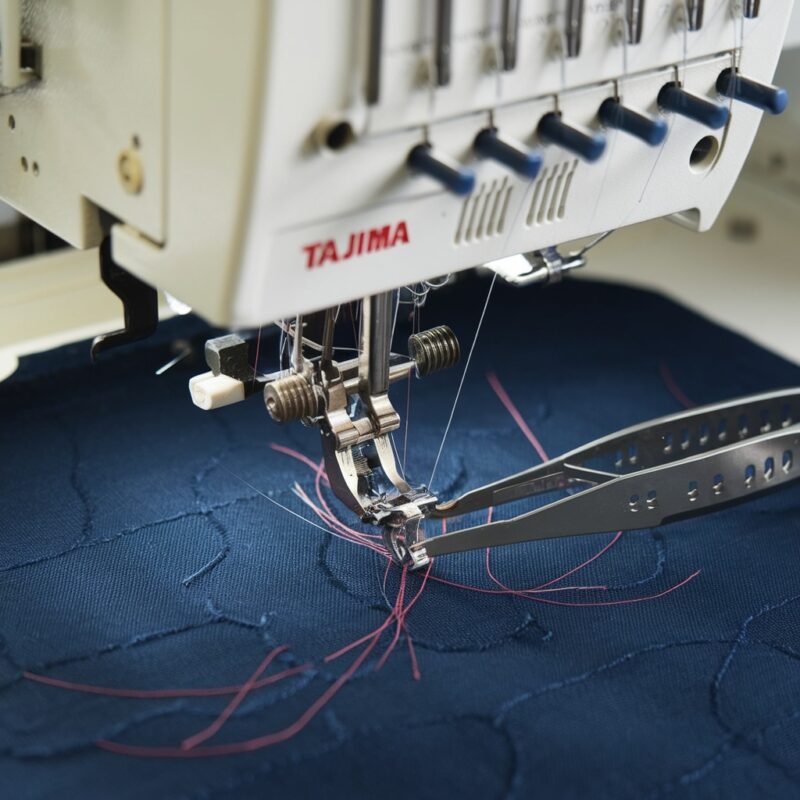
Thread Breakage or Thread Sensors Activated
Cause: The machine may stop because the upper or bobbin thread has broken, or the thread sensors have been triggered due to improper threading.
Solution:
-
Bobbin Thread Running Out
Cause: A common reason why the machine stops is when the bobbin thread runs out during stitching.
Solution: -
Needle Issues
Cause: A bent, dull, or improperly installed needle can prevent the machine from operating.
Solution: -
Incorrect Thread Tension
Cause: Imbalanced thread tension can lead to machine halts or skipped stitches, which may cause the machine to stop stitching.
Solution: -
Improper Hooping or Fabric Slippage
Cause: If the fabric is not hooped properly or shifts during embroidery, the machine might stop to prevent damage to the design or fabric.
Solution:- Ensure the fabric is hooped tightly and securely, and use a suitable stabilizer to prevent fabric slippage. Check the hoop tension before starting each project.
-
Clogged Bobbin Area or Needle Plate
Cause: Accumulated lint, dust, or stray threads in the bobbin area or around the needle plate can prevent the machine from functioning properly.
Solution: -
Machine Overload or Overheating
Cause: Running the machine at high speeds for extended periods can cause the motor to overheat, leading to a machine stop.
Solution:- Let the machine cool down and avoid running it at its maximum speed for long periods. Regular breaks during long embroidery sessions will help prevent overheating.
-
Electrical Issues or Power Supply
Cause: A power fluctuation, loose cable connection, or electrical fault could cause the machine to stop suddenly.
Solution:- Check the power supply and ensure all cables are connected properly. If the machine consistently shuts down, consult a technician to examine the internal electrical components.
-
Software or Design Errors
Cause: Sometimes, a corrupt or incompatible design file can cause the machine to stop sewing mid-project.
Solution:- Ensure that the design file is compatible with your machine and formatted correctly. If a file error occurs, try reloading or using a different design file.
-
Automatic Stop Settings
Cause: Tajima machines come with settings that allow them to automatically stop after completing certain steps or when specific errors are detected.
Solution:
Proactive Maintenance Tips to Prevent Machine-Stopping Issues
- Regular Cleaning: Keep the machine’s bobbin area, needle plate, and thread paths clean to avoid buildup that could interrupt sewing.
- Check Needles and Thread: Regularly inspect the needle and thread quality, and ensure compatibility with the fabric.
- Monitor Tension Settings: Adjust thread tension settings as needed for each new project.
- Test Stitch Designs: Run a test stitch for each new design to check for any errors before starting on the final fabric.
Conclusion
A Tajima embroidery machine may stop or refuse to sew for a variety of reasons, but most of these problems are easy to diagnose and fix. Whether it’s an issue with threading, tension, or a software error, following these solutions will help you quickly get your machine back up and running. Regular maintenance and proper machine setup will also minimize interruptions and keep your embroidery process smooth.