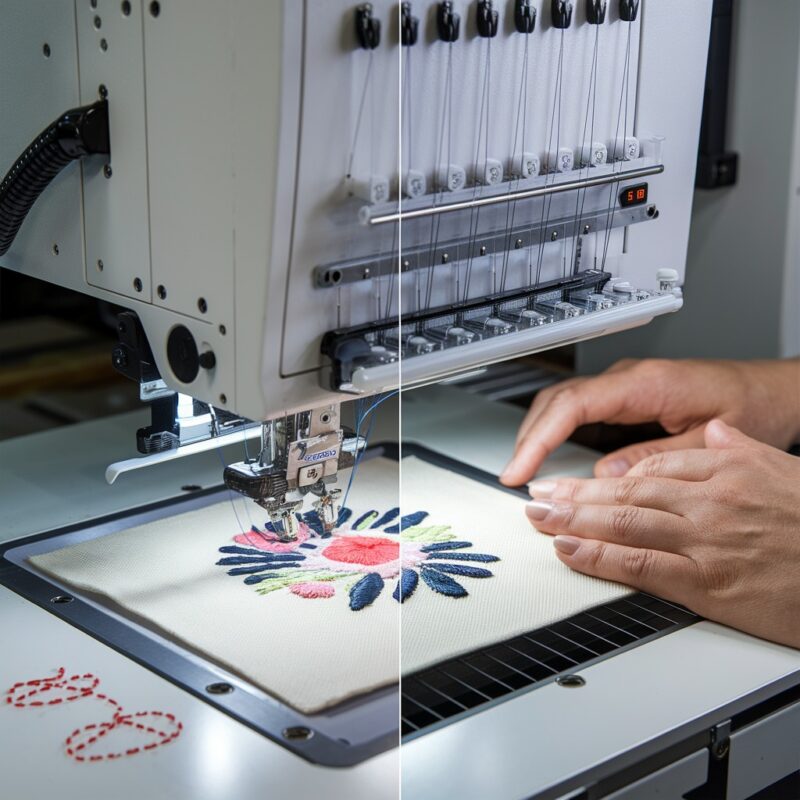
Tajima TMBR-SC Series: Bird’s Nesting – Causes and Solutions


Tajima TMBR-SC Series: Bird’s Nesting (Thread Jamming Under Fabric) – Causes and Solutions
The Tajima TMBR-SC Series, known for its precision and advanced features like the digitally controlled presser foot, offers high-quality embroidery performance. However, even the most advanced embroidery machines can experience bird’s nesting—a frustrating issue where thread jams under the fabric, creating a tangled mess. A bird’s nesting not only ruins the embroidery but can also damage the machine if left unchecked. Understanding the causes and solutions for bird nesting will help keep your machine running smoothly and your designs flawless.
Common Causes of Bird’s Nesting in the TMBR-SC Series
1. Incorrect Upper Thread Tension
One of the main causes of bird nesting is improper upper thread tension. When the upper thread tension is too loose, it can’t form a proper stitch, leading to excess thread accumulating under the fabric.
Solution:
- Check and adjust the upper thread tension. If you notice loose loops on the underside of the fabric, increase the tension slightly until the stitches are balanced.
- Perform a test run on a scrap piece of fabric to ensure the upper and bobbin thread tensions are well balanced.
2. Improper Threading
If the machine is incorrectly threaded, the thread may slip out of the tension disks or guides, causing it to pool underneath the fabric and create a nest.
Solution:
- Re-thread the machine carefully, making sure the thread passes through all the tension guides, disks, and take-up lever.
- Ensure that the thread is seated properly in the tension disks and isn’t slipping out as the machine operates.
3. Bobbin Thread Problems
Bird’s nesting can also be caused by bobbin thread issues, such as incorrect bobbin tension or improperly wound bobbins. Loose or unevenly wound bobbins can cause the thread to jam under the fabric.
Solution:
- Ensure the bobbin is wound evenly and correctly. Avoid overfilling the bobbin, as this can lead to uneven tension.
- Check the bobbin case and tension. The bobbin thread should pull smoothly with slight resistance. If it’s too loose or too tight, adjust the bobbin tension or replace the bobbin case if necessary.

4. Lack of Stabilizer
Without a proper stabilizer, especially on thin or stretchy fabrics, the material can shift or bunch up, which may lead to a bird’s nesting. A stabilizer provides the necessary support to the fabric during stitching.
Solution:
- Use a stabilizer that’s appropriate for the fabric type. For lightweight or stretchy fabrics, consider using a cut-away stabilizer to provide better support.
- Make sure the stabilizer is hooped tightly along with the fabric to prevent movement during stitching.
5. Needle Issues
Using the wrong needle type or a damaged needle can cause improper stitch formation, leading to bird nesting. A dull or bent needle can push fabric fibers into the bobbin area, resulting in thread jams.
Solution:
- Regularly inspect and change the needle. Ensure you’re using the correct needle size and type for the fabric and thread.
- Replace the needle after every 8-10 hours of use or when switching between different fabric types to prevent damage and ensure smooth stitching.
6. Incorrect Presser Foot Height
The digitally controlled presser foot on the TMBR-SC Series helps manage fabric thickness, but if the presser foot is set too high or too low, it can cause the fabric to move excessively, leading to thread buildup beneath the fabric.
Solution:
- Adjust the presser foot height according to the fabric thickness. The presser foot should apply enough pressure to hold the fabric in place without causing it to stretch or bunch.
- Test the presser foot setting on a scrap piece of fabric to ensure proper pressure is being applied.
7. Dirty or Damaged Bobbin Area
Lint, dust, and thread remnants can accumulate in the bobbin area, obstructing the smooth movement of the bobbin thread and leading to bird nesting.
Solution:
- Regularly clean the bobbin area using a small brush or compressed air to remove lint and debris.
- Check the bobbin case for any signs of wear or damage. Replace it if it’s worn out to prevent thread jamming.
8. Poor Quality Bobbin Thread
Using low-quality bobbin thread can contribute to bird nesting, as such threads may not run as smoothly or consistently, leading to thread buildup under the fabric.
Solution:
- Always use high-quality bobbin thread, specifically designed for embroidery. Embroidery bobbin thread is typically finer and more consistent than regular sewing thread, ensuring smooth and even stitches.
- Stick to brands known for producing high-quality, uniform thread to avoid problems related to inconsistent tension or breakage.
9. Incorrect Thread Tension Balance Between Upper and Bobbin Thread
If there is a significant difference between the tension of the upper thread and the bobbin thread, it can lead to thread jams and bird nesting. This is particularly important in multi-layer or heavy fabrics, where tension imbalances can easily cause issues.
Solution:
- Adjust the tension on both the upper thread and bobbin thread until they are balanced. If the tension on the bobbin thread is too tight compared to the upper thread, loosen the bobbin tension slightly, or adjust the upper tension to match.
- Use a tension gauge if necessary to get precise measurements of both thread tensions.
10. Bent or Misaligned Needle Plate
A bent or misaligned needle plate can obstruct the smooth movement of the fabric and thread, causing thread jams beneath the fabric. The needle plate is crucial for guiding the needle and thread properly during stitching.
Solution:
- Inspect the needle plate regularly for any signs of wear or damage. If it’s bent, cracked, or misaligned, replace it to prevent further thread jams.
- Ensure the needle plate is correctly aligned and secured before beginning any embroidery project.
11. Fabric Hooping Issues
Poorly hooped fabric can lead to movement during the embroidery process, increasing the risk of bird nesting. When the fabric shifts or isn’t secured tightly, it can disrupt the stitch formation and cause the thread to build up underneath.
Solution:
- Make sure the fabric is hooped tightly and securely before starting your design. The fabric should be taut, with no slack or sagging inside the hoop.
- Use a hoop that’s appropriately sized for the fabric and design to ensure a snug fit and reduce the chances of the fabric moving during stitching.
12. Incorrect Needle Size for Fabric and Thread
Using the wrong needle size for the type of fabric and thread can cause a bird’s nest. For instance, if the needle is too large or small for the thread, it may struggle to form proper stitches, leading to thread buildup.
Solution:
- Select the right needle size based on the thickness of both the fabric and thread. Thicker fabrics and threads require larger needles, while finer fabrics and threads need smaller needles.
- Always refer to the thread and fabric guidelines provided by the machine or thread manufacturer to choose the appropriate needle.
13. Improperly Lubricated Machine
Lack of lubrication can cause friction between the machine’s internal parts, leading to issues with thread handling. If parts of your Tajima TMBR-SC machine are dry or improperly lubricated, it could cause the machine to seize or malfunction, resulting in bird nesting.
Solution:
- Regularly lubricate your machine according to the manufacturer’s guidelines. Apply oil to the moving parts as specified in the manual to ensure smooth operation.
- Use high-quality machine oil and avoid over-lubricating, which can lead to problems like thread slippage.
14. Thread Tails Not Properly Trimmed
Long thread tails from the start or end of a previous stitching run can become tangled under the fabric and contribute to a bird’s nesting.
Solution:
- Always trim the thread tails at the start and end of a stitch before continuing with another section of the design. Long threads can get caught in the bobbin area and cause jams.
- If your machine has an automatic thread trimming feature, ensure it functions properly, or manually trim the thread tails as needed.
15. Software or Design File Errors
Sometimes, the issue lies within the embroidery design file itself. Poorly digitized designs, excessive stitch density, or overlapping stitches can cause the machine to struggle, leading to thread jams and bird nesting.
Solution:
- Review the design file to ensure it’s properly digitized. Designs with overly dense stitching can cause thread buildup, so consider reducing the stitch density or editing the file for smoother stitching.
- Test the design on a small section of fabric before embroidering the full project to check for any potential issues with stitch density or design complexity.
Conclusion
By taking these additional precautions, you can significantly reduce the occurrence of bird nesting on your Tajima TMBR-SC Series machine. Proper maintenance, correct needle and thread selection, tension adjustments, and careful hooping will keep your machine running smoothly and prevent thread jams from derailing your embroidery projects.
Maintaining a well-lubricated, clean machine, paying attention to details like trimming thread tails, and using high-quality materials will help you avoid frustrating issues like bird nesting. This not only saves time but also ensures high-quality, professional embroidery results.