Blog
Hikone Embroidery Machine: Bird’s Nesting Troubleshooting

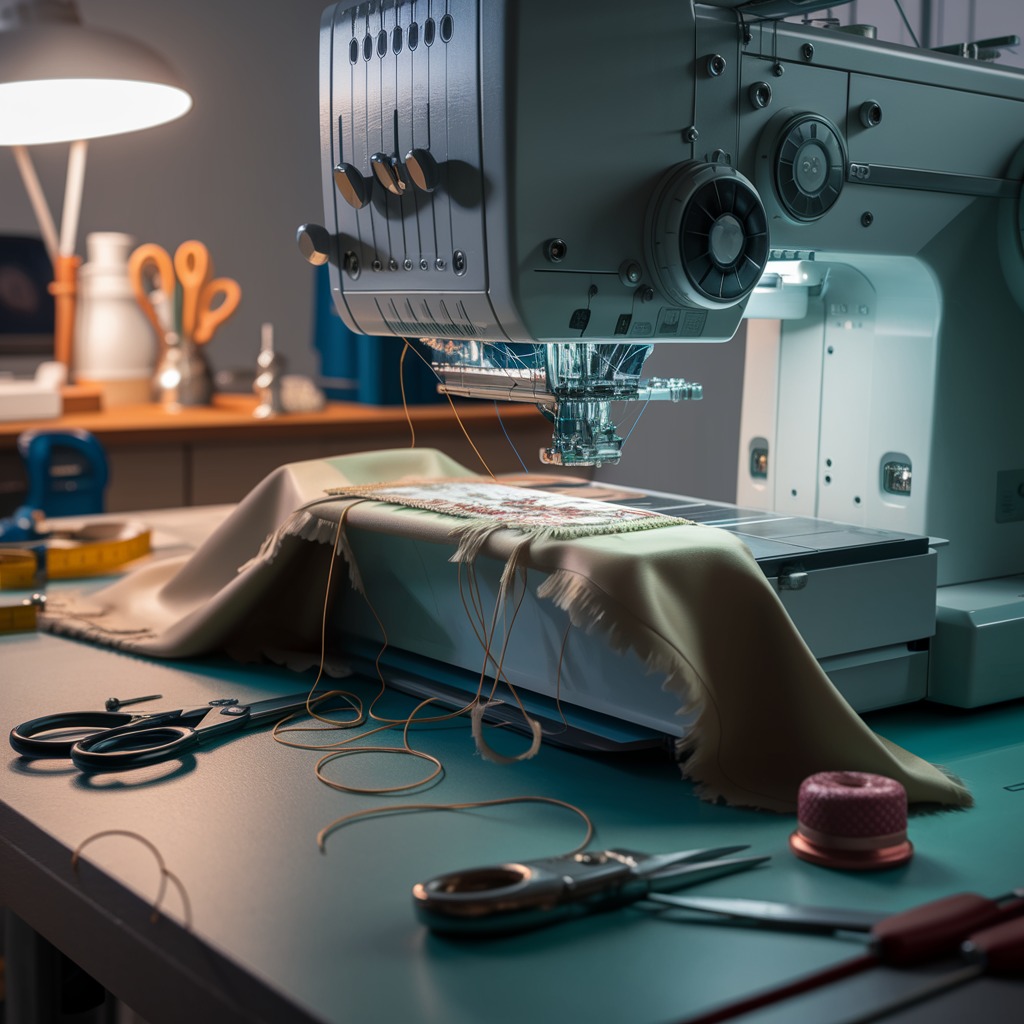
Quick answer: Bird's nesting, or thread jamming under the fabric, is most often caused by incorrect thread tension, improper threading, or bobbin issues. Check and adjust upper and bobbin tension, re-thread the machine carefully, and inspect your bobbin for proper winding and insertion. Also, ensure your needle is sharp and correctly sized.
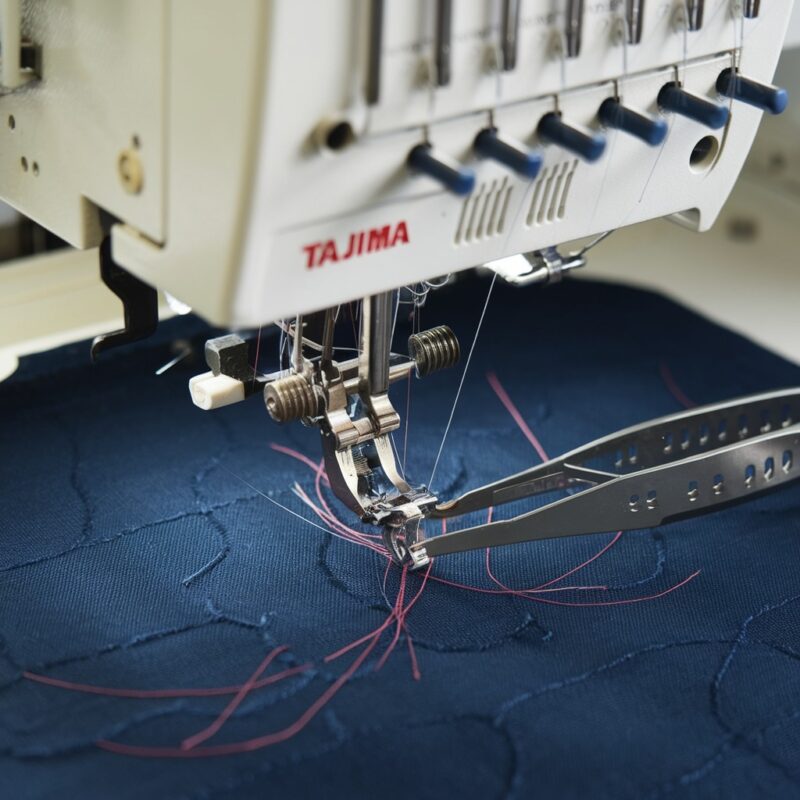
Bird's nesting, characterized by a tangled mass of thread on the underside of your embroidery, is a common and frustrating issue for Hikone embroidery machine operators. This guide provides practical steps to diagnose and resolve the problem, focusing on common causes and concrete solutions to get your machine running smoothly again.
Two-minute checks before you open anything
- Is the upper thread correctly seated in all tension guides and discs?
- Is the bobbin wound evenly and inserted correctly?
- Is the needle sharp, straight, and inserted with the scarf facing the hook?
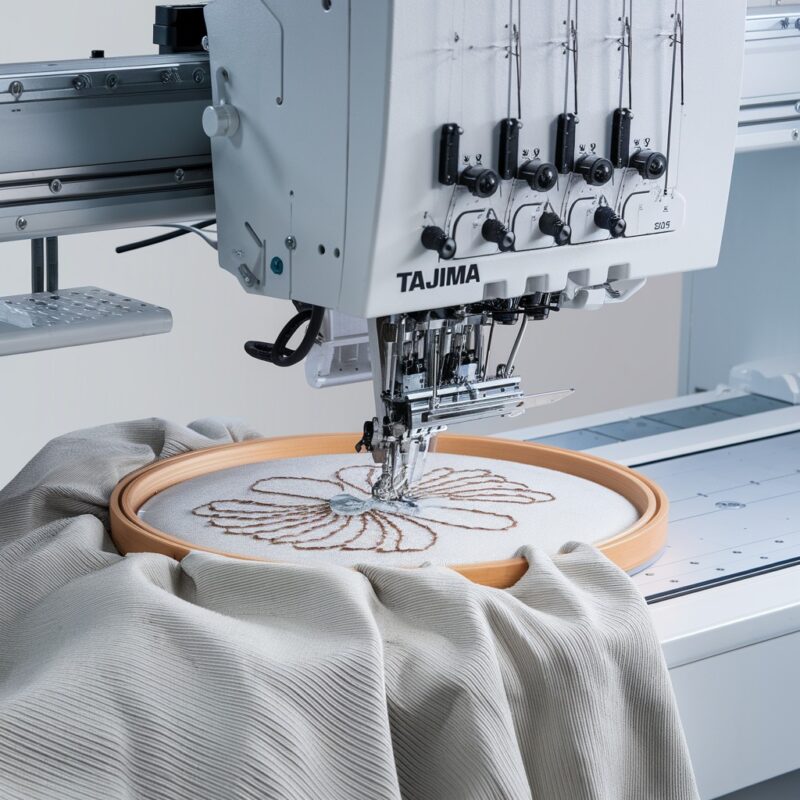
- Is the fabric hooped securely and taut, without stretching?
- Is there any lint or thread debris in the bobbin case or under the throat plate?
1. Incorrect Thread Tension (Upper or Bobbin) high likelihood
How to tell
Excess thread accumulates in a tangled mess on the underside of the fabric. Stitches on the top may appear loose or uneven. If upper tension is too loose, loops may appear on top. If bobbin tension is too loose, loops may appear on the bottom.
Fix
- For Upper Thread Tension: Locate the upper thread tension dial, typically numbered. Turn the dial incrementally (e.g., half a number) to increase tension (clockwise) if the top thread is too loose, or decrease tension (counter-clockwise) if the top thread is too tight. Test stitch on scrap fabric. The goal is for the bobbin thread to show approximately 1/3 of the way up from the bottom on a straight stitch, or for the top thread to pull the bobbin thread slightly to the top on a zigzag.
- For Bobbin Thread Tension: Remove the bobbin case. If it's a drop-in bobbin, check the small screw on the bobbin case. Turn it a quarter turn clockwise to increase tension or counter-clockwise to decrease. For front-loading bobbin cases, check the tension spring screw. Test stitch on scrap fabric. The bobbin thread should pull slightly to the top, creating a balanced stitch. Refer to your Hikone machine's manual for specific tension adjustment procedures and recommended settings for different thread types.
Parts involved: Thread path & tension → Rotary hooks & bobbin cases →
2. Improper Threading high likelihood
How to tell
The machine may make unusual noises, the thread may snag or break, and bird's nesting will occur. Visual inspection will show the thread not passing through all required guides, discs, or the take-up lever.
Fix
- Completely remove the upper thread from the machine.
- Ensure the presser foot is raised to open the tension discs.
- Carefully re-thread the upper thread, ensuring it passes through every guide, the tension discs (it should feel a slight resistance), and the take-up lever. Follow the threading path diagram in your Hikone machine's manual precisely.
- Ensure the thread is correctly threaded through the needle eye, typically from front to back, with the thread tail pulled under the presser foot and towards the back.
Parts involved: Thread path & tension →
Parts you may need for your machine
In stock, tested before dispatch, Buyer Protection on every order. Part types for this problem: Thread path & tension, Rotary hooks & bobbin cases, Needles & needle bars, Presser feet & sewing parts.
 Bobbin Case & 2 Metal Bobbins for Brother, Janome, Singer, Babylock...$ 5.59View part →
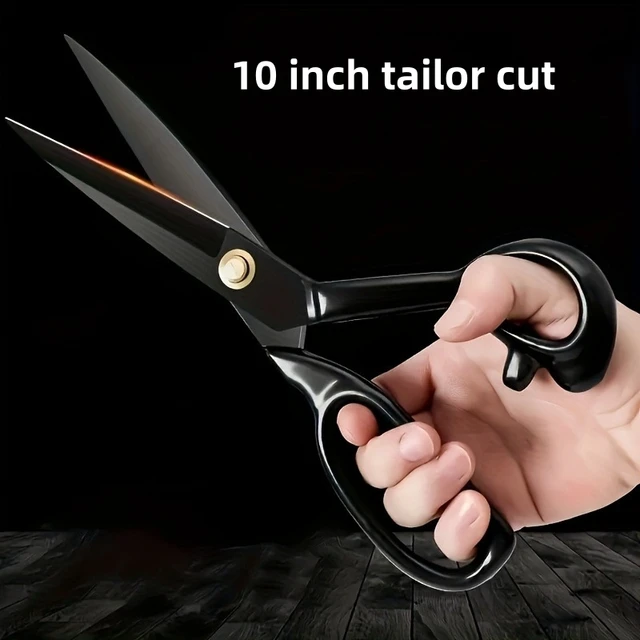 10 Inch Stainless Steel Tailor Scissors with Blackening for Profess...$ 7.99View part →
 DMTATTOO 1201RL 1205RM Cartridge Tattoo Needles for Pen Machines$ 14.49View part →
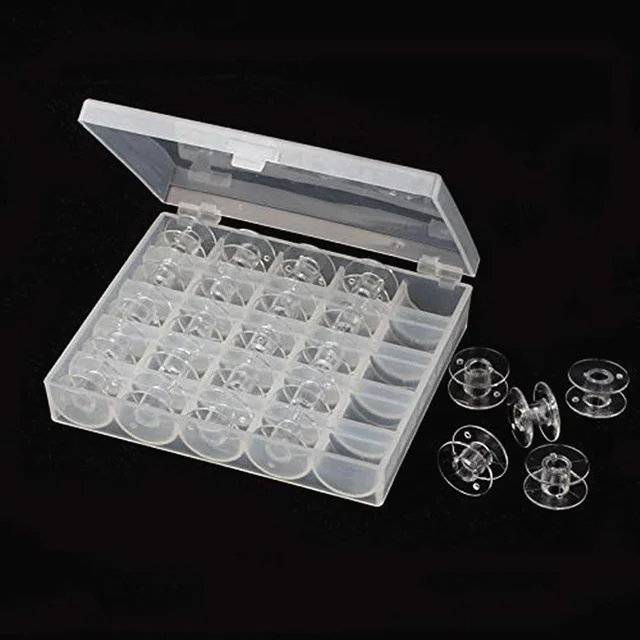 OZXHIXU AA7650 25Pcs Clear Plastic Sewing Machine Bobbins Spools & ...$ 6.29View part →
 11PCS Low Shank Presser Foot Kit Set for Singer Brother Janome Kenm...$ 23.49View part →
 Flying Tiger DBx1 Industrial Lockstitch Needles, 100 pcs/box, Sizes...$ 10.99View part →
All your machine parts → Thread Path & Tension → Rotary Hooks & Bobbin Cases → Needles & Needle Bars →
3. Bobbin Issues (Winding or Insertion) high likelihood
How to tell
The bobbin thread may not feed smoothly, leading to uneven stitches or tangles underneath. Visually inspect the bobbin for uneven winding, loose thread, or incorrect orientation in the bobbin case/holder.
Fix
- Remove the bobbin and inspect its winding. If it's uneven, too loose, or too full, re-wind it. Ensure the thread winds smoothly and evenly across the bobbin.
- Ensure you are using the correct bobbin type and size specified for your Hikone machine. Using the wrong bobbin can cause tension and feeding problems.
- Carefully re-insert the bobbin into the bobbin case or bobbin holder, ensuring the thread feeds in the correct direction (e.g., clockwise or counter-clockwise, as indicated by a diagram on the machine or in the manual) and is properly seated under the tension spring of the bobbin case.
Parts involved: Rotary hooks & bobbin cases →
4. Damaged or Incorrect Needle medium likelihood
How to tell
The needle may snag or break the thread, causing loops or tangles. Visual inspection may reveal a bent, dull, burred, or incorrectly inserted needle. Skipped stitches may also occur.
Fix
- Turn off the machine power.
- Loosen the needle clamp screw and remove the old needle.
- Inspect the needle for any signs of bending, dullness, or burrs. If any damage is present, replace it.
- Ensure you are using the correct needle type and size for your fabric and thread combination, as recommended in your Hikone machine's manual.
- Insert a new, correct needle with the flat side of the shank facing the back (or as specified in your manual) and push it up as far as it will go into the needle clamp. Tighten the needle clamp screw securely.
Parts involved: Needles & needle bars →
5. Dirty or Damaged Machine Parts (Bobbin Case, Throat Plate) medium likelihood
How to tell
Lint, dust, or broken thread pieces can interfere with thread movement, especially around the bobbin area and under the needle. Scratches or burrs on the throat plate can snag thread. Visual inspection will reveal debris or damage.
Fix
- Turn off the machine power.
- Remove the needle plate (throat plate) and the bobbin case/rotary hook assembly.
- Using a small brush (often supplied with the machine) and/or a vacuum cleaner with a small nozzle, thoroughly clean out all lint, dust, and thread fragments from the bobbin area, feed dogs, and under the throat plate.
- Inspect the throat plate for any burrs, nicks, or scratches, especially around the needle hole. If damaged, it can snag thread and should be replaced.
- Inspect the bobbin case and rotary hook for any damage or debris. Clean thoroughly. Reassemble carefully, ensuring all parts are correctly seated.
A damaged throat plate or bobbin case may need replacement.
Parts involved: Rotary hooks & bobbin cases → Presser feet & sewing parts → Lubrication & maintenance →
6. Improper Hooping low likelihood
How to tell
The fabric may shift, pucker, or not lie flat during embroidery, leading to uneven stitches and potential thread tangles. Visual inspection will show loose or improperly secured fabric in the hoop.
Fix
- Remove the hoop from the machine.
- Ensure the fabric is placed smoothly and tautly in the hoop, without wrinkles or excessive stretching. The fabric should be drum-tight but not distorted.
- Use appropriate stabilizer for your fabric type and design density. The stabilizer should be hooped with the fabric or adhered securely.
- Ensure the hoop screw is tightened sufficiently to hold the fabric firmly. Avoid over-tightening, which can distort the hoop.
Parts involved: Hoops & frames →
Stop and call a technician if
- If, after performing all troubleshooting steps, the bird's nesting persists.
- If you suspect internal mechanical damage (e.g., bent needle bar, damaged rotary hook beyond simple cleaning/replacement).
- If the machine is making unusual grinding or knocking noises that you cannot identify or resolve.
- If you are unable to adjust tension settings effectively or if tension components appear damaged.
Prevent it coming back
- Use high-quality thread compatible with your Hikone machine to minimize breakage and bunching.
- Perform regular cleaning and maintenance, especially around the bobbin area, to prevent lint and debris buildup.
- Always ensure proper thread tension for both upper and bobbin threads, adjusting as needed for different projects.
- Carefully re-thread the machine every time, ensuring the thread passes through all guides and tension discs correctly.
- Ensure fabric is securely hooped with appropriate stabilizer, taut but not overstretched.
- Replace needles regularly, especially if they show signs of dullness, bending, or burrs.
- Consider reducing the machine's stitching speed for intricate designs or delicate materials to allow proper stitch formation.
Frequently asked questions
What is 'bird's nesting' in embroidery?
Bird's nesting refers to a tangled mass of thread that accumulates on the underside of your fabric during embroidery. It's caused by an imbalance in thread tension, improper threading, or other mechanical issues, leading to excess thread being pulled to the bottom.
Can bird's nesting damage my Hikone machine?
Yes, if left unaddressed, severe bird's nesting can put strain on the needle, needle bar, rotary hook, and other moving parts, potentially leading to bent needles, damaged bobbin cases, or even timing issues. It's important to stop the machine and clear the jam immediately.
How can I prevent bird's nesting?
Regular maintenance, using high-quality thread, ensuring correct thread tension and proper threading, using the right needle for your fabric, and securely hooping your material are key preventive measures. Also, consider slowing down the machine speed for complex designs or delicate fabrics.
Why does my machine only bird's nest with certain designs or fabrics?
Different designs and fabrics require specific settings. High-density designs put more stress on thread and tension. Certain fabrics might require different stabilizers, needles, or tension adjustments. Always test new combinations on scrap material.
Did this guide fix your machine?
Rate it - it helps other operators find the right fix.
Not sure which part is failing?
Need the logo stitched too?
Get your logo digitized by the people who know this machine
Upload the artwork, see the stitch count and the exact price in 10 seconds, then order with a free sew-out preview. $1 per 1,000 stitches, $10 minimum, 24-hour delivery. Vector conversion from $12.
After the fix
Fixed it? Keep the rest of the shop moving.
OS 360 is the shop software from the team behind this parts store. Every job keeps its status, deadline and owner while a embroidery head is down, restock alerts fire for needles, hooks and bobbins before you run dry, and quotes, invoices and payment live in one place.
- Jobs with status, deadline and owner - nothing slips during downtime
- Inventory with restock alerts, this store one click away
- Instant quotes, invoices and one place to collect payment