Barudan’s Embroidery Machine Thread Breakage: Common Errors and Solutions

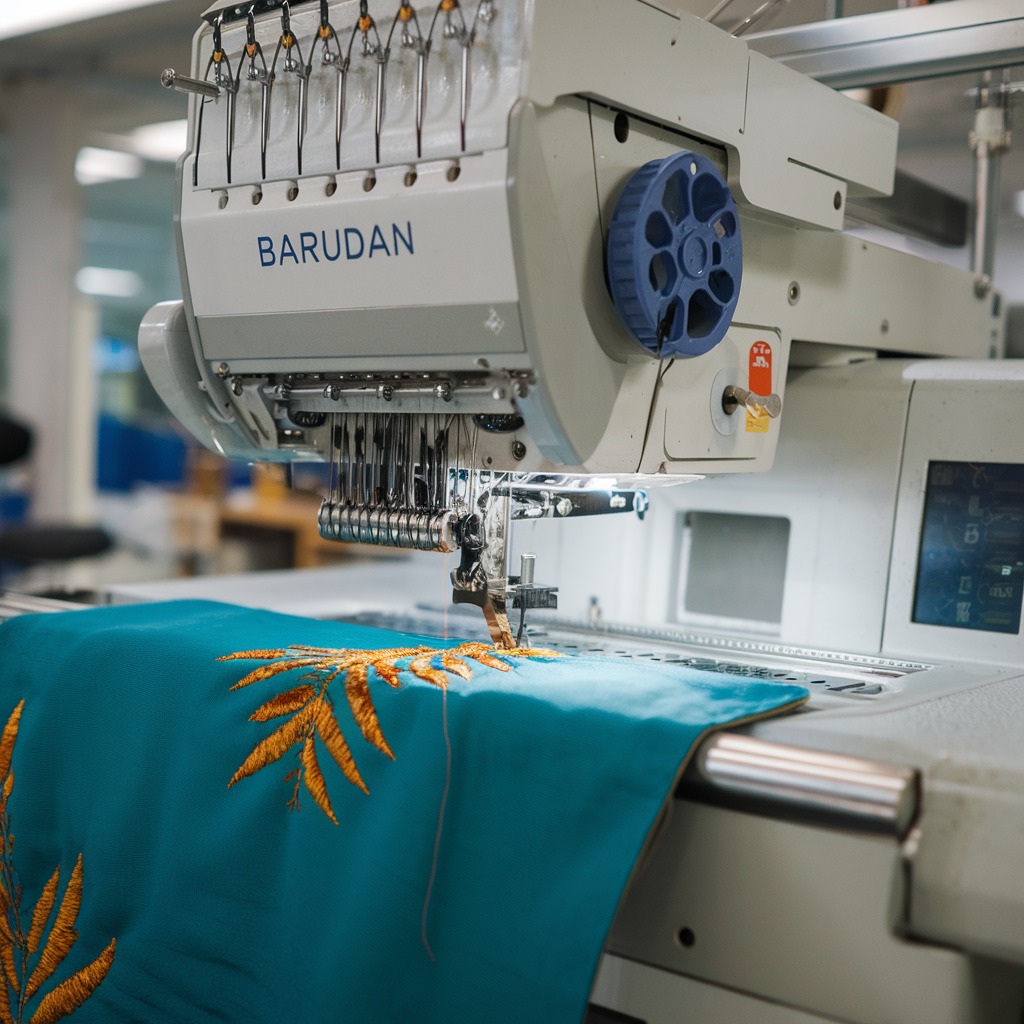
Barudan’s Embroidery Machine Thread Breakage: Common Errors and Solutions
Barudan embroidery machines are widely respected for their precision and reliability, but thread breakage is a common issue that many users face. Frequent thread breaks can interrupt your work, lower productivity, and lead to frustration, especially during complex designs. Fortunately, most thread breakage issues can be resolved with proper maintenance and adjustments. In this blog, we will cover the most common causes of thread breakage in Barudan embroidery machines and provide effective solutions to keep your machine running smoothly.
1. Incorrect Thread Tension
Error: One of the most frequent causes of thread breakage is improper thread tension, either too tight or too loose, which causes strain on the thread as it moves through the machine.
Solution:
- Ensure that both the upper thread and bobbin thread tensions are properly balanced.
- Use the tension adjustment dial to make small adjustments, testing on scrap fabric until you achieve smooth, consistent stitches.
- For best results, refer to the Barudan machine manual for recommended tension settings for different types of threads and fabrics.
2. Poor Thread Quality
Error: Using low-quality or old thread can cause frequent breaks, as these threads are more prone to fraying and snapping under tension.
Solution:
- Always use high-quality embroidery thread from reputable manufacturers. Polyester and rayon threads tend to work best for most embroidery projects.
- Avoid using old thread that may have become dry and brittle over time. Fresh thread ensures better durability during stitching.
- Store thread in a cool, dry environment to preserve its quality over time.
3. Needle Issues
Error: A damaged or incorrect needle can lead to thread breakage, especially if the needle is dull, bent, or incompatible with the fabric and thread you are using.
Solution:
- Regularly inspect the needle for wear and replace it after every large project or if you notice any signs of damage.
- Use the appropriate needle size and type for your fabric and thread. For thicker fabrics, use a larger needle, while delicate fabrics require a smaller one.
- Ensure that the needle is inserted correctly and fully seated in the needle clamp.
PROMOTIONAL SECTION
The All-in-One Solution For All Your Embroidery Business!
Enjoy $0.90 / 1000 Stitches Logo Digitizing
Monthly Cash Back, Free Delivery on Store-wide Products, Dedicated Account Manager, Exclusive Client Dashboard Panel, Bonus Credit & much more.
SIGN UP TODAY & GET FIRST 3 ORDER ABSOLUTELY FREE

Unlock game-changing benefits: expert digitizing services, technical embroidery guidance, seamless management of your business essentials, and free delivery on storewide products—all just for signing up with us. Don’t let these exclusive perks pass you by!

No Credit Card Required
Stay secure with no need to share your credit or debit card details! Experience 100% safe payment methods, including the option to purchase credits for your future orders. Plus, enjoy free credit as a bonus with every credit purchase and more exclusive benefits.

A Game-Changing Advantage
Imagine having a dedicated account manager by your side, ready to handle all your embroidery needs with precision and care. Whether it’s managing your digitizing orders, delivering essential embroidery supplies based on your every embroidery order, or sourcing those hard-to-find spare parts like motors, circuit boards, or sensors, we’ve got you covered. This incredible service ensures your business runs seamlessly, all at no extra cost or monthly fee.
It’s not just support—it’s the ultimate embroidery partnership you didn’t know you were missing for a $0 charge!
Exclusive Client Dashboard Panel
Get Free Account Setup (T&C Applied) and enjoy exclusive benefits: unlimited free estimate requests, streamlined order management, complimentary edit requests, 24/7 access to our ticket system, fast 6-12 hour turnaround times, round-the-clock email and live chat support, and 1-year free design file backup and more.

Recurring Monthly Cashback
Experience out of the box services with Cashback on monthly basis along with discount vouchers on Shop for Registered customers up to 60% on supplies, accessories, spare parts & sensors & Circuit boards and add extra value to your embroidery business.

Free Delivery on all Shop Products
Enjoy free delivery on embroidery supplies, accessories, spare parts, sensors & circuit boards, and store-products, delivered straight to your doorstep! Unlock this exclusive benefits by registering with us for all your digitizing needs. (Embroidery Machine Not Included)
4. Improper Threading
Error: Misthreading the machine is another common cause of thread breakage. If the thread is not properly placed in the tension disks or guides, it can snag and snap.
Solution:
- Double-check the threading path each time you re-thread the machine, making sure the thread passes through all necessary tension disks and guides.
- Re-thread the machine slowly and carefully, following the Barudan user manual for guidance.
- Ensure that the thread is correctly positioned in the needle eye and not tangled or looped in any way.
5. Damaged Thread Guides or Tension Disks
Error: Over time, components such as thread guides or tension disks can wear out or become damaged, leading to increased friction and causing the thread to break frequently.
Solution:
- Regularly inspect the thread guides, tension disks, and other thread path components for any signs of wear or damage.
- Clean the thread path, including the tension disks, using a soft brush to remove any accumulated lint or debris.
- If parts are worn or damaged, consult a technician or refer to your machine‘s service manual for replacement instructions.
6. Bobbin Thread Issues
Error: Incorrect bobbin winding or bobbin thread tension can also contribute to frequent thread breaks, particularly if the bobbin thread is too tight or loose.
Solution:
- Make sure the bobbin is wound evenly and not too tightly. If the bobbin is overfilled, it can cause tension issues and lead to thread breaks.
- Adjust the bobbin thread tension if needed, ensuring that it matches the tension of the upper thread.
- Clean the bobbin case and area to remove lint or other obstructions that could interfere with the thread’s smooth movement.
7. Fabric Type and Stabilizer
Error: Using the wrong type of stabilizer or fabric without proper backing can cause excess tension on the thread, leading to frequent breaks.
Solution:
- Select the appropriate stabilizer based on the fabric type and embroidery design. Heavier fabrics may require a stronger stabilizer, while lightweight fabrics need a softer, more flexible option.
- Test different stabilizers to ensure that the fabric remains stable during the stitching process, reducing the likelihood of thread breakage.
- Use the correct hooping technique to prevent the fabric from shifting, which can strain the thread.
8. Environmental Conditions
Error: Extreme environmental conditions, such as high humidity or heat, can affect the thread’s performance, causing it to break more easily.
Solution:
- Maintain a controlled environment for your machine, with stable temperature and humidity levels. Avoid placing the machine near heat sources or in areas prone to moisture.
- Store threads in a cool, dry place and use a thread lubricant if you are working in particularly dry conditions to prevent static or friction.
9. Worn-Out Thread Guides or Hooks
Error: Thread guides and hooks can develop rough edges over time, leading to thread fraying and eventual breakage.
Solution:
- Inspect all thread guides and hooks for wear and tear.
- Replace or smooth out damaged parts using a fine emery cloth or by consulting a professional technician.
10. Incorrect Hoop Placement
Error: Improperly hooped fabric can cause the needle and thread to meet unnecessary resistance, leading to thread snapping.
Solution:
- Always ensure the fabric is hooped tightly and evenly.
- Use a hoop size that matches your design to minimize movement and tension issues.
11. Needle and Thread Compatibility
Error: Using a needle that isn’t compatible with your thread type can create friction, causing the thread to break.
Solution:
- Use needles specifically designed for embroidery.
- Ensure the thread weight and needle size are compatible; for instance, fine threads require smaller needles, while thicker threads need larger needles.
12. Threading Sequence Errors
Error: Barudan machines have specific threading sequences that, if not followed, can lead to irregular tension and thread breaks.
Solution:
- Refer to your machine’s manual for the proper threading sequence.
- Double-check threading every time you change threads or rethread the machine.
13. Tension Spring Issues
Error: A malfunctioning or loose tension spring can result in inconsistent thread tension, causing breaks during embroidery.
Solution:
- Inspect the tension spring for proper functioning.
- Tighten or replace the spring if it’s worn out or not holding the thread securely.
14. Environmental Factors
Error: Humidity and temperature fluctuations can affect thread quality and tension, leading to frequent snapping.
Solution:
- Store threads in a cool, dry place away from direct sunlight.
- Use a thread conditioner to keep threads smooth and resilient.
Advanced Maintenance Tips for Persistent Thread Breakage
If thread breakage persists despite addressing common causes, follow these advanced troubleshooting steps:
Regular Calibration
Calibrate your Barudan embroidery machine periodically to ensure all parts function in harmony. Misalignment of parts can cause tension issues that lead to thread snapping.
Software Updates
Ensure your machine‘s software is up to date. Some thread breakage issues may stem from design file compatibility or machine instructions.
Using Thread Lubricators
Thread lubricators can reduce friction and ensure smoother thread movement, minimizing breakage risks, especially when using metallic or specialty threads.
Consult a Professional Technician
Persistent thread breakage issues may indicate underlying mechanical problems. A certified Barudan technician can identify and fix hardware-related concerns.
Proactive Strategies for Thread Management
- Pre-check Designs: Always test-run embroidery designs, especially those with high stitch density.
- Organize Thread Inventory: Use thread racks to keep threads untangled and ready for use.
- Adopt Quality Practices: Train operators on proper threading techniques and machine care.
Conclusion
Thread breakage on your Barudan embroidery machine can be a time-consuming and frustrating problem, but with the right maintenance and adjustments, you can minimize these interruptions. By addressing factors such as thread tension, needle quality, and proper threading, you can keep your machine running smoothly and ensure that your projects come out beautifully. Regular cleaning and inspection of machine components will also help you avoid long-term wear and tear that could lead to frequent thread breaks.