Tajima TMBR-SC Series: Common Causes of Needle Breaking and Solutions

Tajima TMBR-SC Series: Common Causes of Needle Breaking and Solutions
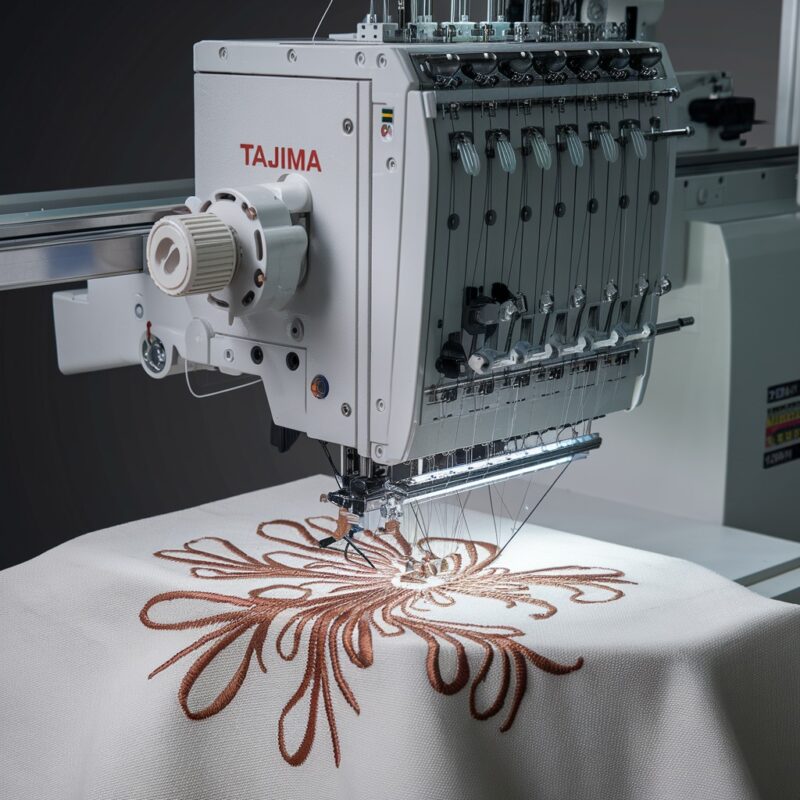
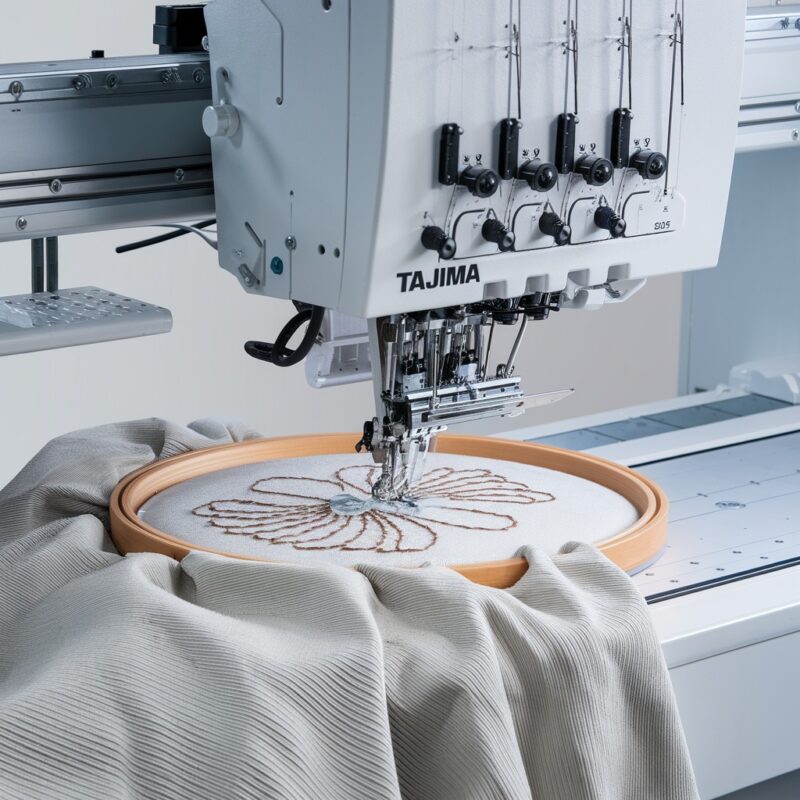
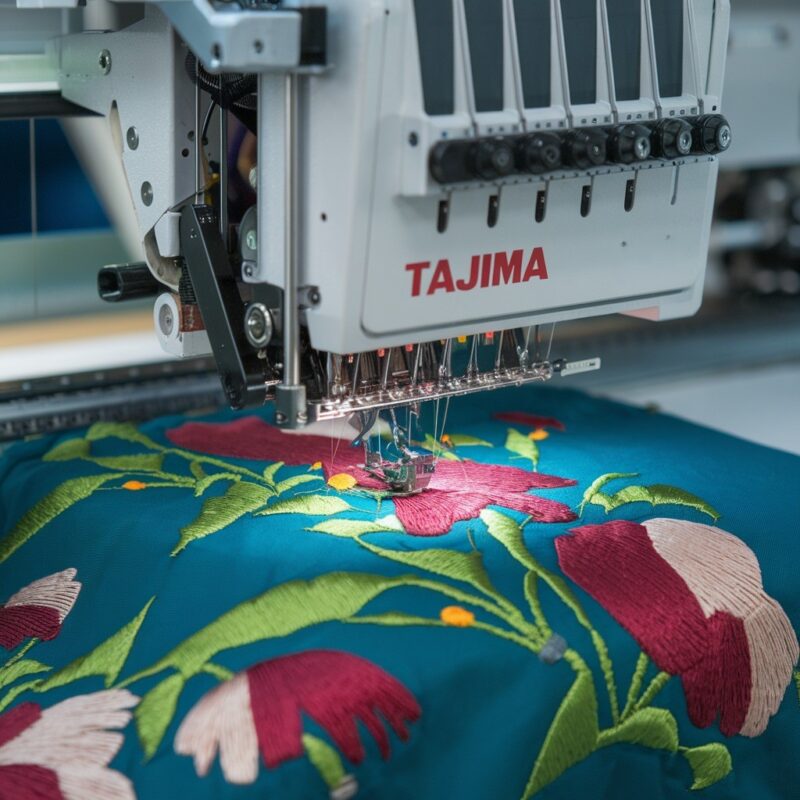
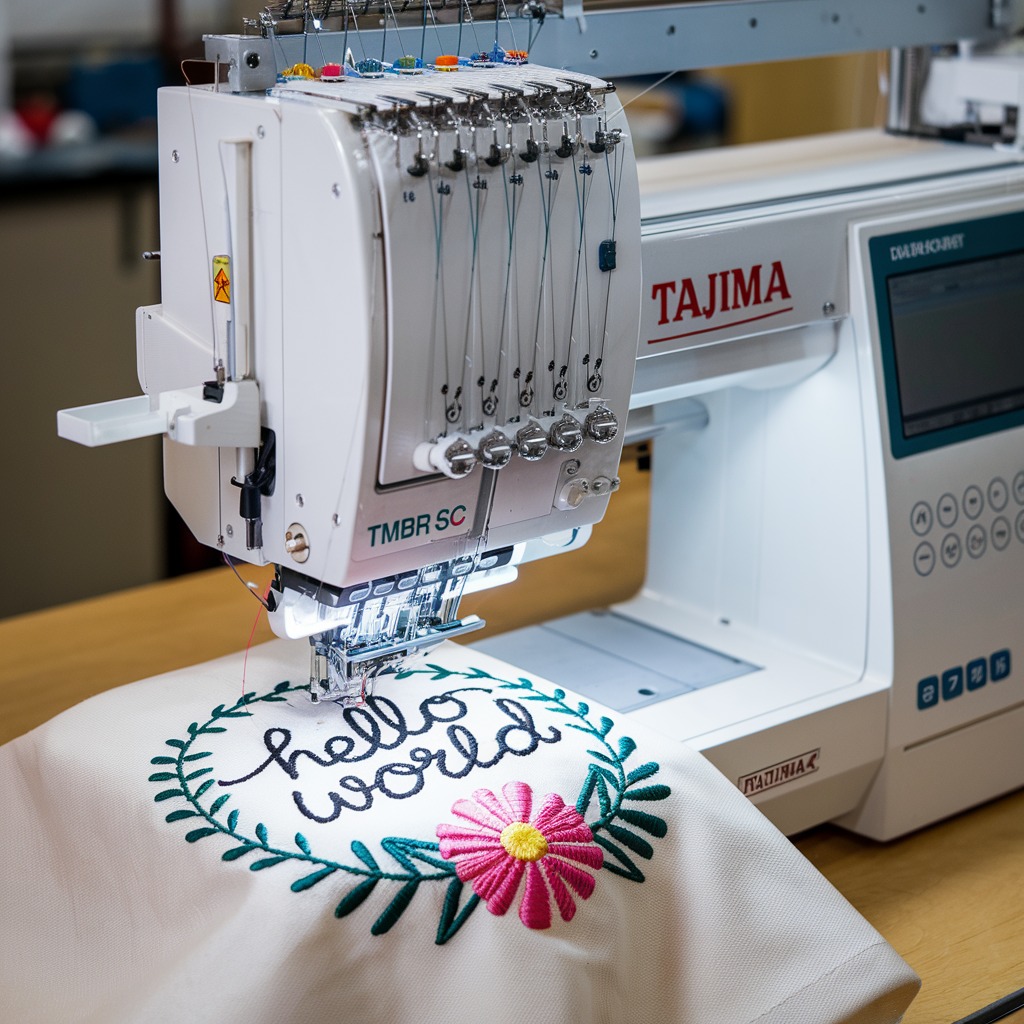
The Tajima Single-Head TMBR-SC Series is a powerful embroidery machine with advanced features like a digitally controlled presser foot, making it ideal for various fabrics and designs. However, one of the most frustrating issues that operators face is needle-breaking. This problem can bring your embroidery to a halt and even damage your fabric. Understanding the root causes of needle breaking and how to fix them will ensure smoother operations and better results.
Common Causes of Needle Breaking in the TMBR-SC Series
1. Incorrect Needle Type or Size
Using the wrong needle size or type for your fabric or thread can easily lead to needle breakage. Thicker fabrics or heavier threads require stronger needles, while finer fabrics need smaller, more delicate ones.
Solution:
- Select the correct needle size for the fabric and thread you’re using. For example, if you’re working on heavy materials like denim, use a larger needle (e.g., size 90/14 or 100/16). For lightweight fabrics, use a smaller needle (e.g., 70/10 or 75/11).
- Use needles specifically designed for embroidery, as these have a larger eye to accommodate embroidery threads and reduce friction.
2. Improper Needle Installation
A poorly installed or loose needle can bend, hit other machine parts, and break. Even if it’s only slightly misaligned, the needle may not penetrate the fabric properly, leading to breakage.
Solution:
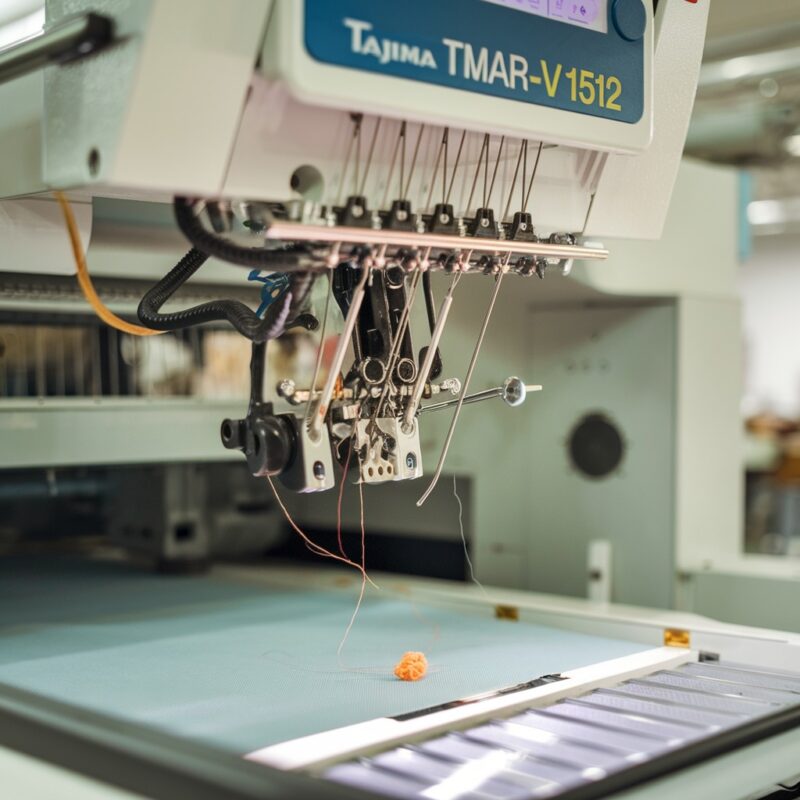
- Ensure that the needle is fully inserted and securely tightened. The flat side of the needle should face the back of the machine.
- Regularly check that the needle is straight and correctly aligned.
3. Digitally Controlled Presser Foot Issues
While the TMBR-SC’s digitally controlled presser foot offers precision, incorrect settings can put excessive pressure on the needle, causing it to break.
Solution:
- Adjust the presser foot height according to the thickness of the fabric. If the presser foot is set too low, it can force the fabric too tightly against the needle, leading to breakage.
- Ensure the presser foot is calibrated to the fabric‘s thickness before starting your embroidery work.
PROMOTIONAL SECTION
The All-in-One Solution For All Your Embroidery Business!
Enjoy $0.90 / 1000 Stitches Logo Digitizing
Monthly Cash Back, Free Delivery on Store-wide Products, Dedicated Account Manager, Exclusive Client Dashboard Panel, Bonus Credit & much more.
SIGN UP TODAY & GET FIRST 3 ORDER ABSOLUTELY FREE

Unlock game-changing benefits: expert digitizing services, technical embroidery guidance, seamless management of your business essentials, and free delivery on storewide products—all just for signing up with us. Don’t let these exclusive perks pass you by!

No Credit Card Required
Stay secure with no need to share your credit or debit card details! Experience 100% safe payment methods, including the option to purchase credits for your future orders. Plus, enjoy free credit as a bonus with every credit purchase and more exclusive benefits.

A Game-Changing Advantage
Imagine having a dedicated account manager by your side, ready to handle all your embroidery needs with precision and care. Whether it’s managing your digitizing orders, delivering essential embroidery supplies based on your every embroidery order, or sourcing those hard-to-find spare parts like motors, circuit boards, or sensors, we’ve got you covered. This incredible service ensures your business runs seamlessly, all at no extra cost or monthly fee.
It’s not just support—it’s the ultimate embroidery partnership you didn’t know you were missing for a $0 charge!
Exclusive Client Dashboard Panel
Get Free Account Setup (T&C Applied) and enjoy exclusive benefits: unlimited free estimate requests, streamlined order management, complimentary edit requests, 24/7 access to our ticket system, fast 6-12 hour turnaround times, round-the-clock email and live chat support, and 1-year free design file backup and more.

Recurring Monthly Cashback
Experience out of the box services with Cashback on monthly basis along with discount vouchers on Shop for Registered customers up to 60% on supplies, accessories, spare parts & sensors & Circuit boards and add extra value to your embroidery business.

Free Delivery on all Shop Products
Enjoy free delivery on embroidery supplies, accessories, spare parts, sensors & circuit boards, and store-products, delivered straight to your doorstep! Unlock this exclusive benefits by registering with us for all your digitizing needs. (Embroidery Machine Not Included)
4. Fabric Not Hooped Properly
Improperly hooped fabric can cause the material to shift during embroidery, forcing the needle to hit areas it shouldn’t, such as the hoop or the presser foot.
Solution:
- Ensure the fabric is tightly and evenly hooped, with no wrinkles or slack.
- For thicker fabrics or multiple layers, double-check that the hoop is secured properly and that the presser foot height is appropriate for the material.
5. Machine Speed Too High
Running the embroidery machine at high speeds, especially when working with thicker fabrics or complex designs, increases the risk of needle breakage.
Solution:
- Reduce the machine speed for thick fabrics, dense designs, or multiple layers of material. Slower speeds allow the needle to move through the fabric more smoothly and with less risk of breaking.
- For delicate designs or intricate patterns, operating at a lower speed gives the machine more control over needle movement.
6. Thread or Bobbin Tension Issues
Tension that’s too tight or too loose can create uneven force on the needle, causing it to bend or break, especially when combined with thicker fabrics.
Solution:
- Adjust the upper thread tension to match the fabric and thread type. Tighter tension is needed for heavier materials, while lighter fabrics need looser tension.
- Ensure the bobbin tension is balanced and that the bobbin is wound correctly. Irregular tension in the bobbin thread can pull the needle in unexpected ways, leading to breakage.
7. Needle Deflection
Needle deflection occurs when the needle hits the fabric at an angle, causing it to bend and eventually break. This can happen with thicker or stiffer fabrics, or when multiple layers are involved.
Solution:
- Use a stronger needle that can withstand deflection when working with thick or layered fabrics.
- Check the presser foot height and adjust it to prevent excessive pressure on the needle.
- Consider reducing the machine speed to avoid excessive bending of the needle during operation.
8. Incorrect Needle Threading Path
One often overlooked issue leading to needle breakage is an improper threading path. If the thread isn’t following the correct path through all the guides, tension disks, and thread sensors, it may create uneven tension, pulling the needle at an angle and causing it to break.
Solution:
- Carefully check the thread’s path to ensure it is following the correct route from the spool through all thread guides and tension disks.
- If you’re unsure, consult your machine’s manual for the correct threading diagram specific to the TMBR-SC Series.
- Regularly check for any blockages or misalignments in the thread path.
9. Bent or Worn-Out Needle
A needle may not always break suddenly; it can bend first, which weakens its structure. Bent needles are more prone to breaking, especially when they hit fabric or the needle plate at an angle. Additionally, needles wear out over time, becoming dull or even slightly deformed, leading to breakage.
Solution:
- Regularly inspect the needle for signs of bending or dullness. If the needle is not perfectly straight or appears to be worn out, replace it immediately.
- Always use a new needle for each new project, particularly when working on thick or tough fabrics. This helps maintain stitch quality and reduces the chances of breakage.
10. Wrong Embroidery Foot Setting
Even with the digitally controlled presser foot of the TMBR-SC Series, an improper setting can cause excessive pressure on the needle. This often happens when embroidering on thick or uneven materials, which puts extra stress on the needle as it moves through the fabric.
Solution:
- Adjust the presser foot height to match the thickness of the fabric. For thicker materials like denim or leather, a higher-pressure foot setting may be needed to reduce pressure on the needle.
- Use the digital presser foot control to fine-tune the pressure for delicate materials, preventing the needle from getting stuck or misaligned.
11. Machine Misalignment or Calibration Issues
Sometimes, the issue with needle breaking isn’t related to the needle or fabric but to the machine itself. If the machine is not properly calibrated or if parts like the needle plate, bobbin case, or presser foot are misaligned, the needle might be forced into awkward positions, causing it to break.
Solution:
- Have the machine regularly serviced by a professional technician to check for alignment issues. They can recalibrate the needle bar, needle plate, and presser foot to ensure smooth operation.
- If the machine has suffered any knocks or has been moved recently, misalignment could occur. Always check alignment after transporting the machine.
12. Fabric Density Variations
Embroidery designs often involve stitching over areas with varying fabric densities, such as seams, patches, or multilayered sections. When the needle hits a thicker section unexpectedly, the extra resistance can cause it to bend or break.
Solution:
- Slow down the machine when stitching over seams, patches, or thick layers. The slower speed gives the needle more control and reduces the chance of it snapping under pressure.
- Consider using a stronger needle for designs that involve stitching over multiple layers or dense fabric areas.
13. Incorrect Use of Specialty Threads
Specialty threads, such as metallic or thicker decorative threads, can put extra strain on the needle if they aren’t paired with the right needle type and size. The increased friction and tension may cause the needle to break more frequently.
Solution:
- Always use a needle specifically designed for the type of thread you’re using. For metallic threads, opt for needles with larger eyes and smoother surfaces to reduce friction.
- Adjust the tension and slow down the machine when using specialty threads to ensure the needle can handle the extra load.
14. Presser Foot Too Low
If the presser foot is set too low, especially with thicker fabrics, the needle may not have enough clearance to move freely, causing it to bend or break.
Solution:
- Increase the height of the digitally controlled presser foot when embroidering on thicker or uneven fabrics. This will allow the needle to move through the fabric without excessive pressure or deflection.
- Always test the presser foot setting on a scrap piece of fabric before starting the main project to ensure the needle can move freely.
15. Needle Plate Damage
A damaged or worn-out needle plate can cause the needle to hit the plate improperly, leading to breakage. Small burrs, scratches, or dents in the plate can catch the needle, especially during high-speed embroidery.
Solution:
- Inspect the needle plate regularly for signs of wear, scratches, or dents. If any damage is found, replace the plate.
- Using a damaged plate may lead to repeated needle breakage, which could further damage the machine or the project fabric.
16. Machine Maintenance and Lubrication
Lack of regular maintenance can lead to parts of the machine sticking or malfunctioning, which may result in uneven needle movement and breakage.
Solution:
- Follow Tajima‘s recommended maintenance schedule to keep the machine properly lubricated and in optimal working condition.
- Clean the machine after each use, paying special attention to the areas around the needle, presser foot, and bobbin case to prevent dust or lint buildup that can affect machine operation.
Conclusion
Needle breaking on the Tajima TMBR-SC Series can be caused by various factors, from improper needle selection and threading to machine misalignment and fabric density issues. By addressing these common causes, you can minimize downtime, reduce frustration, and ensure smooth, high-quality embroidery results. Regular maintenance, proper settings, and attention to detail will keep your Tajima machine running efficiently and extend the life of both the machine and your needles.