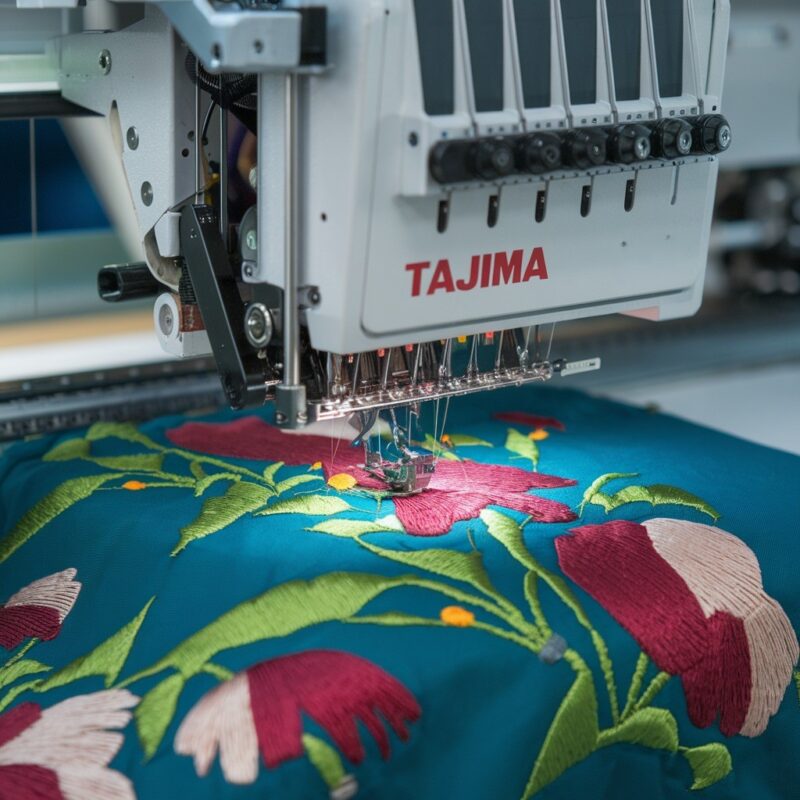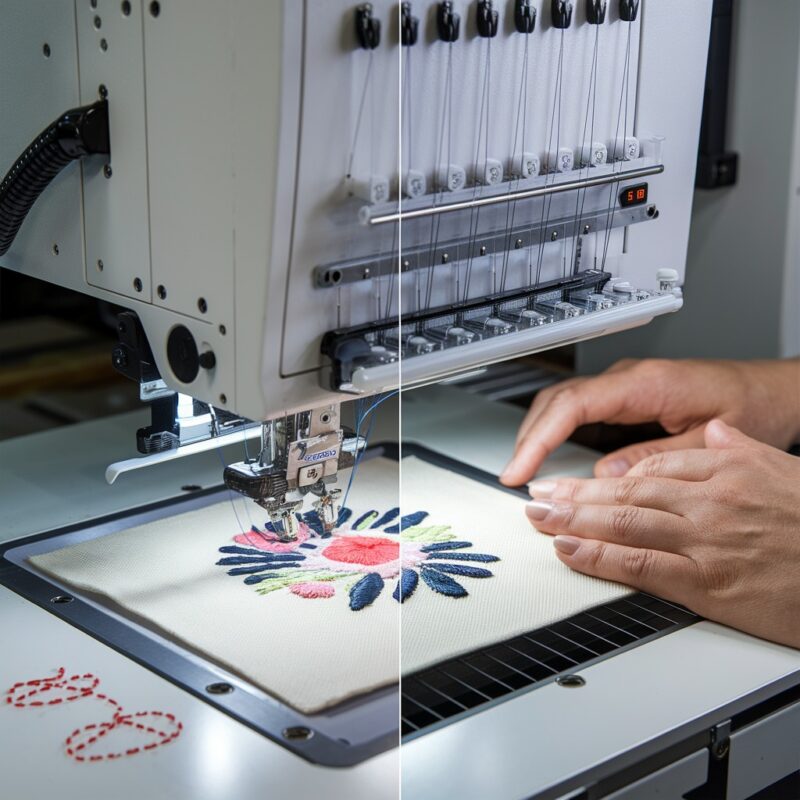
Hikone Embroidery Machine: Common Errors in Needle Breaking and Solutions

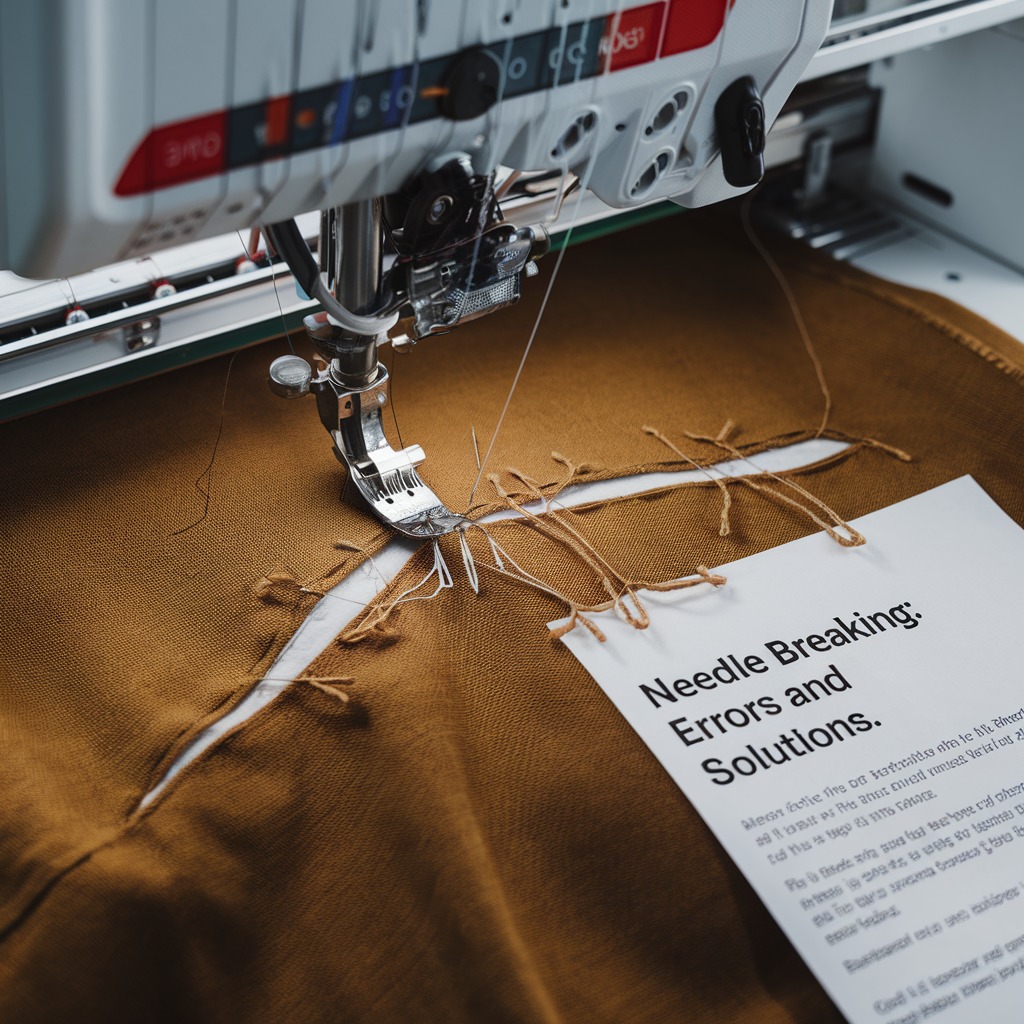
Hikone Embroidery Machine: Common Errors in Needle Breaking and Solutions
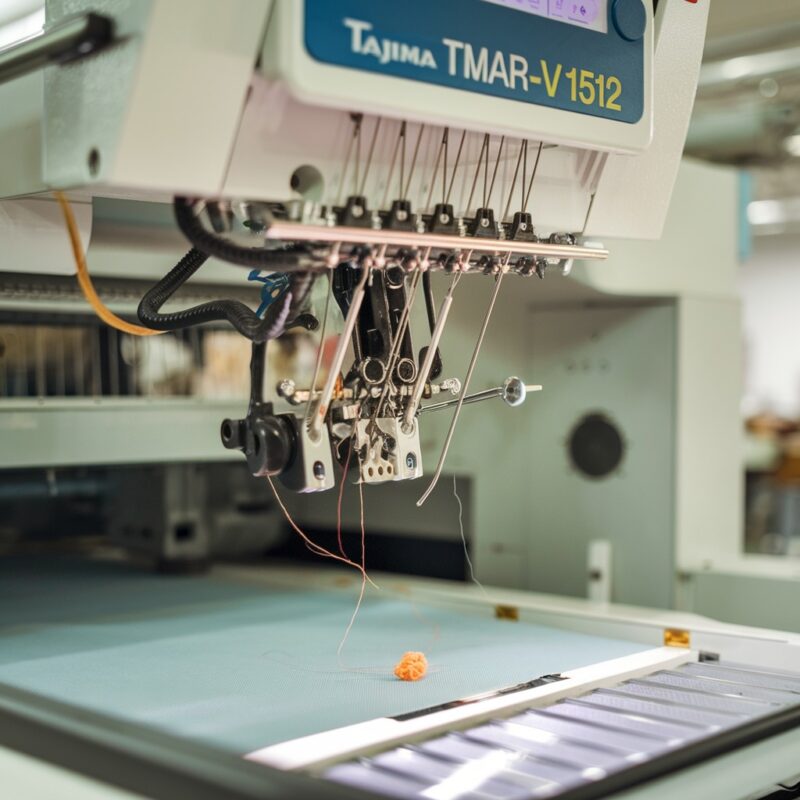
Needle breaking is a common and frustrating issue encountered by users of Hikone embroidery machines. When the needle breaks, it can disrupt your workflow and damage the fabric, leading to wasted time and resources. Understanding the causes of needle breakage and applying the appropriate solutions can help ensure a smooth and efficient embroidery process.
Common Causes of Needle Breaking in Hikone Embroidery Machines
- Incorrect Needle Size
Using the wrong needle size for the type of fabric or thread can lead to excessive pressure, causing the needle to break during stitching. - Bent or Damaged Needle
A bent or worn-out needle can create uneven pressure, increasing the likelihood of it snapping during high-speed stitching. - Improper Needle Installation
If the needle is not installed correctly, it can collide with other parts of the machine, such as the needle plate, and break. - Tight Fabric Tension
When the fabric is stretched too tightly in the hoop, it can cause resistance during stitching, leading to needle breakage.
PROMOTIONAL SECTION
The All-in-One Solution For All Your Embroidery Business!
Enjoy $0.90 / 1000 Stitches Logo Digitizing
Monthly Cash Back, Free Delivery on Store-wide Products, Dedicated Account Manager, Exclusive Client Dashboard Panel, Bonus Credit & much more.
SIGN UP TODAY & GET FIRST 3 ORDER ABSOLUTELY FREE

Unlock game-changing benefits: expert digitizing services, technical embroidery guidance, seamless management of your business essentials, and free delivery on storewide products—all just for signing up with us. Don’t let these exclusive perks pass you by!

No Credit Card Required
Stay secure with no need to share your credit or debit card details! Experience 100% safe payment methods, including the option to purchase credits for your future orders. Plus, enjoy free credit as a bonus with every credit purchase and more exclusive benefits.

A Game-Changing Advantage
Imagine having a dedicated account manager by your side, ready to handle all your embroidery needs with precision and care. Whether it’s managing your digitizing orders, delivering essential embroidery supplies based on your every embroidery order, or sourcing those hard-to-find spare parts like motors, circuit boards, or sensors, we’ve got you covered. This incredible service ensures your business runs seamlessly, all at no extra cost or monthly fee.
It’s not just support—it’s the ultimate embroidery partnership you didn’t know you were missing for a $0 charge!Exclusive Client Dashboard Panel
Get Free Account Setup (T&C Applied) and enjoy exclusive benefits: unlimited free estimate requests, streamlined order management, complimentary edit requests, 24/7 access to our ticket system, fast 6-12 hour turnaround times, round-the-clock email and live chat support, and 1-year free design file backup and more.

Recurring Monthly Cashback
Experience out of the box services with Cashback on monthly basis along with discount vouchers on Shop for Registered customers up to 60% on supplies, accessories, spare parts & sensors & Circuit boards and add extra value to your embroidery business.

Free Delivery on all Shop Products
Enjoy free delivery on embroidery supplies, accessories, spare parts, sensors & circuit boards, and store-products, delivered straight to your doorstep! Unlock this exclusive benefits by registering with us for all your digitizing needs. (Embroidery Machine Not Included)
- Incorrect Threading
Incorrectly threading the machine can create imbalanced tension, which may cause the needle to snap as it interacts with the thread. - Hitting a Hoop or Frame
Accidentally hitting the embroidery hoop or frame with the needle is a common cause of needle breakage, especially when working on larger designs.
Solutions to Needle Breaking in Hikone Embroidery Machines
- Use the Correct Needle Size
Always choose the right needle size for the type of fabric and thread you are working with. Consult your Hikone machine’s user manual to determine the appropriate needle for the project. For thicker fabrics, opt for a larger needle. - Replace Bent or Worn Needles
Regularly inspect the needle for any signs of wear or bending. Replace the needle after every large project or when it becomes dull, as this helps prevent breakage. - Ensure Proper Needle Installation
When installing a new needle, make sure it is fully inserted with the flat side facing the correct direction, as per your machine‘s manual. A properly installed needle reduces the risk of it hitting other components. - Adjust Fabric Tension
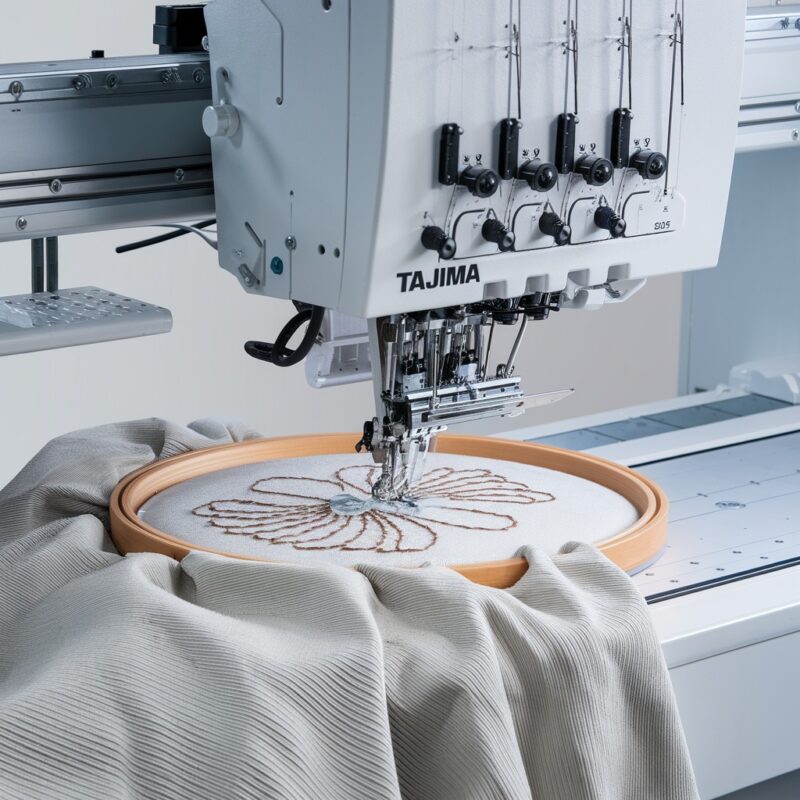
Ensure the fabric is securely hooped but not overly stretched. Over-tightening the fabric can cause resistance during stitching, putting unnecessary stress on the needle. - Re-Thread the Machine
If the needle breaks frequently, check the threading of the machine. Ensure the thread is following the correct path through all guides and tensioners without tangling. - Avoid Hitting the Hoop
Make sure the hoop is correctly positioned, and avoid bringing the needle too close to the edges of the hoop or frame to prevent accidental collisions.
Preventive Tips to Avoid Needle Breakage
- Slow Down the Stitching Speed: Reducing the machine’s stitching speed can help lower the chances of the needle breaking, especially when working on thicker fabrics or complex designs.
- Use a Suitable Stabilizer: A good stabilizer helps prevent fabric movement, which can reduce the stress on the needle during stitching.
- Lubricate and Clean Your Machine: Regular maintenance of your Hikone embroidery machine, including cleaning and lubrication, will keep the machine in top condition, minimizing the chance of issues that could lead to needle breakage.
Conclusion
Needle breaking is a common but avoidable issue in Hikone embroidery machines. By using the correct needle size, ensuring proper installation, adjusting fabric tension, and regularly maintaining the machine, you can significantly reduce the risk of needle breakage. Keep these solutions in mind to ensure smooth and efficient embroidery without disruptions.