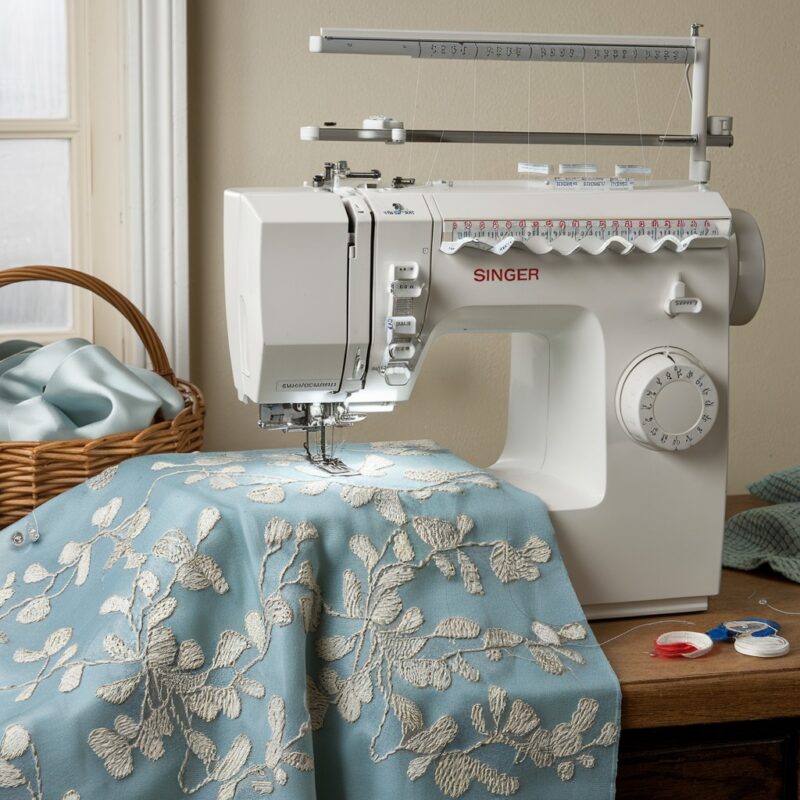
Errors and Solutions for Thread Breakage in Tajima TMBP-SC Series Embroidery Machines


Errors and Solutions for Thread Breakage in Tajima TMBP-SC Series Embroidery Machines
The Tajima TMBP-SC Series single-head compact embroidery machines are known for their reliability and precision, but even these top-of-the-line models can occasionally face issues like thread breakage. This can be frustrating when you’re in the middle of a project, but understanding the root causes and solutions can help you avoid delays and maintain smooth operations. Let’s explore the common reasons behind thread breakage and what you can do to fix it.
1. Incorrect Thread Tension
One of the primary reasons for thread breakage in any embroidery machine is incorrect thread tension. If the upper thread is too tight or too loose, it can cause the thread to snap, leading to wasted time and resources.

Solution:
- Adjust the upper thread tension to achieve a smooth, even stitch. If you’re unsure, do a few test stitches on scrap fabric to get the tension just right. Ideally, the tension should allow the top and bobbin threads to lock evenly in the fabric without pulling too tight.
2. Damaged or Worn Needle
A damaged or dull needle can be another culprit behind frequent thread breakage. When the needle becomes bent or worn out, it can create friction, causing the thread to fray and eventually break.
Solution:
- Always check the needle before starting a new project. If the needle appears bent or dull, replace it with a new one. Make sure you’re using the correct needle size for the type of fabric you’re working with.
3. Poor-quality or Old Thread
Using old or low-quality thread can easily result in thread breakage. Threads that are weak, frayed, or of poor quality can snap under the stress of embroidery.
Solution:
- Invest in high-quality, embroidery-specific thread that is known for its strength and durability. If you’re using a thread that has been in storage for a long time, test it on a small project first to ensure it’s still in good condition.
4. Incorrect Threading
Improper threading can cause the thread to catch or tangle, leading to frequent breakage during operation. This is a common mistake, especially for beginners or when you’re in a rush to complete a project.
Solution:
- Carefully rethread the upper thread, making sure it passes through every guide, tension disc, and thread path correctly. Double-check the threading diagram in the machine’s manual if needed. Proper threading can significantly reduce thread breakage.
5. Thread Catching in the Bobbin Area
Sometimes, lint or debris in the bobbin area can cause the thread to snag, leading to breakage. Regular cleaning of this area is crucial to maintaining smooth thread flow.
Solution:
- Clean the bobbin case and the surrounding area regularly. Use a small brush or canned air to remove any dust, lint, or thread pieces that may have accumulated. Ensure the bobbin is wound and inserted correctly to avoid tension issues.
6. Thread Quality Incompatibility with Needle Size
Using a thread that is incompatible with the needle size can lead to excessive tension, causing the thread to break. For instance, thicker threads may not pass smoothly through smaller needle eyes, while finer threads may fray when used with larger needles.
Solution:
- Match the needle size to the thread thickness. For thicker threads, use larger needles with larger eyes to reduce friction. Conversely, use smaller needles for finer threads. Consult your machine manual or thread manufacturer’s guidelines for recommended thread-to-needle combinations.
7. Tension Disc Issues
Thread can sometimes slip out of place or become tangled around the tension discs, especially if not threaded properly. This can create uneven tension that leads to thread breakage during embroidery.
Solution:
- Recheck the threading of the upper thread through the tension discs. Ensure it’s sitting correctly between the tension plates and that no debris or lint is interfering with the tension mechanism. Regularly clean the tension discs with compressed air or a soft brush to remove dust buildup.
8. Thread Path Obstructions
Over time, debris, lint, or thread remnants can accumulate in the thread guides, causing blockages that lead to breakage as the thread is pulled through. This is especially true for machines that are used frequently without regular maintenance.
Solution:
- Inspect the entire thread path regularly, from the spool holder to the needle. Clear any blockages or lint buildup that could cause friction or tangling. Regular cleaning will ensure a smooth flow of thread and reduce the chance of breakage.
9. Tension Too Tight on the Bobbin Thread
While much focus is given to the upper thread tension, the bobbin thread tension also plays an important role in preventing thread breakage. If the bobbin thread tension is too tight, it can create uneven pulling on the upper thread, leading to breaks.
Solution:
- Adjust the bobbin thread tension by turning the small screw on the bobbin case. Make tiny adjustments and test on scrap fabric until the tension feels balanced with the upper thread. Both threads should interlock smoothly in the middle of the fabric without pulling.
10. Spool Cap Issues
The spool cap holds the thread spool in place, and if it’s not positioned properly, it can cause the thread to unwind unevenly, resulting in tangling or breakage. This is a common problem when using a spool that is too large or too small for the cap.
Solution:
- Use the correct size spool cap for the thread spool being used. Ensure that the spool spins freely as the machine runs and that the cap holds the thread spool firmly in place without squeezing it too tightly.
11. Incorrect Use of Stabilizers
In some cases, improper or insufficient use of stabilizers can create tension inconsistencies, especially with delicate or stretchy fabrics. This can cause the thread to break more easily during stitching.
Solution:
- Use the right type of stabilizer according to the fabric you’re embroidering. A firmer, more appropriate stabilizer helps hold the fabric in place and reduces tension on the thread, minimizing breakage.
12. Thread Unwinding Improperly from the Spool
If the thread spool is improperly placed or spinning unevenly, it can cause knots or tangles in the thread path, leading to breaks. Sometimes, spools that are not secured or wound correctly cause the thread to catch as it unwinds.
Solution:
- Check the spool positioning and make sure it is placed properly on the machine. Ensure the spool can unwind freely without jerking or stopping. Use a thread net for slippery or specialty threads to prevent them from unraveling too quickly.
13. Worn-Out or Dirty Tension Springs
The tension spring controls the smooth flow of thread through the tension discs. Over time, tension springs can wear out or become coated with debris, affecting their ability to control tension properly and leading to thread breakage.
Solution:
- Inspect the tension springs for signs of wear or dirt. Clean them gently with a cloth or compressed air, and replace them if they are damaged or no longer functioning correctly. Keeping the tension spring in good condition ensures even thread tension.
Conclusion
Thread breakage is a common challenge faced by many embroiderers using the Tajima TMBP-SC Series machines, but it can be managed with a few proactive steps. Regular maintenance, using the right thread and needle combinations, ensuring proper threading, and adjusting tension settings can significantly reduce thread breaks. By keeping your machine clean and following best practices, you’ll experience smoother stitching and more productive embroidery sessions.