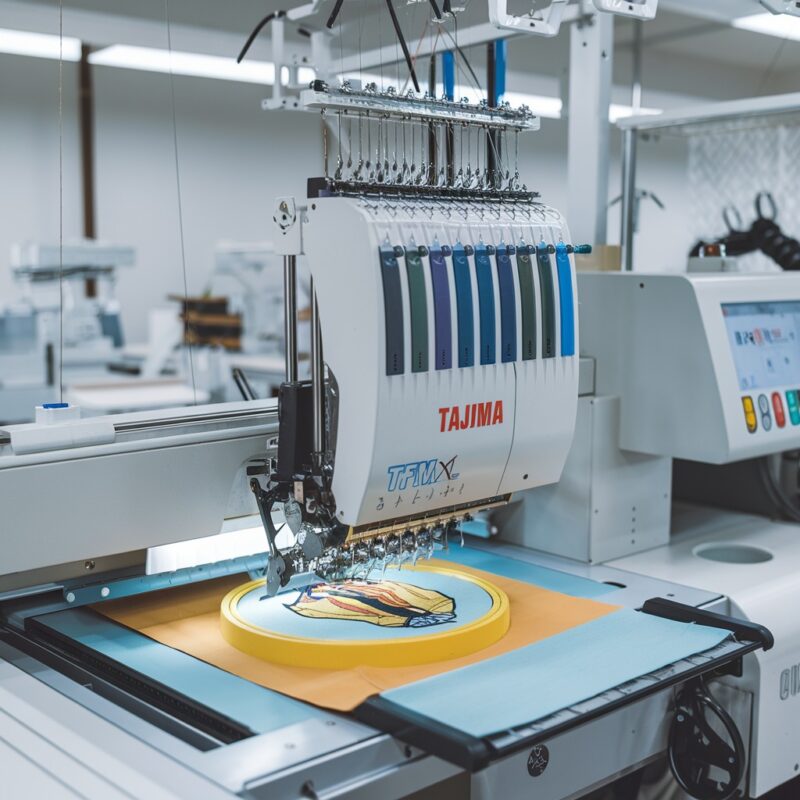
Tajima Embroidery Machine: Common Errors in Uneven Stitch Quality and Solutions


Tajima Embroidery Machine: Common Errors in Uneven Stitch Quality and Solutions
The uneven stitch quality is a common issue encountered by Tajima embroidery machine users, leading to poor embroidery results. Whether it’s irregular stitch lengths, inconsistent tension, or loose threads, these errors can detract from the overall appearance of your embroidery projects. In this blog, we’ll dive into the common causes of uneven stitch quality on Tajima machines and provide practical solutions to help you maintain consistent and professional-looking stitches.
Common Causes and Solutions for Uneven Stitch Quality
- Incorrect Thread Tension
Cause: Imbalanced thread tension, either in the upper thread or bobbin, can cause stitches to appear uneven or inconsistent.
Solution: - Worn or Damaged Needles
Cause: A dull, bent, or worn-out needle can cause irregular stitch quality by not piercing the fabric properly, resulting in skipped stitches or uneven stitching.
Solution:- Replace needles regularly, especially if they show signs of wear. Always use the correct needle type and size for the fabric. For general embroidery, a size 75/11 or 80/12 needle works well.
- Poor Quality or Incompatible Thread
Cause: Using poor-quality or incompatible thread can lead to fraying, snapping, or inconsistent stitch formation.
Solution:- Use high-quality embroidery threads designed for use with Tajima machines. Ensure the thread is compatible with the needle and fabric being used to achieve smooth, even stitches.
- Use high-quality embroidery threads designed for use with Tajima machines. Ensure the thread is compatible with the needle and fabric being used to achieve smooth, even stitches.
- Fabric Not Hooped Tightly
Cause: If the fabric is not hooped tightly, it can move during stitching, resulting in uneven stitch quality and misaligned patterns.
Solution:- Ensure the fabric is hooped securely and evenly. The fabric should be taut in the hoop without being overstretched. For more challenging fabrics, use a stabilizer to reduce movement during stitching.
- Improper Machine Maintenance
Cause: A lack of regular maintenance, such as cleaning and oiling, can cause machine components to wear out, leading to uneven stitching.
Solution:- Follow the manufacturer’s guidelines for machine maintenance. Regularly clean out lint, dust, and debris from the bobbin case and needle area. Lubricate the machine as required to keep it running smoothly.
- Worn Feed Dogs or Presser Foot
Cause: Worn-out feed dogs or a misaligned presser foot can affect how the fabric feeds through the machine, resulting in uneven stitches.
Solution:- Inspect and replace worn feed dogs or adjust the presser foot height. Ensure the presser foot is applying consistent pressure on the fabric to promote smooth feeding.
- Inconsistent Bobbin Threading
Cause: If the bobbin is not threaded correctly or is unevenly wound, it can lead to inconsistent stitches and tension problems.
Solution:- Check that the bobbin is wound evenly and inserted correctly into the bobbin case. Ensure that the bobbin tension is properly adjusted to match the upper thread tension.
- Incorrect Stabilizer Use
Cause: Using the wrong type or weight of stabilizer can cause the fabric to shift or stretch, leading to uneven stitch quality.
Solution:- Select the appropriate stabilizer based on the fabric type. Lightweight fabrics require more support, so use a cut-away stabilizer or double layers of stabilizer to prevent shifting.
- Machine Speed Set Too High
Cause: Running the machine at too high of a speed can cause the fabric to shift or the stitches to become uneven.
Solution:- Reduce the machine speed for complex designs or when using difficult fabrics. Slower speeds allow for more precise stitching and can help maintain stitch quality.

Proactive Tips for Consistent Stitch Quality
- Conduct Regular Machine Maintenance: Clean your machine often, change needles regularly, and use quality thread to ensure smooth operation.
- Perform Test Stitches: Before starting a project, test the stitch quality on a scrap piece of the same fabric to identify any tension or stitch length issues.
- Ensure Proper Hooping: Always hoop your fabric correctly and use stabilizers when needed to reduce fabric movement during stitching.
- Use Correct Needle and Thread: Match the needle size and thread type to the fabric for optimal stitching.
Conclusion
Achieving consistent stitch quality on a Tajima embroidery machine requires careful attention to thread tension, machine maintenance, and fabric handling. By following the outlined solutions and proactive measures, you can overcome common issues related to uneven stitch quality and produce professional-grade embroidery results.