Pfaff Embroidery Machine Bird’s Nesting & How to Solve Them


Pfaff Embroidery Machine Bird’s Nesting (Thread Jamming Under Fabric) & How to Solve Them
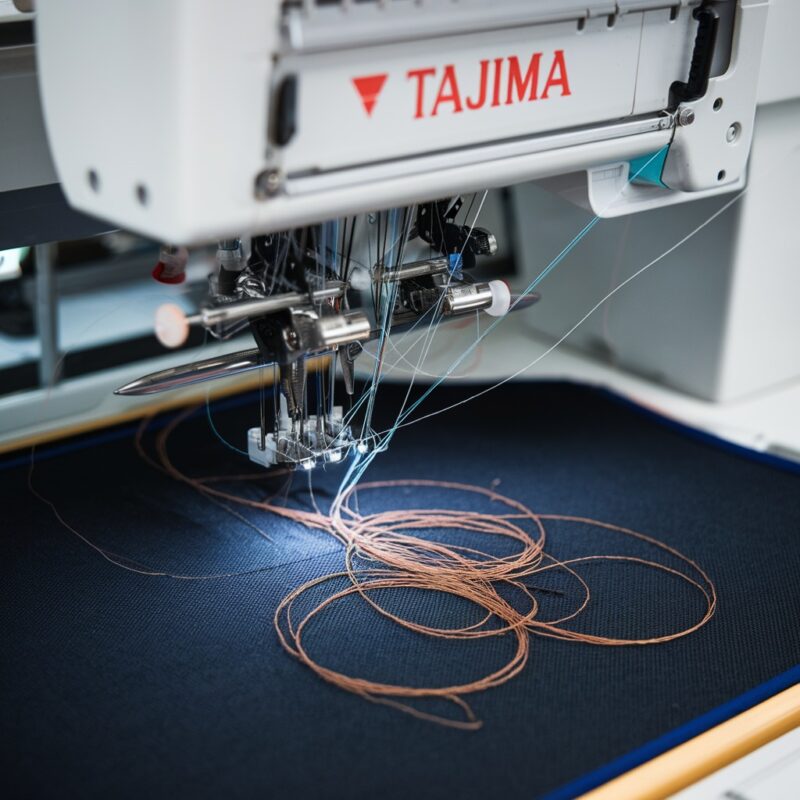
Bird’s nesting, or thread jamming under fabric, is one of the most frustrating issues embroiderers face. It disrupts your project, leads to wasted thread, and can even damage your fabric. This common problem occurs when thread builds up under the fabric, creating a tangled mess that stalls your machine. In this blog, we’ll explore the common causes of bird nesting and provide professional solutions to help you prevent it.
1. Incorrect Threading of the Upper Thread
Error: One of the main causes of bird’s nesting is improper threading of the upper thread. Skipping a thread guide or failing to follow the correct path can cause tension issues, resulting in thread bunching underneath the fabric.

Solution:
- Re-thread the upper thread carefully, following the machine‘s manual to ensure it’s done correctly. Check that the thread flows smoothly through each guide and tension disc.
- Gently pull the thread through the needle to ensure there’s no resistance or tangling.
2. Bobbin Case Issues
Error: A poorly wound or incorrectly placed bobbin can cause thread jamming. If the bobbin thread isn’t feeding smoothly, it may result in a buildup of thread underneath the fabric.
Solution:
- Ensure the bobbin is correctly wound and placed in the bobbin case. The thread should unwind smoothly in the correct direction.
- Clean the bobbin case regularly to remove lint or debris, and check for any damage that may be affecting the thread’s movement.
3. Incorrect Thread Tension
Error: Incorrect thread tension, especially when the upper tension is too loose, can cause the thread to bunch up under the fabric. This is a common cause of bird nesting.
Solution:
- Adjust the upper thread tension to suit your fabric and thread type. Test the tension on a scrap piece of fabric to ensure the stitches are even on both sides.
- Ensure the bobbin tension is also correctly set, as a mismatch between upper and bobbin tension can contribute to the problem.
4. Skipping the Tension Disc
Error: When threading the machine, if the thread does not properly engage with the tension discs, it may lead to thread feeding issues and cause jamming under the fabric.
Solution:
- When threading, make sure the thread passes through the tension discs securely. Some machines have a spring-loaded tensioner—ensure it clicks into place as you thread the machine.
- Run a finger along the thread path to check if the thread is properly seated in the tension mechanism.
5. Hooping Issues
Error: If the fabric is not properly hooped or if the fabric shifts during stitching, it can cause the needle to pull unevenly, leading to thread bunching and bird nesting.
Solution:
- Hoop the fabric tightly and ensure it stays taut during the embroidery process. The fabric should be secure enough that it doesn’t move during stitching.
- Consider using stabilizers to hold the fabric in place, especially with delicate or stretchy materials.
6. Needle Issues
Error: A dull or bent needle may struggle to penetrate the fabric properly, which can result in thread jamming underneath the fabric.
Solution:
- Replace your needle regularly, especially after prolonged use or if you notice it hitting the fabric incorrectly. A fresh, sharp needle reduces the risk of a bird’s nesting.
- Use the correct needle type and size for your project, ensuring it matches your fabric and thread.
7. Incorrect Bobbin Tension
Error: Improperly set bobbin tension can cause the lower thread to loop and jam under the fabric, contributing to the bird’s nesting.
Solution:
- Adjust the bobbin tension according to your machine‘s manual. A balanced tension should create even stitches on both sides of the fabric, with no visible looping.
- Use high-quality bobbin thread that feeds smoothly to minimize tension issues.
8. Dirty Machine
Error: Lint, dust, or old thread remnants inside your machine can cause jamming and bird nesting, as they obstruct smooth thread movement.
Solution:
- Clean your machine regularly, particularly around the bobbin case, and feed dogs. Use a small brush or compressed air to remove debris.
- Ensure all moving parts are well-oiled according to the manufacturer’s guidelines.
Advanced Solutions for Bird’s Nesting in Pfaff Machines
1. Inspect and Replace the Needle Plate
- Problem: A damaged or scratched needle plate can snag the thread, causing tangles.
- Solution:
2. Use the Right Stabilizer
- Problem: Using an unsuitable or inadequate stabilizer can cause fabric shifting, leading to thread tangles underneath.
- Solution:
- Choose a stabilizer that matches your fabric type and design density. For instance:
- Lightweight fabrics: Use a tear-away stabilizer.
- Stretchy fabrics: Use a cut-away or adhesive stabilizer.
- Layer multiple stabilizers if the design is particularly intricate.
- Choose a stabilizer that matches your fabric type and design density. For instance:
3. Perform a Full Tension Calibration
- Problem: If manual tension adjustments aren’t resolving the issue, the tension system may require recalibration.
- Solution:
4. Update or Reset Machine Settings
- Problem: Outdated firmware or incorrect settings can cause the machine to mismanage thread flow, resulting in bird’s nesting.
- Solution:
5. Check the Bobbin Case and Hook Assembly
- Problem: A misaligned or damaged bobbin case or hook assembly can disrupt thread tension and lead to tangling.
- Solution:
- Remove the bobbin case and inspect it for wear or deformation. Replace it if necessary.
- Ensure the hook assembly is clean, aligned, and free from debris.
6. Verify Embroidery File Integrity
- Problem: Corrupt or overly complex embroidery designs can overload the machine, causing thread mishandling.
- Solution:
- Preview embroidery designs on your machine to ensure they load and run properly.
- Simplify designs with fewer stitch types or adjust stitch density using embroidery software.
Preventing Bird’s Nesting with Proactive Measures
- Use High-Quality Accessories: Cheap threads, needles, and bobbins often lead to inconsistent performance. Always use trusted brands compatible with your Pfaff machine.
- Regularly Check the Thread Path: Make a habit of inspecting the threading path before every project to ensure all threads are properly aligned.
- Perform Routine Machine Maintenance:
Conclusion: Prevent Bird’s Nesting & Keep Your Machine Running Smoothly
Bird’s nesting can be frustrating, but with a few simple adjustments and regular maintenance, you can prevent it from derailing your embroidery projects. By properly threading your machine, keeping tension settings in check, and maintaining a clean machine, you can significantly reduce the chances of thread jamming under the fabric. With these tips, you’ll enjoy smooth, uninterrupted stitching and beautiful embroidery results.