Tajima Embroidery Machine: Common Errors of Thread Breakage and Solutions

Tajima Embroidery Machine: Common Errors of Thread Breakage and Solutions
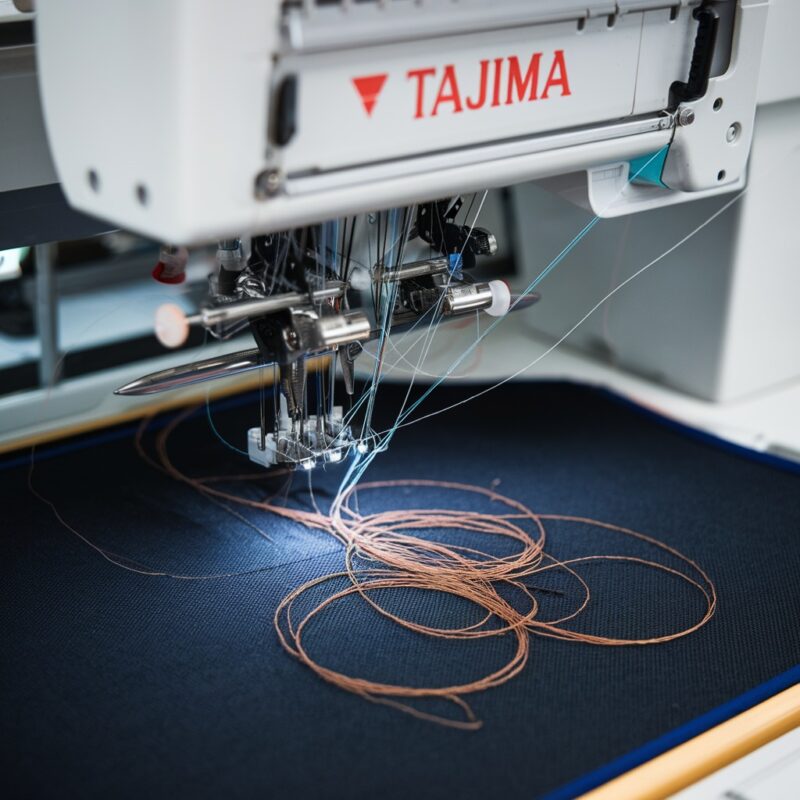
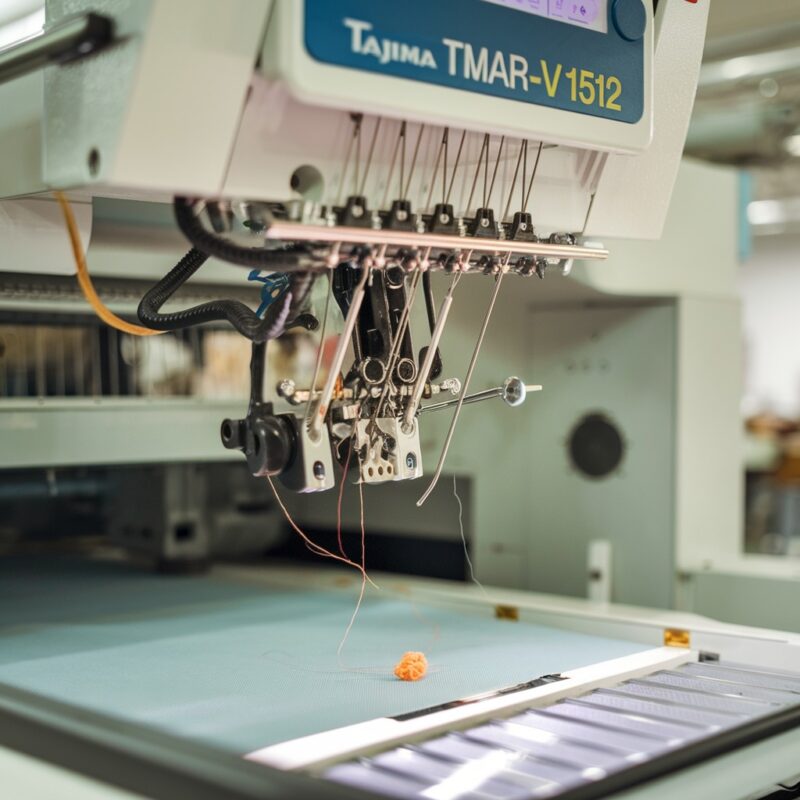
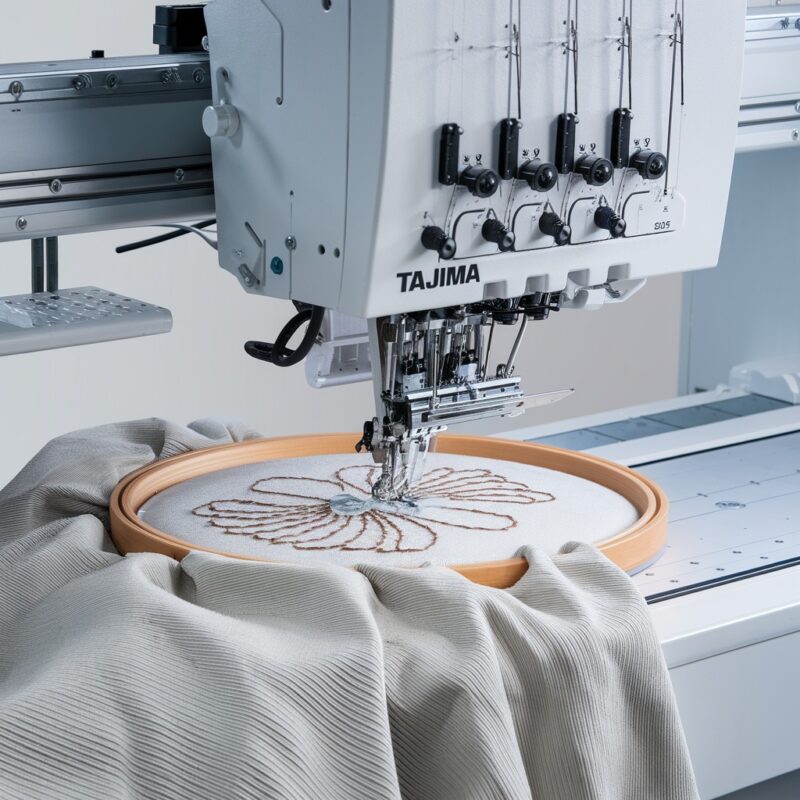
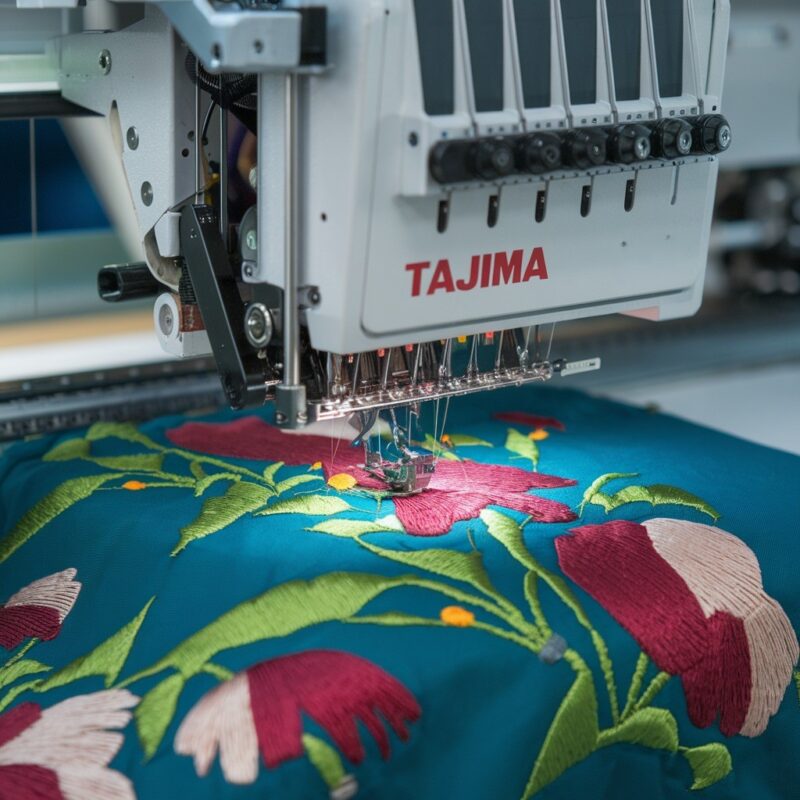
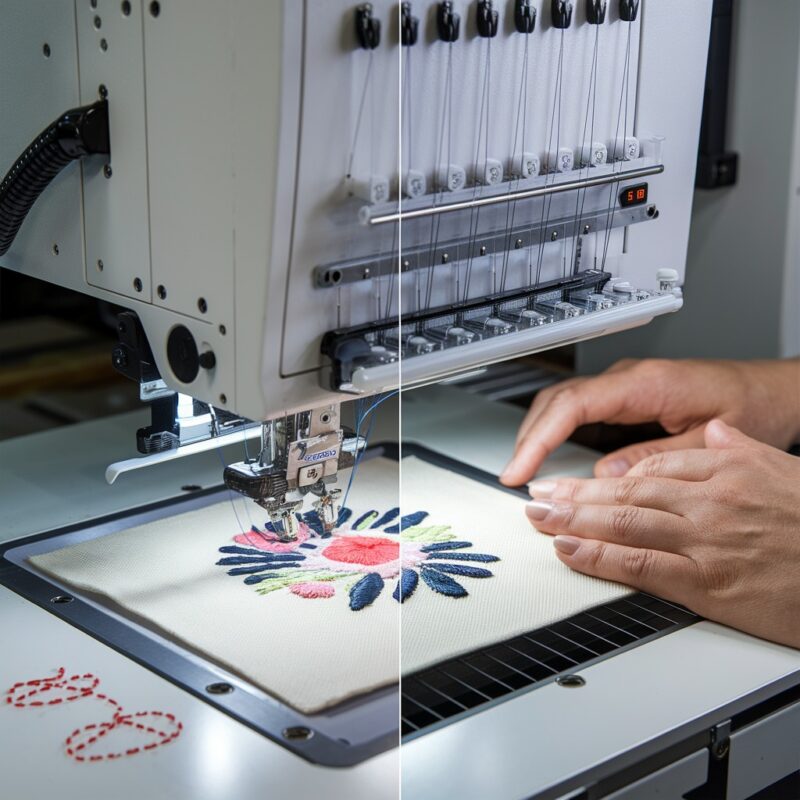
Thread breakage is a frequent problem for Tajima embroidery machine users. This issue not only disrupts the flow of work but can also affect the overall quality of your embroidery projects. Identifying the root cause and implementing the correct solution can significantly reduce the chances of thread breakage.
-
Incorrect Thread Tension
Thread tension that’s too tight or too loose can cause thread breakage during embroidery.
Solution:
- Adjust the thread tension until it’s properly balanced. Perform a test run to check the stitch quality.
-
Poor-Quality Thread
Low-quality threads can easily snap, especially when working on high-speed embroidery machines like Tajima.
Solution:- Invest in high-quality threads specifically designed for embroidery machines. Brands such as Madeira or Isacord are reliable choices.
-
Damaged or Worn Needles
A bent or worn needle can cause the thread to snap by creating excessive friction.
Solution:- Regularly inspect your needles for damage. Replace them if they are bent, dull, or have burrs that could cause thread damage.
- Regularly inspect your needles for damage. Replace them if they are bent, dull, or have burrs that could cause thread damage.
-
Incorrect Needle Size
Using a needle that’s too small or incompatible with the thread type can result in frequent thread breakage.
Solution:- Always use the correct needle size and type that corresponds with the thickness and type of thread you are using. For example, thicker threads require larger needles.
-
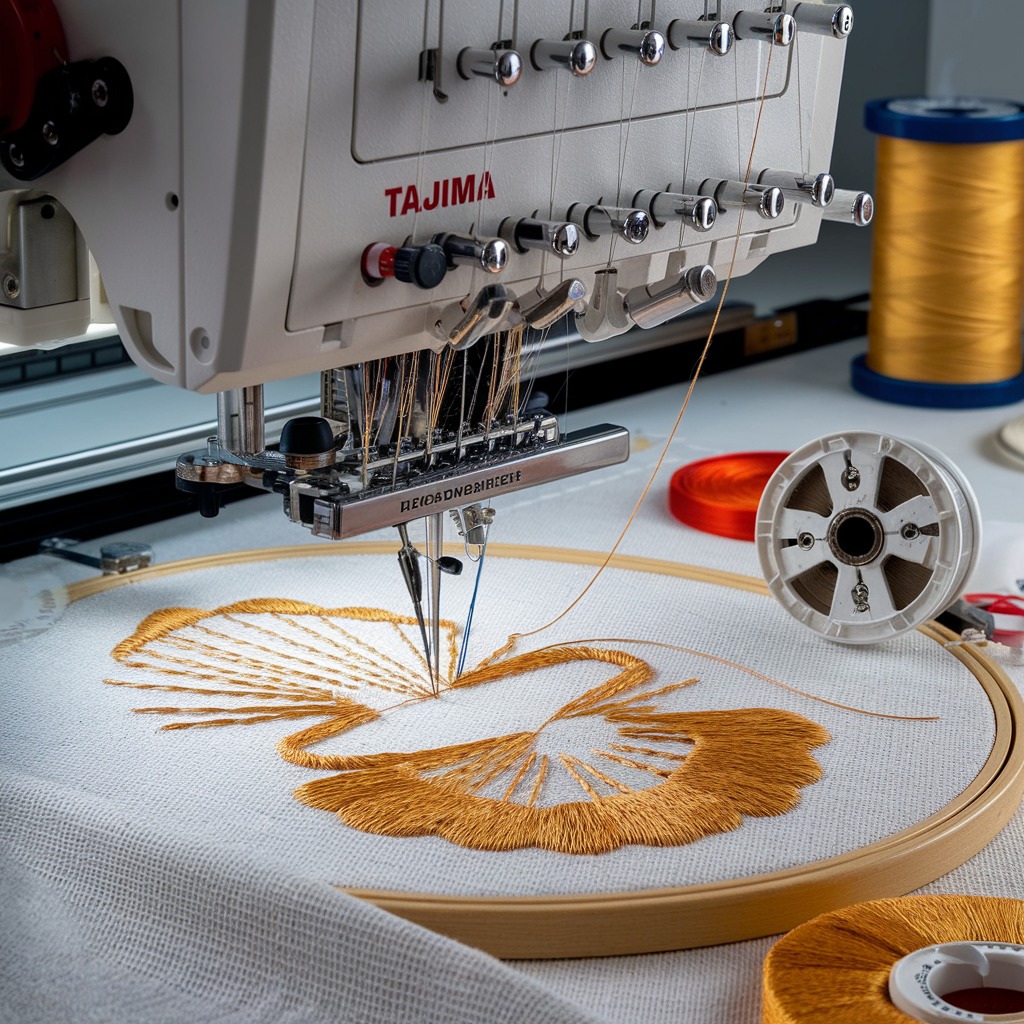
Poor Thread Pathing
Improper threading or tensioning along the thread path can lead to friction and breakage.
Solution: -
Bobbin Tension Issues
Incorrect bobbin tension can affect thread movement, causing the top thread to break.
Solution:- Adjust the bobbin case tension using the screw on the bobbin case. Test on a scrap fabric to ensure the tension is balanced with the top thread.
-
Dirty or Worn-Out Parts
Built-up lint, dust, or worn machine components can cause thread breakage due to excessive friction or misaligned parts.
Solution:- Regularly clean and maintain the machine, especially the tension disks, bobbin case, and thread guides. Replace any worn-out parts immediately.
Proactive Maintenance Tips to Avoid Thread Breakage
- Regular Machine Maintenance
Consistent cleaning and oiling of the machine‘s parts will prevent wear and tear, reducing the chances of thread breakage. - Use Correct Embroidery Settings
Ensure that you are using the correct settings for the fabric, design, and thread. Slowing down the machine for complex designs can reduce stress on the thread and avoid breakage. - Test Before Embroidery
Always run a test stitch before starting the actual project to check for any potential thread issues.
Conclusion
Thread breakage is a common but manageable issue with Tajima embroidery machines. By maintaining your machine, using high-quality materials, and ensuring correct settings, you can reduce the frequency of thread breakage and keep your embroidery projects running smoothly. Implementing these solutions will help you save time, minimize frustration, and improve the overall quality of your embroidery work.