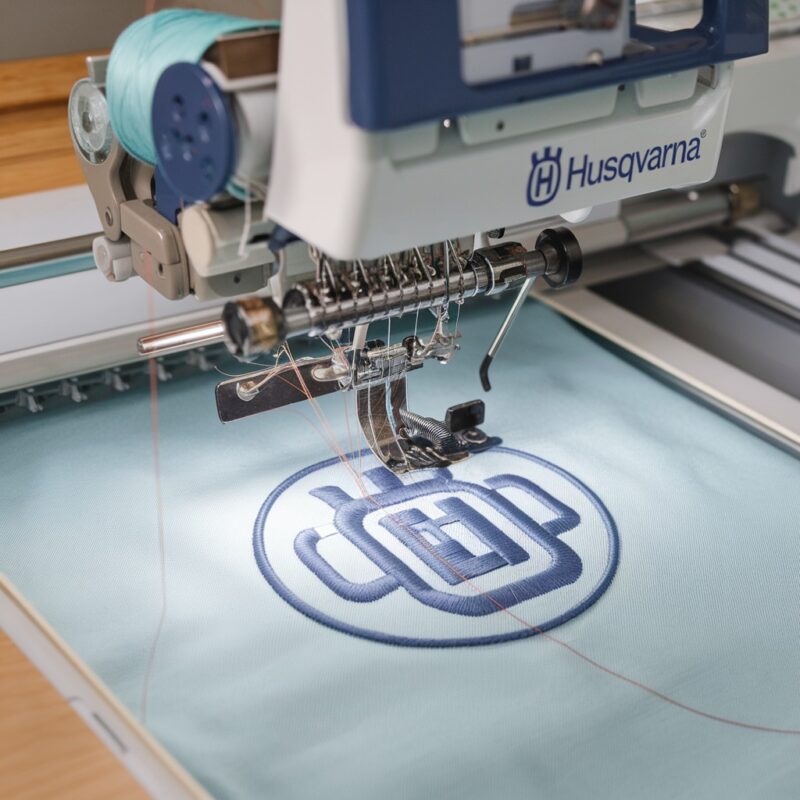
Singer Embroidery Machine: Common Errors in Uneven Stitch Quality and Solutions


Singer Embroidery Machine: Common Errors in Uneven Stitch Quality and Solutions
The uneven stitch quality is a common issue many embroiderers face while using a Singer embroidery machine. Uneven stitches not only compromise the design’s aesthetic appeal but also can waste valuable time and materials. Whether you’re dealing with inconsistent stitch lengths or messy, irregular stitches, understanding the causes and solutions will help you produce professional-quality embroidery.
Common Causes of Uneven Stitch Quality
- Incorrect Thread Tension
Uneven tension is one of the leading causes of uneven stitch quality. When the upper thread tension or bobbin tension is too tight or too loose, the stitches will not form properly, leading to inconsistent stitching. - Using the Wrong Needle
The type and condition of the needle can greatly impact stitch quality. A dull, bent, or wrong-sized needle can cause skipped or uneven stitches, especially when working with thick or delicate fabrics. - Inappropriate Stabilizer
Using an improper stabilizer or failing to use one at all can cause the fabric to shift during embroidery, leading to uneven stitches. The fabric may also pucker or stretch if it’s not properly stabilized.
PROMOTIONAL SECTION
The All-in-One Solution For All Your Embroidery Business!
Enjoy $0.90 / 1000 Stitches Logo Digitizing
Monthly Cash Back, Free Delivery on Store-wide Products, Dedicated Account Manager, Exclusive Client Dashboard Panel, Bonus Credit & much more.
SIGN UP TODAY & GET FIRST 3 ORDER ABSOLUTELY FREE

Unlock game-changing benefits: expert digitizing services, technical embroidery guidance, seamless management of your business essentials, and free delivery on storewide products—all just for signing up with us. Don’t let these exclusive perks pass you by!

No Credit Card Required
Stay secure with no need to share your credit or debit card details! Experience 100% safe payment methods, including the option to purchase credits for your future orders. Plus, enjoy free credit as a bonus with every credit purchase and more exclusive benefits.

A Game-Changing Advantage
Imagine having a dedicated account manager by your side, ready to handle all your embroidery needs with precision and care. Whether it’s managing your digitizing orders, delivering essential embroidery supplies based on your every embroidery order, or sourcing those hard-to-find spare parts like motors, circuit boards, or sensors, we’ve got you covered. This incredible service ensures your business runs seamlessly, all at no extra cost or monthly fee.
It’s not just support—it’s the ultimate embroidery partnership you didn’t know you were missing for a $0 charge!Exclusive Client Dashboard Panel
Get Free Account Setup (T&C Applied) and enjoy exclusive benefits: unlimited free estimate requests, streamlined order management, complimentary edit requests, 24/7 access to our ticket system, fast 6-12 hour turnaround times, round-the-clock email and live chat support, and 1-year free design file backup and more.

Recurring Monthly Cashback
Experience out of the box services with Cashback on monthly basis along with discount vouchers on Shop for Registered customers up to 60% on supplies, accessories, spare parts & sensors & Circuit boards and add extra value to your embroidery business.

Free Delivery on all Shop Products
Enjoy free delivery on embroidery supplies, accessories, spare parts, sensors & circuit boards, and store-products, delivered straight to your doorstep! Unlock this exclusive benefits by registering with us for all your digitizing needs. (Embroidery Machine Not Included)
- Hooping Issues
If the fabric is not hooped correctly, or it becomes loose while embroidering, the fabric can shift, causing uneven stitches. The hoop must hold the fabric firmly in place to ensure consistent stitch formation. - Poor Thread Quality
Low-quality thread can break or tangle during the embroidery process, causing skipped or uneven stitches. Inconsistent thread tension due to thread quality can also lead to poor stitch outcomes. - Dirty or Unmaintained Machine
Dust, lint, or old oil in the machine can interfere with the movement of the needle and thread, resulting in uneven stitches. Regular machine maintenance is crucial to avoid this issue. - Incorrect Speed Setting
Sewing or embroidering too quickly or too slowly can cause uneven stitch quality. Many machines, including Singer, have an optimal speed range for consistent stitching.
Solutions for Uneven Stitch Quality
- Adjust Thread Tension
Balance the upper thread tension and bobbin tension. Begin by setting your machine to the manufacturer’s recommended tension settings and adjust slightly as needed. Test on scrap fabric before starting your main project to find the correct tension balance. - Use the Right Needle
Make sure you’re using a needle that is appropriate for your fabric. For example, use a ballpoint needle for knits and a sharp needle for woven fabrics. Regularly change your needle, especially after prolonged use, to avoid dullness or bending that can affect stitch quality. - Select the Proper Stabilizer
Use the correct stabilizer based on your fabric and design density. A cut-away stabilizer is best for stretchy fabrics, while a tear-away stabilizer works well for woven fabrics. If your fabric is slippery or delicate, consider using a water-soluble stabilizer on top. - Hoop the Fabric Correctly
Ensure that the fabric is taut and evenly hooped. The fabric should not be stretched but should be held firmly in place. Re-hoop the fabric if you notice any shifting during the embroidery process. - Upgrade Thread Quality
Invest in high-quality embroidery thread that is designed to work with your Singer machine. Polyester and rayon threads tend to work well in embroidery applications, providing consistent tension and stitch quality. - Maintain Your Machine Regularly
Clean the machine regularly, removing lint, dust, and old thread from the bobbin case and tension disks. Oil the machine per the manufacturer’s instructions to keep it running smoothly. This ensures the consistent movement of parts for even stitch formation. - Optimize Machine Speed
Avoid stitching at extreme speeds. Set your machine to a moderate, steady speed for most projects to allow the needle and thread to form even, consistent stitches. Practice finding the ideal speed that works for your fabric and design.
Preventative Tips for Maintaining Even Stitch Quality
- Test Your Setup: Always run a test stitch on a piece of scrap fabric before beginning your main project. This helps identify any tension, needle, or hooping issues early on.
- Check Bobbin Thread: Ensure that the bobbin is wound properly and evenly. An improperly wound bobbin can cause thread tension issues that result in uneven stitches.
- Change Needles Often: Make it a habit to change your needle after every project or when you notice stitch inconsistencies.
Conclusion
Ensuring even stitch quality on a Singer embroidery machine involves the right combination of tension settings, stabilizer choice, needle selection, and machine maintenance. By addressing these factors, you can achieve smooth, consistent stitches and professional-looking embroidery designs. Proper machine care and using high-quality materials will help you avoid uneven stitch issues, making your embroidery projects run smoothly and efficiently.