Blog
Singer Futura XL-400 Bird’s Nesting Troubleshooting

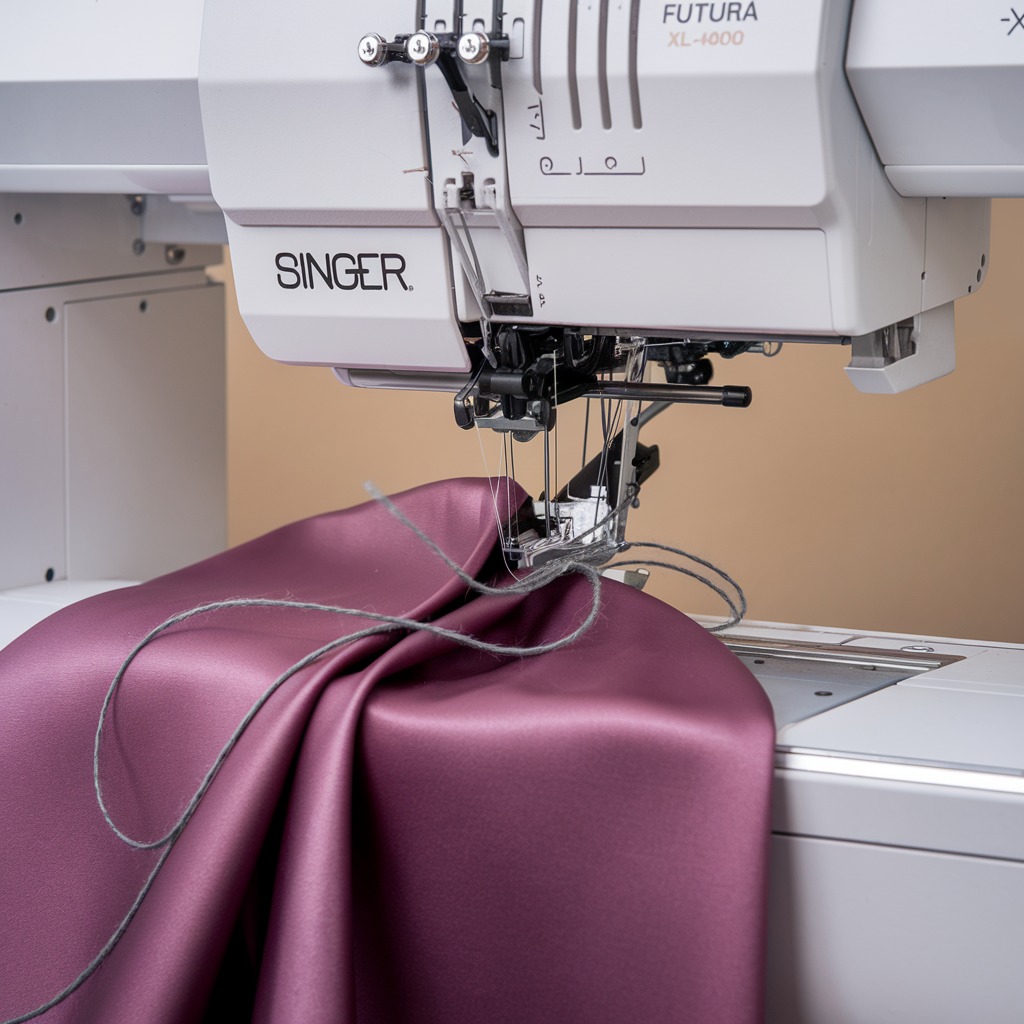
Quick answer: Bird's nesting on the Singer Futura XL-400 is most commonly caused by incorrect threading, bobbin issues, or an old/damaged needle. Re-thread the machine, check your bobbin setup, and replace the needle first. Regular cleaning of the bobbin area is also crucial.
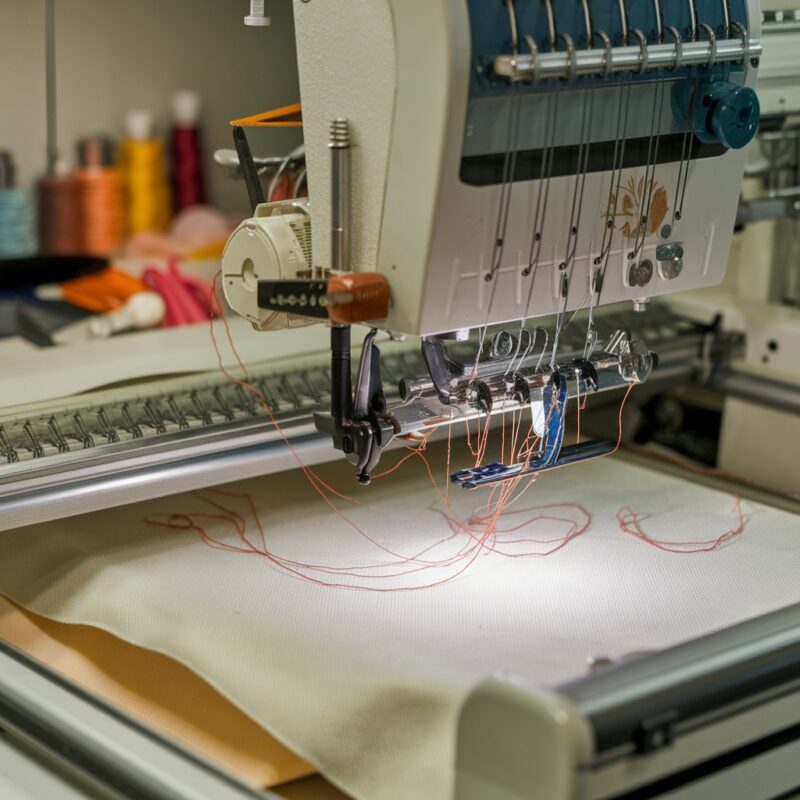
Bird's nesting, where thread tangles into a messy clump under the fabric, is a common frustration for Singer Futura XL-400 embroidery machine users. This guide provides practical, step-by-step solutions to diagnose and resolve this issue, ensuring smooth and high-quality embroidery results.
Two-minute checks before you open anything
- Is the upper thread correctly seated in all guides and tension discs?
- Is the bobbin wound evenly and inserted correctly into the bobbin case?
- Is the needle new, sharp, and inserted with the flat side facing the back?
- Is the bobbin area free of lint and debris?
1. Incorrect Upper Threading high likelihood
How to tell
The thread may not be seated properly in the tension discs, may have skipped a thread guide, or the presser foot was down during threading, preventing the thread from engaging the tension discs. Pulling the thread gently through the path will feel too loose or too tight, or it may visibly snag.
Fix
- Turn off the machine.
- Raise the presser foot lever to open the upper tension discs.
- Completely remove the upper thread from the machine.
- Following the numbered path on your Singer Futura XL-400, re-thread the machine carefully, ensuring the thread passes through all guides, clicks into the take-up lever, and is fully seated in the tension discs.
- Lower the presser foot.
- Pull the thread gently; it should have a consistent, light resistance.
Parts involved: Thread path & tension → Presser feet & sewing parts →
2. Bobbin Setup Problems high likelihood
How to tell
The bobbin thread may be wound unevenly, too loosely, or too tightly. The bobbin might be inserted incorrectly into the bobbin case, or the bobbin case itself might be inserted improperly into the machine. The bobbin may not spin smoothly when pulled, or the thread may feel too loose or too tight coming from the bobbin case.
Fix
- Turn off the machine.
- Remove the bobbin and bobbin case.
- Inspect the bobbin: if it's unevenly or loosely wound, re-wind it using the machine's bobbin winder, ensuring consistent tension. Use high-quality thread and avoid overfilling.
- Insert the bobbin correctly into the bobbin case, ensuring the thread feeds in the correct direction (typically counter-clockwise for drop-in bobbins, or as per your manual).
- Pull the thread through the bobbin case tension spring; it should have a smooth, light resistance.
- Re-insert the bobbin case correctly into the bobbin housing, ensuring it clicks securely into place.
Parts involved: Rotary hooks & bobbin cases → Threads & supplies →
Parts you may need for Singer
In stock, tested before dispatch, Buyer Protection on every order. Part types for this problem: Thread path & tension, Presser feet & sewing parts, Rotary hooks & bobbin cases, Threads & supplies.
 Bobbin Case & 2 Metal Bobbins for Brother, Janome, Singer, Babylock...$ 5.59View part →
 11PCS Low Shank Presser Foot Kit Set for Singer Brother Janome Kenm...$ 23.49View part →
 PET-121 40WT 120D/2 Polyester Embroidery Thread 4000M Spool, 80 Mad...$ 17.49View part →
 Flying Tiger DBx1 Industrial Lockstitch Needles, 100 pcs/box, Sizes...$ 10.99View part →
 PET-80 80 Madeira Colors Embroidery Thread Set - Premium 40WT Polye...$ 15.99View part →40 Weight 120D/2 Polyester Embroidery Thread 4000M PET-121 for Brot...$ 17.49View part →
All Singer parts → Thread Path & Tension → Presser Feet & Sewing Parts → Rotary Hooks & Bobbin Cases →
3. Worn, Bent, or Incorrect Needle medium likelihood
How to tell
The needle may be visibly bent, dull (feels rough when run over a fingernail), or have a burr. Using the wrong type or size of needle for the fabric or thread can also cause issues. Stitch quality may be poor, or the machine may make unusual noises.
Fix
- Turn off the machine.
- Loosen the needle clamp screw and remove the old needle.
- Inspect the old needle for damage. If bent or dull, discard it.
- Select a new, sharp needle appropriate for your fabric and thread type (e.g., embroidery needle, ballpoint for knits).
- Insert the new needle fully into the needle clamp, ensuring the flat side of the needle shank faces the back of the machine.
- Tighten the needle clamp screw securely.
Parts involved: Needles & needle bars → Screws, springs & small parts →
4. Lint and Debris Buildup medium likelihood
How to tell
Visible lint, dust, or thread fragments are present in the bobbin area, under the needle plate, or in the thread path. This can obstruct thread movement and interfere with the rotary hook mechanism.
Fix
- Turn off the machine and unplug it.
- Remove the needle, presser foot, needle plate, bobbin, and bobbin case.
- Using a small brush (often included with the machine) or compressed air (use sparingly and carefully to avoid pushing debris further in), thoroughly clean the bobbin area, rotary hook, feed dogs, and under the needle plate.
- Ensure all lint and thread snippets are removed.
- Reassemble the machine components.
Parts involved: Rotary hooks & bobbin cases → Presser feet & sewing parts → Lubrication & maintenance →
5. Imbalanced Thread Tension medium likelihood
How to tell
Even after correct threading and bobbin setup, the stitches on the top or bottom of the fabric appear loose, loopy, or uneven. The 'bird's nest' itself is a symptom of tension imbalance, often too loose upper tension or too tight bobbin tension.
Fix
- Ensure the machine is correctly threaded and the bobbin is properly set up.
- Perform a test stitch on a scrap piece of fabric and stabilizer similar to your project.
- If the top thread appears on the underside (upper tension too loose), increase the upper tension setting incrementally (e.g., from 4 to 5).
- If the bobbin thread appears on the top side (upper tension too tight), decrease the upper tension setting incrementally (e.g., from 4 to 3).
- For bobbin tension, if the issue persists and you suspect the bobbin tension is incorrect, consult your machine's manual for specific adjustment instructions. Some bobbin cases have a small screw for fine-tuning, but adjust with extreme caution, as improper adjustment can worsen the problem.
Parts involved: Thread path & tension → Rotary hooks & bobbin cases →
6. Machine Wear and Tear low likelihood
How to tell
Components like the tension discs, bobbin case, or thread guides may show visible signs of wear, nicks, or burrs that snag the thread. This is often a gradual issue, and other troubleshooting steps don't resolve the problem.
Fix
- Carefully inspect all thread guides, the take-up lever, tension discs, and the bobbin case for any nicks, burrs, or visible damage.
- If any component is damaged, identify the specific part (e.g., 'upper tension assembly', 'bobbin case') and replace it with a genuine Singer Futura XL-400 replacement part.
- Ensure all screws and fasteners are appropriately tightened, but do not overtighten.
Specific part names will vary; refer to your machine's parts diagram for accurate identification.
Parts involved: Thread path & tension → Rotary hooks & bobbin cases → Screws, springs & small parts → Head & mechanical parts →
Stop and call a technician if
- If you've tried all troubleshooting steps and the bird's nesting persists.
- If you suspect internal mechanical damage or electronic issues.
- If you are uncomfortable performing a specific repair step, especially those involving internal components or bobbin case tension adjustment.
Prevent it coming back
- Always thread the machine with the presser foot raised to ensure the thread seats correctly in the tension discs.
- Use high-quality embroidery thread and bobbins wound evenly.
- Replace your needle regularly (after 8-10 hours of embroidery or every few projects) and use the correct type and size for your fabric.
- Clean the bobbin area, feed dogs, and under the needle plate frequently to remove lint and debris.
- Use the appropriate stabilizer for your fabric and design to prevent shifting.
- Test your tension settings on scrap fabric before starting a new project.
- Avoid running the machine at excessively high speeds, especially for dense designs.
- Ensure your embroidery designs are well-digitized and compatible with your machine and fabric.
Frequently asked questions
What is bird's nesting on an embroidery machine?
Bird's nesting, or thread jamming, is when a tangled mass of thread accumulates on the underside of the fabric during embroidery, disrupting the design and potentially damaging the machine.
Can poor quality thread cause bird's nesting?
Yes, low-quality, old, or improperly stored threads can fray, break, or tangle easily, significantly increasing the likelihood of bird's nesting. Always use high-quality embroidery thread designed for machine use.
Does the type of stabilizer matter for bird's nesting?
Yes, using the wrong type or insufficient amount of stabilizer can cause the fabric to shift or pucker during stitching, leading to thread tangles and bird's nesting. Always match your stabilizer to your fabric and design density.
How often should I clean my Singer Futura XL-400 to prevent bird's nesting?
Regular cleaning is essential. It's recommended to clean the bobbin area and under the needle plate after every few hours of embroidery or after completing a large project, and definitely if you notice any performance issues.
Did this guide fix your machine?
Rate it - it helps other operators find the right fix.
Not sure which part is failing?
Need the logo stitched too?
Get your logo digitized by the people who know this machine
Upload the artwork, see the stitch count and the exact price in 10 seconds, then order with a free sew-out preview. $1 per 1,000 stitches, $10 minimum, 24-hour delivery. Vector conversion from $12.
After the fix
Fixed it? Keep the rest of the shop moving.
OS 360 is the shop software from the team behind this parts store. Every job keeps its status, deadline and owner while a Futura XL-400 head is down, restock alerts fire for needles, hooks and bobbins before you run dry, and quotes, invoices and payment live in one place.
- Jobs with status, deadline and owner - nothing slips during downtime
- Inventory with restock alerts, this store one click away
- Instant quotes, invoices and one place to collect payment