Tajima Embroidery Machine: Common Errors in Needle Breaking and Solutions

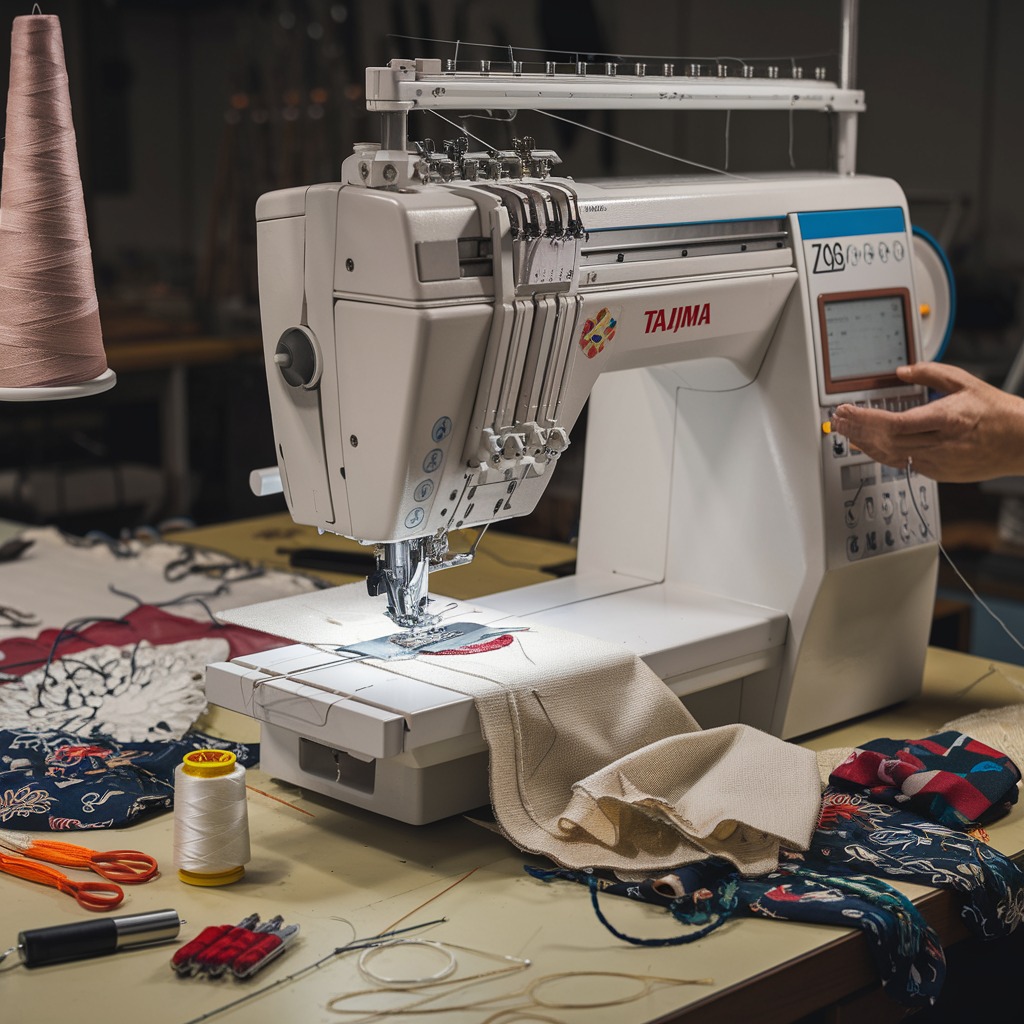
Tajima Embroidery Machine: Common Errors in Needle Breaking and Solutions
Needle breaking is one of the most frustrating issues Tajima embroidery machine users can face. It disrupts the embroidery process, affects design quality, and can lead to more significant machine damage if not addressed. This blog will discuss the common causes of needle breaking in Tajima machines and provide effective solutions to keep your machine running smoothly.
Common Causes of Needle Breaking in Tajima Embroidery Machines
- Incorrect Needle Type
Cause: Using the wrong needle for the fabric type can result in needle breaks, especially on thick or dense materials.
Solution:
- Fabric Not Properly Stabilized
Cause: Poor fabric stabilization can cause the needle to bend or deflect, leading to breakage.
Solution:- Use an appropriate stabilizer based on fabric type. Ensure the fabric is properly hooped and taut, preventing unnecessary needle movement.
- Needle Hitting the Hoop
Cause: Incorrect placement of the hoop can cause the needle to strike the frame, resulting in breakage.
Solution:- Adjust the hoop placement, ensuring it is correctly centered and secured to avoid needle contact. Check for proper clearance before starting embroidery.
- Adjust the hoop placement, ensuring it is correctly centered and secured to avoid needle contact. Check for proper clearance before starting embroidery.
- Bent or Worn-Out Needles
Cause: Needles naturally wear out over time. A bent or dull needle can break easily under the pressure of embroidery.
Solution:- Regularly inspect and replace needles. It’s recommended to change the needle after every 8-10 hours of continuous embroidery work to ensure optimal performance.
- Incorrect Thread Tension
Cause: Improper thread tension can pull the needle too forcefully, leading to breaking.
Solution: - High Sewing Speed
Cause: Running the machine at high speeds can increase the chances of needle breaking, especially when working on intricate or dense designs.
Solution:- Reduce the sewing speed, particularly when working with complex patterns or thicker fabrics, to avoid putting excessive stress on the needle.
- Incorrectly Installed Needle
Cause: An improperly installed needle can increase the likelihood of breakage.
Solution:- Make sure the needle is installed correctly, with the flat side facing the back. Ensure it is fully inserted and securely tightened to prevent wiggling during embroidery.
- Thread Path Issues
Cause: If the thread is not properly threaded or gets tangled, it can create excessive tension on the needle, causing it to snap.
Solution:- Follow the threading instructions provided in the manual. Regularly inspect the thread path for tangles or obstructions.
Proactive Maintenance to Avoid Needle Breakage
- Use High-Quality Needles Invest in high-quality needles from reliable brands that work well with Tajima machines. Low-quality needles may break more frequently, increasing your downtime.
- Regular Machine Maintenance Ensure that your machine is well-maintained, with regular cleaning and oiling. Check for worn parts that may impact needle performance and replace them as necessary.
- Perform a Test Run Run a test stitch on a sample fabric to ensure that the needle is working correctly before starting your main project.
Conclusion
Needle breaking in a Tajima embroidery machine can be a serious obstacle, but understanding the root causes and implementing preventive measures can minimize disruptions. By selecting the right needle, maintaining your machine, and managing tension, you can avoid frequent needle breakages and ensure smooth, high-quality embroidery. Regular machine upkeep and proper needle management will save time and enhance the overall embroidery experience.