
Blog
Tajima TMEZ Series: Essential Maintenance Schedule & Wear Parts Guide

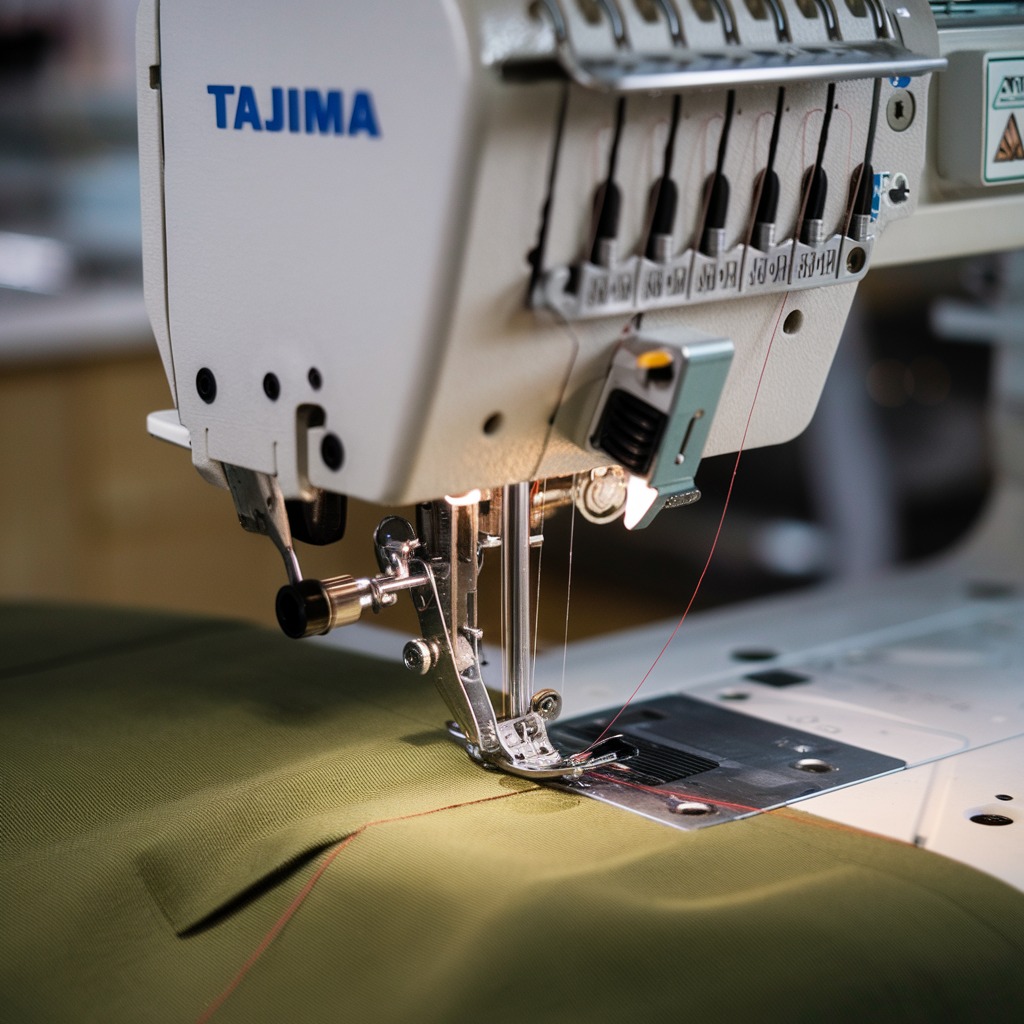
Quick answer: Regular maintenance for your Tajima TMEZ series machine involves daily cleaning, weekly lubrication, and periodic inspection and replacement of wear parts such as rotary hooks, timing belts, and needle bar components. Follow a consistent schedule to ensure optimal performance and longevity.
The Tajima TMEZ series embroidery machines are workhorses, known for their reliability and precision. To maintain their high performance and extend their lifespan, a consistent maintenance schedule is crucial. This guide outlines essential daily, weekly, and periodic maintenance tasks, along with identifying common wear parts you should inspect and replace. Proactive maintenance not only prevents costly breakdowns but also ensures consistent stitch quality and operational efficiency.
Two-minute checks before you open anything
- Check for any loose threads or lint buildup around the needle plate and rotary hook.
- Listen for any unusual noises during operation.
- Verify that all needles are straight and sharp.
- Ensure thread paths are clear and tension disks are clean.
- Check that hoops are securely attached and not damaged.
1. KHS20-R Jumbo Rotary Hook for TAJIMA TME-DC, TMFX, TMB, TMAR, TMEZ & BROTHER BAS-415, BAS-416, BAS-423 Embroidery Machines high likelihood
How to tell
Skipped stitches, poor tension, thread breaks, noise from the hook area, or burrs/grooves visible on the hook point or race. If the hook feels rough when turning the machine by hand, it's a strong indicator of wear.
Fix
- Remove the bobbin case and needle plate.
- Inspect the hook point for damage, burrs, or excessive wear.
- Check the hook race for lint buildup or scoring.
- If worn, remove the old rotary hook by loosening its retaining screws.
- Clean the hook area thoroughly.
- Install the new KHS20-R Jumbo Rotary Hook, ensuring it seats correctly.
- Adjust hook timing according to your machine's manual.
- Test with a scrap piece of fabric.
Always keep a spare rotary hook on hand, as they are critical wear items.
Parts involved: Rotary hooks & bobbin cases →
2. Tajima TC Sensor Card & Thread Contact Set 0J2602300A22 0J2602300A23 FG7204010000 0J2602100010 for TFMX, TFGN, TMAR, TMEZ, TSW, TEHX, TE medium likelihood
How to tell
Frequent false thread breaks, machine stopping without an actual thread break, or failure to detect a thread break. This can also manifest as inconsistent thread tension if the sensor is not correctly reading thread movement.
Fix
- First, clean the thread contact points with a soft brush or compressed air to remove lint and debris.
- Check the wiring for any visible damage or loose connections.
- If cleaning doesn't resolve the issue, carefully disconnect the old TC Sensor Card and Thread Contact Set.
- Install the new Tajima TC Sensor Card & Thread Contact Set, ensuring all connections are secure and correctly oriented.
- Test the machine with various thread types and colors to confirm proper detection.
Parts involved: Sensors & switches → Thread path & tension →
Parts you may need for Tajima TMEZ
In stock, tested before dispatch, Buyer Protection on every order. Part types for this problem: Rotary hooks & bobbin cases, Needles & needle bars, Thread path & tension, Presser feet & sewing parts.
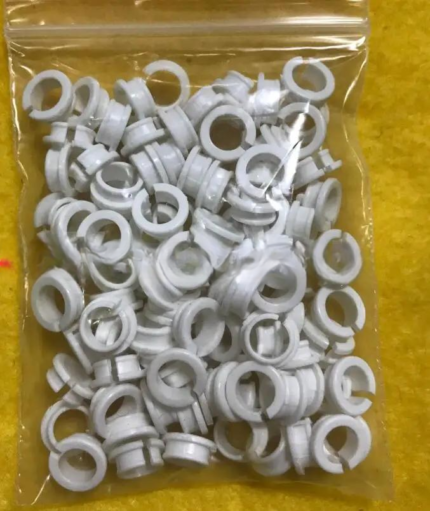 Tajima EF0613220000 EF0613210000 090460040020 090460040031 Presser ...$ 18.09View part →
 Tajima TC Sensor Card & Thread Contact Set 0J2602300A22 0J2602300A2...$ 21.49View part →
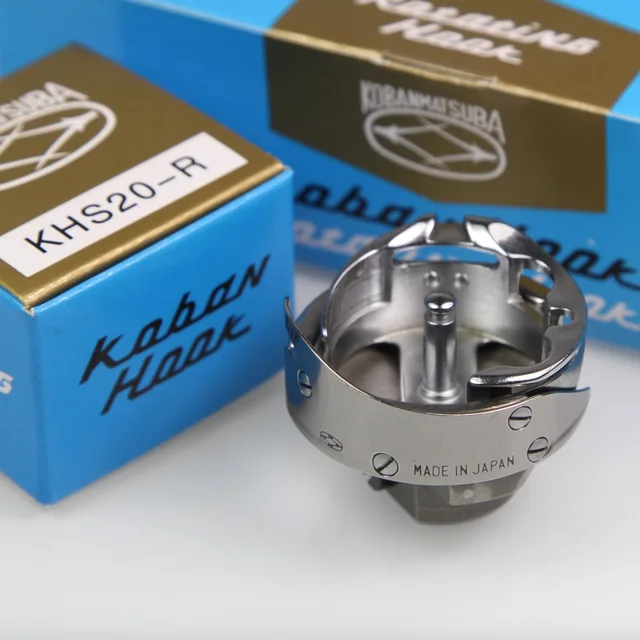 KHS20-R Jumbo Rotary Hook for TAJIMA TME-DC, TMFX, TMB, TMAR, TMEZ ...$ 21.29View part →
 Tajima Magnetic Embroidery Hoop 150x150mm 5.5x5.5 Inches Length 355...$ 83.09View part →
 EF6600000000 JHX-G8L1000 1000P/R Rotary Encoder for Chinese Tajima ...$ 92.49View part →
 Genuine Japanese MBL S5M1270 Timing Belt 20mm for Tajima TFMX, TMAR...$ 68.99View part →
All Tajima TMEZ parts → Rotary Hooks & Bobbin Cases → Needles & Needle Bars → Thread Path & Tension →
3. Tajima EF0613220000 EF0613210000 090460040020 090460040031 Presser Foot Bushing Guide Collar for TFMX TMAR TMBP-SC TMEZ medium likelihood
How to tell
Excessive play or wobbling in the presser foot, inconsistent fabric hold-down, or unusual noise from the presser foot mechanism. Worn bushings can lead to poor stitch quality, especially on delicate fabrics.
Fix
- Carefully inspect the presser foot for lateral movement beyond normal operation.
- Remove the presser foot assembly.
- Inspect the existing bushing/guide collar for cracks, wear, or deformation.
- Remove the worn Tajima Presser Foot Bushing Guide Collar.
- Clean the area where the new bushing will be installed.
- Install the new bushing, ensuring it fits snugly.
- Reassemble the presser foot and test for proper function and reduced play.
Parts involved: Presser feet & sewing parts → Shafts, bearings & bushings →
4. Genuine Japanese MBL S5M1270 Timing Belt 20mm for Tajima TFMX, TMAR, TFGN, TMEZ Embroidery Machines medium likelihood
How to tell
Skipped stitches, misaligned designs, machine stopping with a timing error, or visible cracks, fraying, or missing teeth on the belt. A loose belt might also cause a 'slapping' sound.
Fix
- Visually inspect the timing belt for any signs of wear, cracks, fraying, or missing teeth.
- Check belt tension; it should be firm but not overly tight.
- If replacement is needed, carefully note the current timing marks or positions of connected components.
- Loosen tensioners and remove the old belt.
- Install the new Genuine Japanese MBL S5M1270 Timing Belt, ensuring it is correctly aligned on the pulleys.
- Adjust tension according to manufacturer specifications (refer to your machine manual).
- Verify timing and test the machine.
Parts involved: Belts, pulleys & gears →
5. MITSUBOSHI MBL S5M1680 Timing Belt for Tajima TMFX TMFD TMEZ TFMX TFMG Series medium likelihood
How to tell
Similar to other timing belts: misaligned embroidery, machine stopping with timing errors, or visible damage like cracks, fraying, or missing teeth. Excessive belt dust can also indicate wear.
Fix
- Perform a visual inspection of the belt for any signs of degradation.
- Check the belt's tension; it should be taut but allow for slight deflection.
- If replacement is necessary, carefully mark the timing of the associated shafts.
- Release tension and remove the worn belt.
- Install the new MITSUBOSHI MBL S5M1680 Timing Belt, ensuring correct pulley engagement.
- Adjust belt tension to the manufacturer's recommended setting.
- Confirm machine timing and run a test pattern.
Parts involved: Belts, pulleys & gears →
6. Tajima EF053202S000 Needle Bar Reciprocator Assembly for TMFX, TFMX, TMBR, TMEZ, China Embroidery Machines medium likelihood
How to tell
Excessive play or wobble in the needle bar, inconsistent needle depth, needle breakage, or unusual noise from the needle bar area. Stitch quality degradation can also be a symptom.
Fix
- Gently check each needle bar for excessive side-to-side or front-to-back play.
- Inspect the reciprocator for visible wear, cracks, or loose components.
- If worn, carefully remove the existing needle bar reciprocator assembly.
- Clean the mounting area.
- Install the new Tajima EF053202S000 Needle Bar Reciprocator Assembly, ensuring it is properly aligned and secured.
- Verify needle bar height and timing if necessary, referring to your machine manual.
- Test machine operation.
Parts involved: Needles & needle bars → Head & mechanical parts →
7. Tajima JP1-A-36 Jump Solenoid for TFMX, TMFX, TFGN, TMEZ Embroidery Machines low likelihood
How to tell
Needle bar not lifting or lowering correctly during jump stitches, inconsistent jump stitch height, or the machine stopping with an error related to jump function. The solenoid might also make a weak or no 'click' sound when activated.
Fix
- Check for any obstructions around the jump solenoid mechanism.
- Verify electrical connections to the solenoid are secure.
- Test the solenoid's function through the machine's maintenance menu if available.
- If faulty, disconnect power to the machine.
- Carefully remove the old Tajima JP1-A-36 Jump Solenoid.
- Install the new solenoid, ensuring proper alignment and secure electrical connections.
- Restore power and test the jump stitch function.
Parts involved: Solenoids & magnets →
Maintenance schedule
| When | What to do | Why |
|---|---|---|
| Daily (or every 8 hours of operation) | Clean the rotary hook area and bobbin case. | Removes lint and thread debris that can cause skipped stitches, thread breaks, and hook damage. |
| Daily (or every 8 hours of operation) | Oil the rotary hook and needle bars. | Reduces friction and wear, ensuring smooth operation and preventing premature component failure. |
| Daily (or every 8 hours of operation) | Clean the thread path components (tension disks, thread guides, take-up levers). | Prevents lint buildup that can affect thread tension and lead to thread breaks or inconsistent stitches. |
| Weekly (or every 40 hours of operation) | Clean under the needle plate and around the feed dog mechanism. | Removes accumulated lint and debris that can hinder fabric movement and stitch formation. |
| Weekly (or every 40 hours of operation) | Lubricate pantograph rails and main shaft bearings (refer to manual for specific points). | Ensures smooth movement of the embroidery frame and reduces wear on critical moving parts. |
| Weekly (or every 40 hours of operation) | Inspect needles for sharpness, bends, or burrs. | Dull or damaged needles cause thread breaks, fabric damage, and poor stitch quality. |
| Monthly (or every 160 hours of operation) | Inspect all timing belts for wear, cracks, or fraying. | Proactive replacement of worn belts prevents timing issues, misaligned designs, and unexpected downtime. |
| Monthly (or every 160 hours of operation) | Check and clean thread break sensors (TC Sensor Card & Thread Contact Set). | Ensures accurate thread break detection and prevents false alarms or missed breaks. |
| Monthly (or every 160 hours of operation) | Inspect presser foot bushings and needle bar reciprocator assemblies for excessive play. | Worn components can lead to inconsistent stitch quality, needle breakage, and noise. |
| Every 500-1000 hours (or annually, whichever comes first) | Perform a thorough cleaning of the entire machine, including hard-to-reach areas. | Removes deep-seated lint and dust that can affect electronics and mechanical components. |
| Every 500-1000 hours (or annually, whichever comes first) | Inspect and lubricate all gears and pulleys. | Ensures smooth power transmission and extends the life of drive components. |
| Every 500-1000 hours (or annually, whichever comes first) | Check all electrical connections for tightness and signs of wear. | Prevents intermittent electrical issues and ensures safe operation. |
Stop and call a technician if
- If you encounter persistent error codes that you cannot resolve with basic troubleshooting.
- For complex timing adjustments that require specialized tools or knowledge.
- If there are electrical issues, such as power fluctuations or component failures.
- For major mechanical repairs involving internal components you are unfamiliar with.
- If the machine is making unusual grinding or knocking noises that indicate severe internal damage.
Prevent it coming back
- Always use high-quality threads and needles appropriate for your fabric to reduce stress on machine components.
- Keep your work area clean and free of dust and lint, which can contaminate machine parts.
- Avoid running the machine at excessively high speeds for extended periods, especially with challenging materials.
- Ensure proper tension settings for all threads to prevent unnecessary strain on the thread path and hook.
- Regularly check and tighten any loose screws or fasteners to prevent vibration-induced wear.
Frequently asked questions
How often should I lubricate my Tajima TMEZ?
Lubrication frequency depends on usage. Generally, daily oiling of the rotary hook and needle bars is recommended for high-volume use. Other points, like the main shaft and pantograph rails, should be lubricated weekly or monthly. Always refer to your machine's manual for specific lubrication points and intervals.
What are the most common wear parts on a Tajima TMEZ?
The most common wear parts on a Tajima TMEZ series machine include rotary hooks, various timing belts, needle bar reciprocator assemblies, presser foot bushings, and thread tension components like the TC Sensor Card & Thread Contact Set. Regular inspection of these parts is crucial.
Can I perform all maintenance myself, or do I need a technician?
Many routine maintenance tasks like cleaning, oiling, and basic part replacements (e.g., rotary hooks, some belts) can be performed by an experienced operator. However, complex timing adjustments, electrical issues, or major mechanical overhauls should be handled by a qualified technician to prevent further damage.
How do I know if a timing belt needs replacing?
Inspect timing belts for visible cracks, fraying, missing teeth, or excessive slack. If your machine is experiencing skipped stitches, misaligned designs, or timing errors, a worn timing belt is a likely culprit. Replace it proactively if you see signs of wear to avoid unexpected downtime.
Did this guide fix your machine?
Rate it - it helps other operators find the right fix.
Not sure which part is failing?
Need the logo stitched too?
Get your logo digitized by the people who know this machine
Upload the artwork, see the stitch count and the exact price in 10 seconds, then order with a free sew-out preview. $1 per 1,000 stitches, $10 minimum, 24-hour delivery. Vector conversion from $12.
After the fix
Fixed it? Keep the rest of the shop moving.
OS 360 is the shop software from the team behind this parts store. Every job keeps its status, deadline and owner while a TMEZ head is down, restock alerts fire for needles, hooks and bobbins before you run dry, and quotes, invoices and payment live in one place.
- Jobs with status, deadline and owner - nothing slips during downtime
- Inventory with restock alerts, this store one click away
- Instant quotes, invoices and one place to collect payment