Hikone Embroidery Machine: Common Errors in Uneven Stitch Quality and Solutions

Hikone Embroidery Machine: Common Errors in Uneven Stitch Quality and Solutions
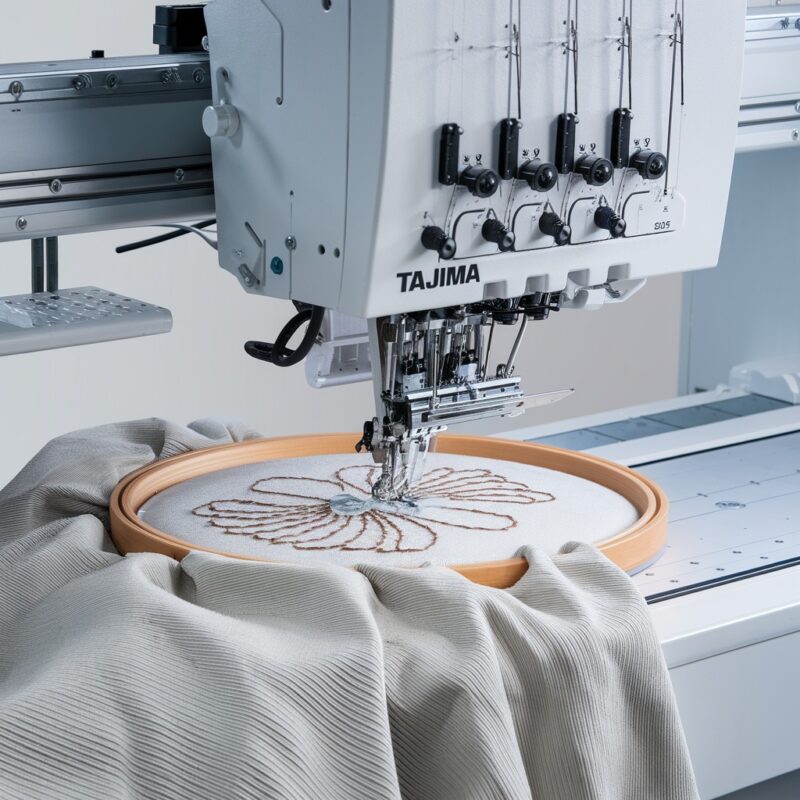
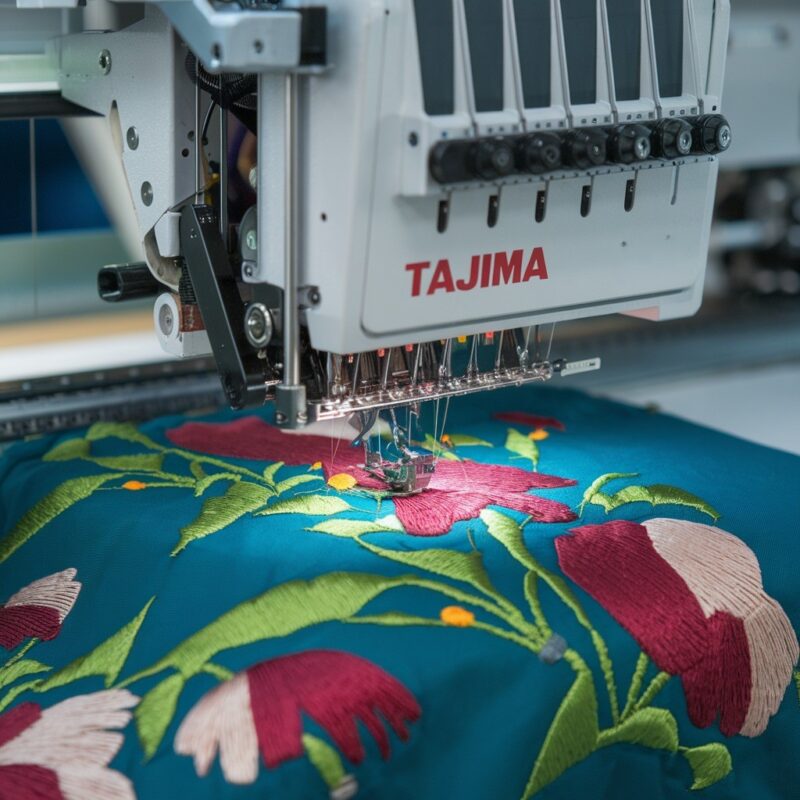
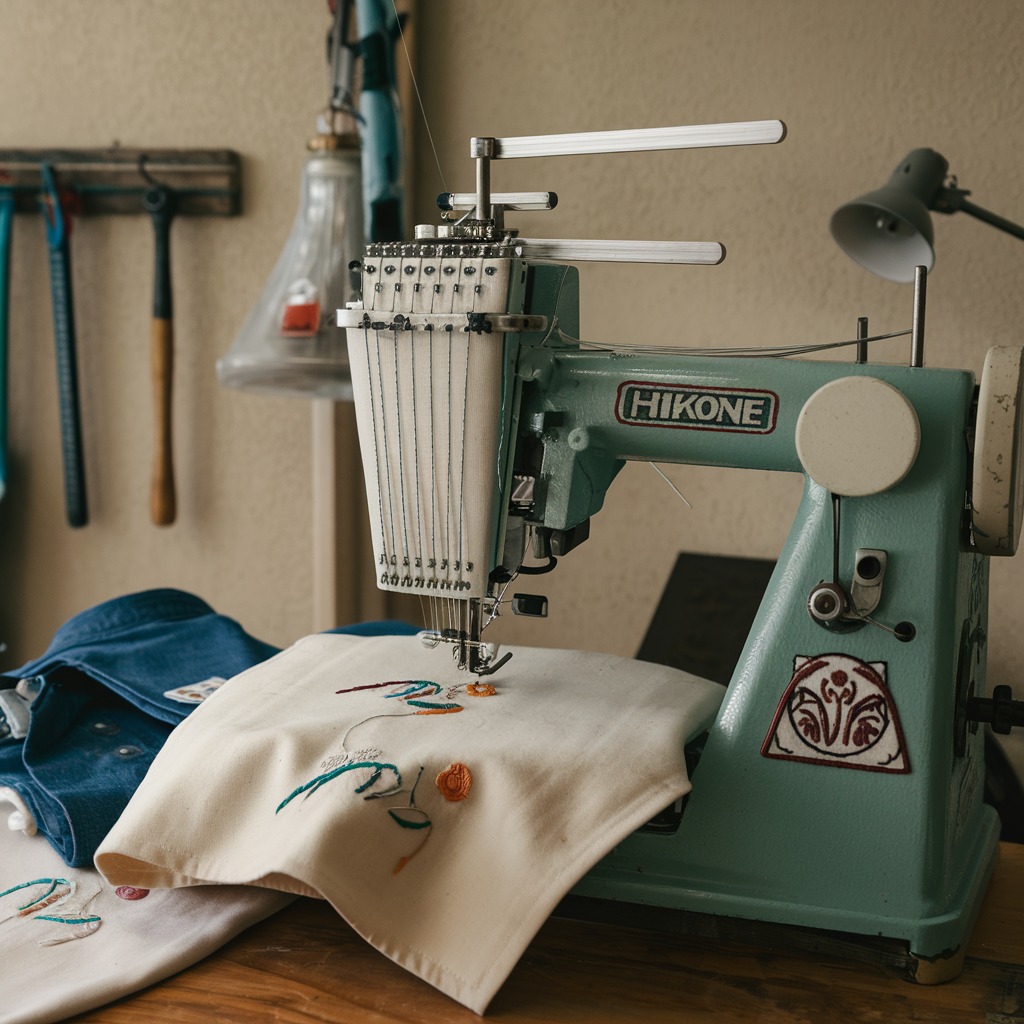
The uneven stitch quality is a common problem many Hikone embroidery machine users encounter. Whether it’s inconsistent stitch lengths, loose or tight stitches, or irregular patterns, this issue can significantly impact the quality and appearance of the final embroidered design. Fortunately, there are several ways to troubleshoot and resolve uneven stitch quality to ensure smooth and precise embroidery results.
Common Causes of Uneven Stitch Quality in Hikone Embroidery Machines
- Incorrect Tension Settings
When the upper thread tension or bobbin tension is not balanced, it can lead to uneven stitches. Either the top thread may look too tight, or the bobbin thread may be visible on the surface, causing irregular stitches. - Worn or Damaged Needle
A bent or dull needle can cause skipped stitches, looped threads, or inconsistent stitch patterns. The needle’s condition directly impacts the stitch quality and fabric penetration. - Incompatible Needle and Thread
Using a needle that is too small or too large for the thread type can result in poor stitch quality. The needle needs to match the thread thickness and fabric type to create even stitches.
- Hooping Issues
Poorly hooped fabric can shift during embroidery, leading to uneven stitching. If the fabric is not secured tightly in the hoop, the machine will not be able to maintain consistent stitch patterns. - Thread Quality
Low-quality or inappropriate thread types can lead to tension problems, causing inconsistent stitch quality. Threads that are too thick or too thin for the fabric and design can result in uneven stitches. - Machine Speed
If the machine is running at an inconsistent speed, it can affect the stitch quality. Faster speeds may cause the fabric to pull, leading to uneven stitching, while slower speeds may result in looser stitches. - Dirty Machine or Bobbin Case
Dirt, lint, or thread buildup in the bobbin case or other parts of the machine can cause tension issues and uneven stitching. A poorly maintained machine will not perform optimally, leading to irregular stitches.
Solutions for Uneven Stitch Quality in Hikone Machines
- Adjust the Tension Settings
Regularly check the tension settings for both the upper thread and bobbin. Test the tension on a scrap piece of fabric to ensure that both the top and bottom stitches are balanced. If needed, make small adjustments until the stitches are even on both sides of the fabric. - Replace the Needle
Inspect the needle regularly and replace it if it’s bent, dull, or damaged. For most fabrics, it’s recommended to use a new needle after every 8 hours of sewing. Ensure you are using the correct needle size and type for the fabric and thread to improve stitch consistency. - Match the Needle, Thread, and Fabric
Always use the correct needle size and type for the thread and fabric. For example, lightweight fabrics require a smaller needle and finer thread, while thicker fabrics need a larger needle and heavier thread. Testing different needle and thread combinations can help achieve optimal stitch quality. - Hoop the Fabric Correctly
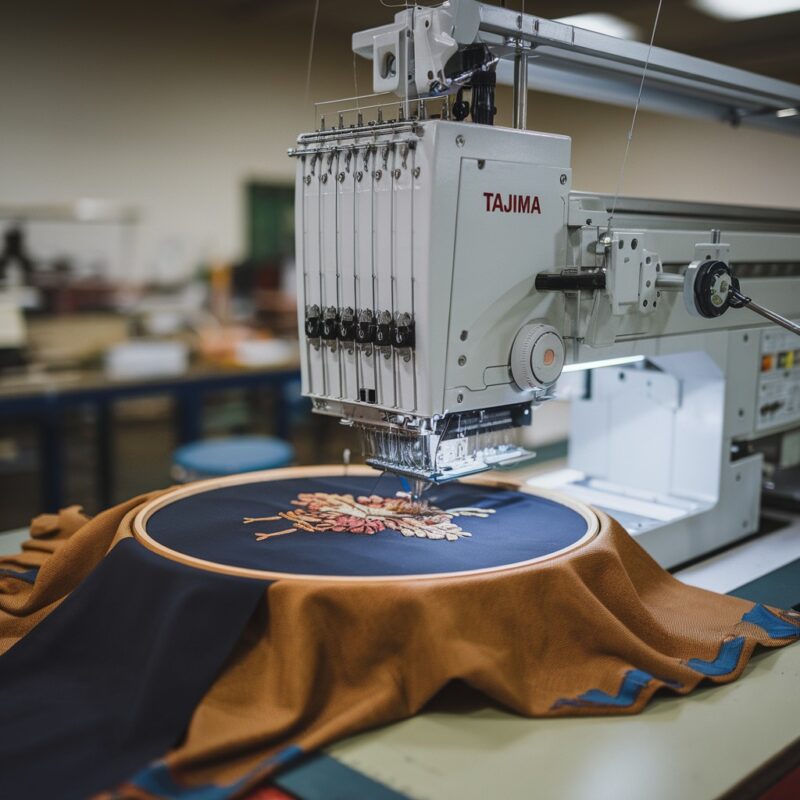
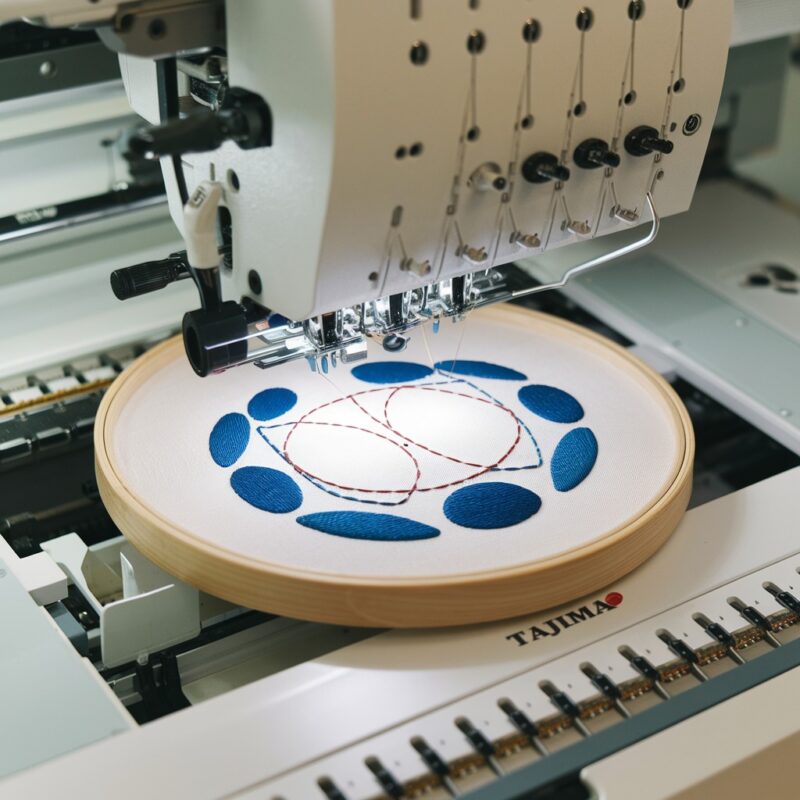
Ensure that the fabric is hooped tightly and evenly without stretching it. The fabric should be taut in the hoop to prevent shifting during embroidery. Use the right-sized hoop for the design to avoid unnecessary fabric movement. - Use High-Quality Thread
Choose high-quality embroidery threads that are compatible with your fabric and machine. Avoid low-quality or old threads that may cause tension issues. Test different thread types to find the best fit for your project. - Maintain a Consistent Machine Speed
Try to maintain a steady speed during embroidery to ensure even stitch quality. Sudden changes in speed can cause tension problems and irregular stitches, so keep a consistent pace, especially on intricate designs. - Regularly Clean the Machine and Bobbin Case
Keep your machine well-maintained by regularly cleaning the bobbin case, needle plate, and other areas prone to thread and lint buildup. Clean your machine frequently to prevent dirt or lint from affecting stitch quality.
Preventive Measures
- Frequent Testing: Always test your stitch settings on a scrap piece of fabric that matches your project to identify any tension or stitch problems before starting.
- Regular Maintenance: Keep the machine clean and oil it as recommended by the manufacturer to avoid tension problems caused by debris or lack of lubrication.
- Choose the Right Designs: Avoid overly dense designs that can cause the fabric to bunch or stretch, which leads to uneven stitching.
Conclusion
Uneven stitch quality in Hikone embroidery machines is often caused by tension issues, poor needle and thread selection, improper hooping, or lack of machine maintenance. By addressing these factors, you can achieve consistent and high-quality stitches on every project. Regularly check your machine settings, clean the machine, and test your designs to ensure the best results.