Barudan’s Embroidery Machine Bird’s Nesting: Common Errors and Solutions

Barudan’s Embroidery Machine Bird’s Nesting: Common Errors and Solutions
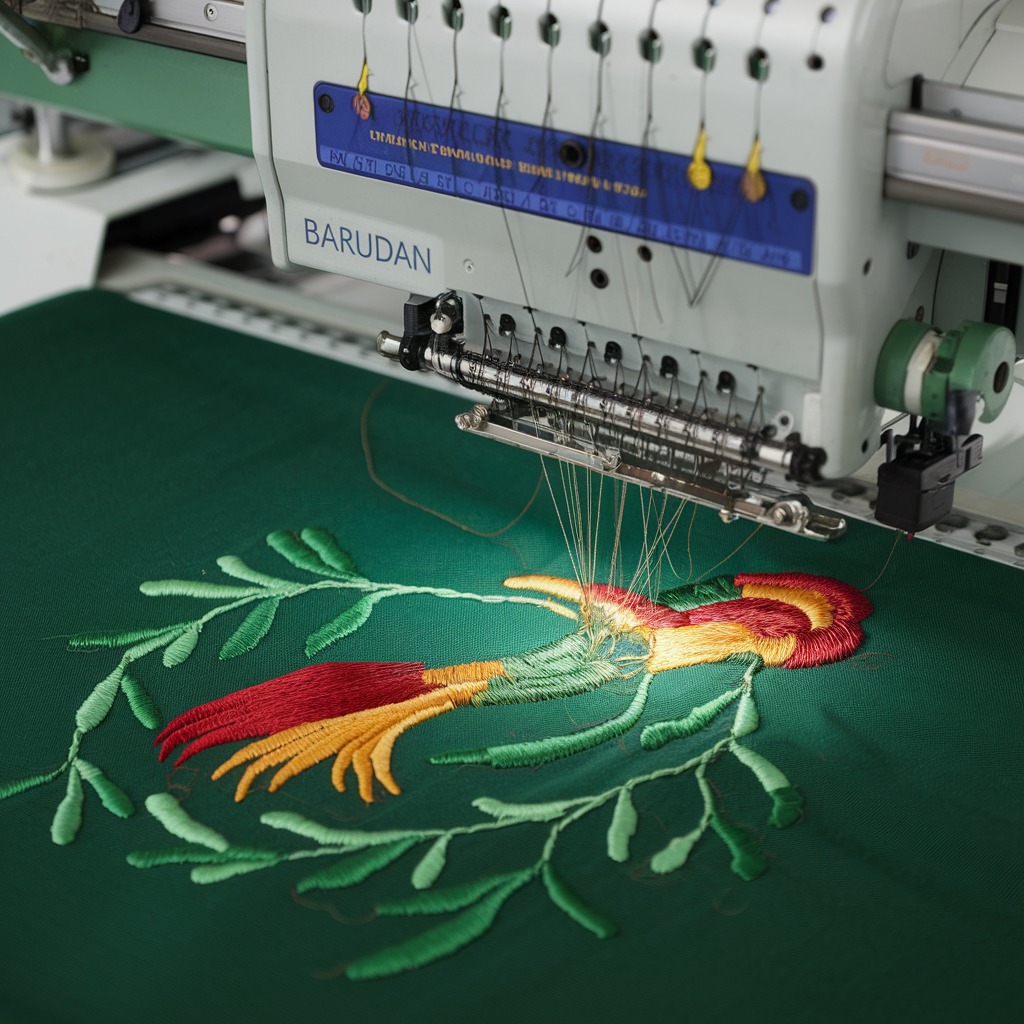
Bird’s nesting, where thread jams underneath the fabric during embroidery, is a frequent issue that can disrupt your work and damage both the fabric and the machine. The problem is often caused by incorrect thread tension, improper threading, or bobbin issues. This blog explores the common causes of birds nesting on Barudan embroidery machines and provides actionable solutions to help you avoid this frustrating problem.
1. Incorrect Thread Tension
Error: When the upper thread or bobbin thread tension is not correctly balanced, it can cause the thread to gather underneath the fabric, leading to bird nesting.

Solution:
- Upper Thread Tension: Ensure that the upper thread tension is properly set. If the upper thread is too loose, the needle will pull too much thread into the fabric, causing it to form a nest. Tighten the upper thread tension using the machine’s tension dial until the stitch quality improves.
- Bobbin Thread Tension: Check the bobbin tension and adjust as needed. Too loose or too tight bobbin tension can cause the lower thread to gather excessively. Use the Barudan machine manual to calibrate the correct bobbin tension.
2. Improper Threading
Error: Incorrect threading of the upper thread can lead to bird nesting, especially if the thread is not seated correctly in the tension discs.
Solution:
- Re-thread the machine carefully, making sure the thread follows the correct path through all guides, tension disks, and thread take-up levers.
- Ensure the thread is securely seated in the tension disks and there are no twists or tangles in the thread path.
- Always check the threading before starting a new project to prevent jamming.
3. Bobbin Case Issues
Error: A damaged or improperly seated bobbin case can cause the thread to bunch up under the fabric.
Solution:
- Inspect the bobbin case for signs of wear or damage and replace it if necessary. A faulty bobbin case can lead to inconsistent thread feed, causing bird’s nesting.
- Ensure the bobbin is correctly seated in the bobbin case, and that the bobbin thread is properly pulled through the tension spring.
- Regularly clean the bobbin case area to prevent lint or debris from affecting thread movement.
4. Poor Fabric Stabilization
Error: If the fabric is not properly stabilized, it may move during stitching, leading to bunching and thread jamming.
Solution:
- Use the correct stabilizer for the type of fabric you’re working with. Heavier fabrics often require heavier stabilizers, while lighter fabrics need lighter stabilizers.
- Make sure the fabric is tightly hooped and doesn’t shift during embroidery. A properly stabilized fabric will prevent the thread from jamming under the fabric.
- Consider using a double layer of stabilizer or a fusible stabilizer for particularly tricky fabrics.
5. Incorrect Needle Installation
Error: A poorly installed or bent needle can result in improper stitch formation, leading to thread jamming under the fabric.
Solution:
- Ensure that the needle is inserted all the way up into the needle clamp, with the flat side facing the correct direction according to Barudan’s specifications.
- Regularly check the needle for any signs of bending, dullness, or damage, and replace it after large projects or every 8-10 hours of use.
- Make sure the needle size is appropriate for the fabric and thread you’re using. A mismatch in needle size can increase the likelihood of jamming.
6. Thread Quality Issues
Error: Using poor-quality thread can lead to fraying, knotting, or excess lint, all of which contribute to a bird’s nesting.
Solution:
- Use high-quality, machine-compatible embroidery thread. Cheap or old threads are prone to breakage, tangling, and fraying, leading to thread jams.
- Store your threads properly, away from dust and moisture, to keep them in good condition.
- Frequently clean the thread path and tension disks to remove lint buildup, which can affect the smooth flow of the thread.
7. Incorrect Machine Speed
Error: Running the machine at too high a speed for certain fabrics or intricate designs can result in thread jams.
Solution:
- Reduce the machine speed when embroidering complex designs or using delicate threads. Slowing down the speed allows the machine to handle stitches with more precision, reducing the chance of bird nesting.
- Adjust the speed according to the fabric type. Thicker fabrics or layered materials may require a slower speed to ensure proper stitch formation.
8. Dirty or Worn Out Machine Parts
Error: A buildup of lint, dust, or debris inside the machine or around the bobbin area can interfere with the machine’s function, leading to bird nesting.
Solution:
- Clean the machine regularly, focusing on the bobbin area, tension discs, and needle plate. Remove lint, dust, and thread fragments that could obstruct the smooth flow of thread.
- Lubricate the machine as per the manufacturer’s recommendations to keep all moving parts in optimal condition.
- Schedule regular maintenance checks with a certified Barudan technician to ensure the machine is running smoothly.
Conclusion
Bird’s nesting or thread jamming under the fabric can be a common issue with Barudan embroidery machines, but it is preventable with the right techniques and regular machine maintenance. You can significantly reduce the chances of thread jams and bird nesting by ensuring proper threading, tension adjustments, and machine cleanliness. Regularly inspecting and servicing your machine will also keep it in optimal working condition, allowing for smooth, uninterrupted embroidery projects.