Troubleshooting Bird’s Nesting on Singer Futura XL-420


Troubleshooting Bird’s Nesting (Thread Jamming Under Fabric) on Singer Futura XL-420
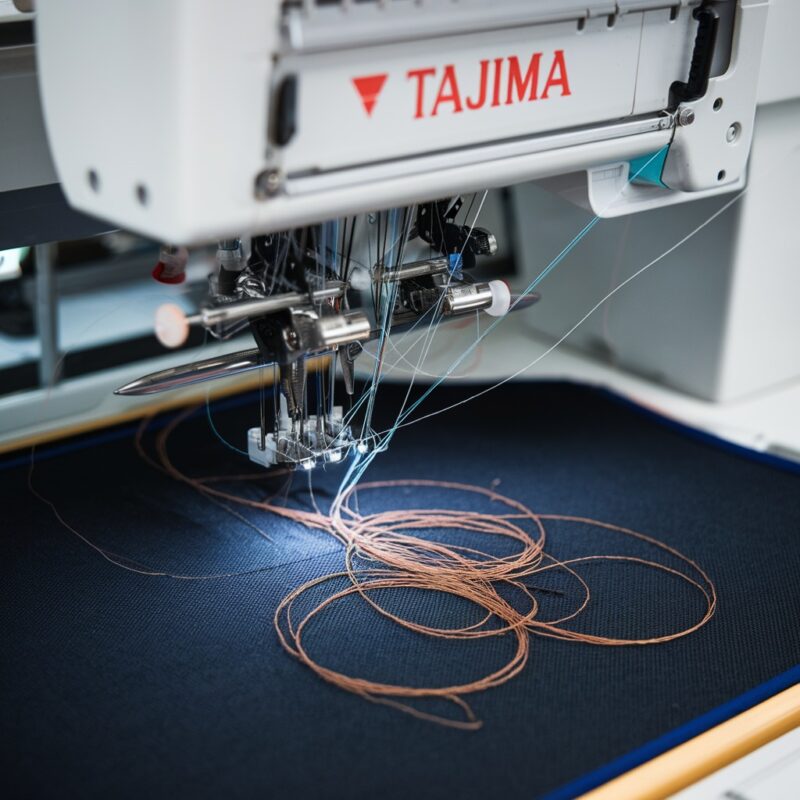
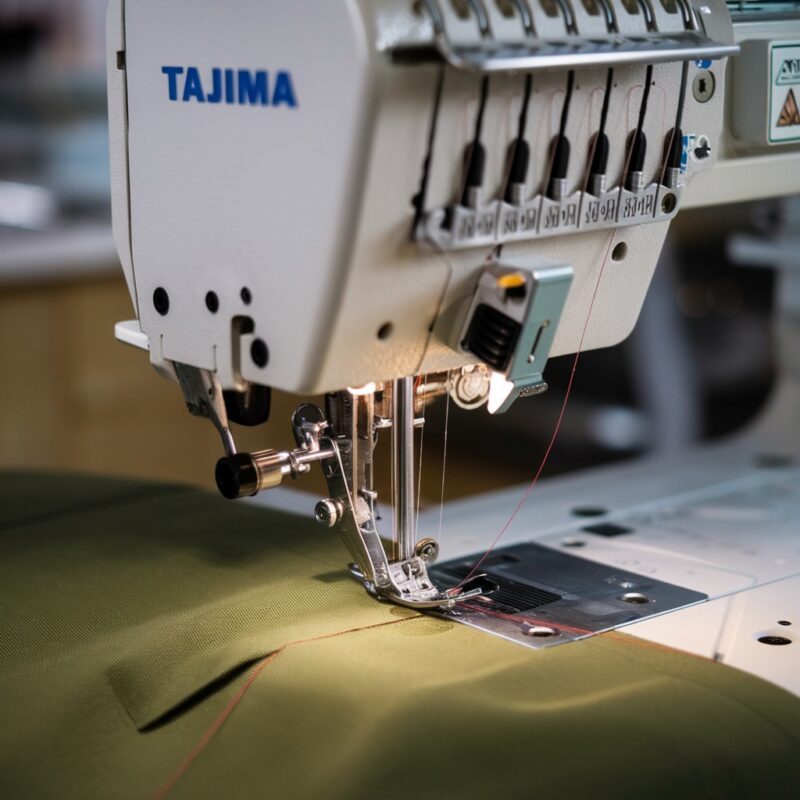
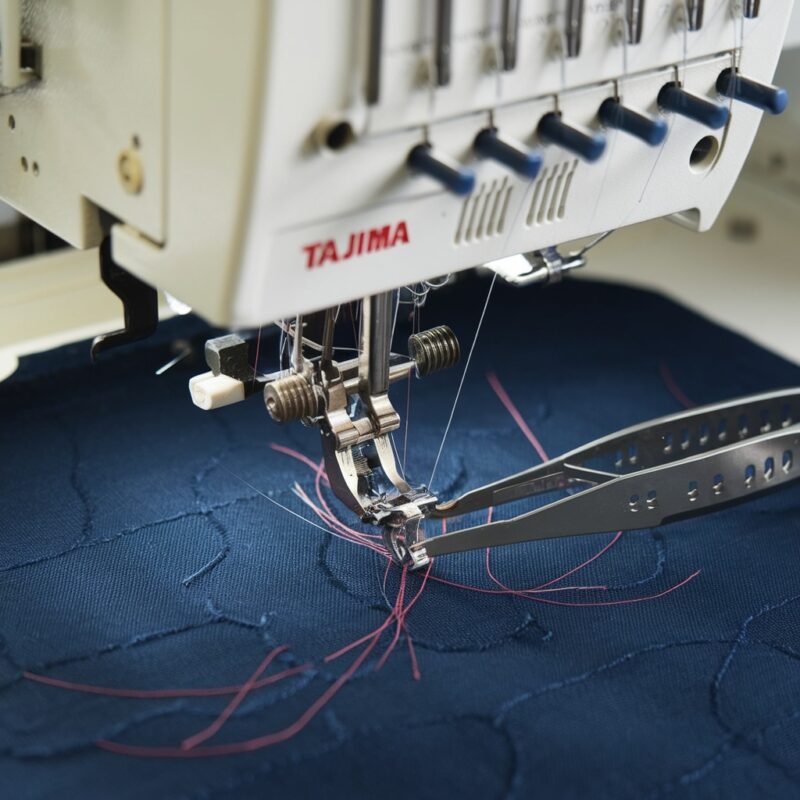
Bird’s nesting, also known as thread jamming under fabric, is a common issue with embroidery machines like the Singer Futura XL-420. This problem can disrupt the embroidery process, causing messy stitches and damage to the fabric. Let’s explore the causes and solutions to prevent bird nesting and ensure smooth embroidery.
Common Causes and Solutions for Bird’s Nesting in Singer Futura XL-420:
1. Incorrect Upper Threading
- Cause: One of the most common causes of bird nesting is improper upper threading. The thread may not be seated correctly in the tension discs, leading to excessive thread beneath the fabric.
- Solution: Re-thread the upper thread carefully. Ensure that the thread is properly seated in the tension discs and follows the correct threading path as outlined in the machine’s manual.
2. Bobbin Thread Issues
- Cause: Incorrect bobbin winding or improper bobbin insertion can lead to thread jams and bird nesting.
- Solution: Check the bobbin for proper winding. It should be smooth and evenly wound. Also, ensure that the bobbin is placed in the case correctly, with the thread tail running in the right direction as per the machine’s instructions.
3. Incorrect Tension Settings
- Cause: If the tension settings are too loose, the thread can gather underneath the fabric, creating a “bird’s nest.”
- Solution: Adjust the tension settings on your Singer Futura XL-420 to a balanced level. The upper and bobbin threads should form stitches without being too tight or too loose. Experiment with different settings until you achieve a smooth stitch formation.

4. Using the Wrong Needle or Needle Position
- Cause: Using the wrong needle type or having the needle incorrectly inserted can cause bird’s nesting by disrupting the stitch formation.
- Solution: Use the correct type of needle for your project. For embroidery, an embroidery-specific needle is recommended. Additionally, ensure that the needle is fully inserted and aligned correctly in the needle clamp.
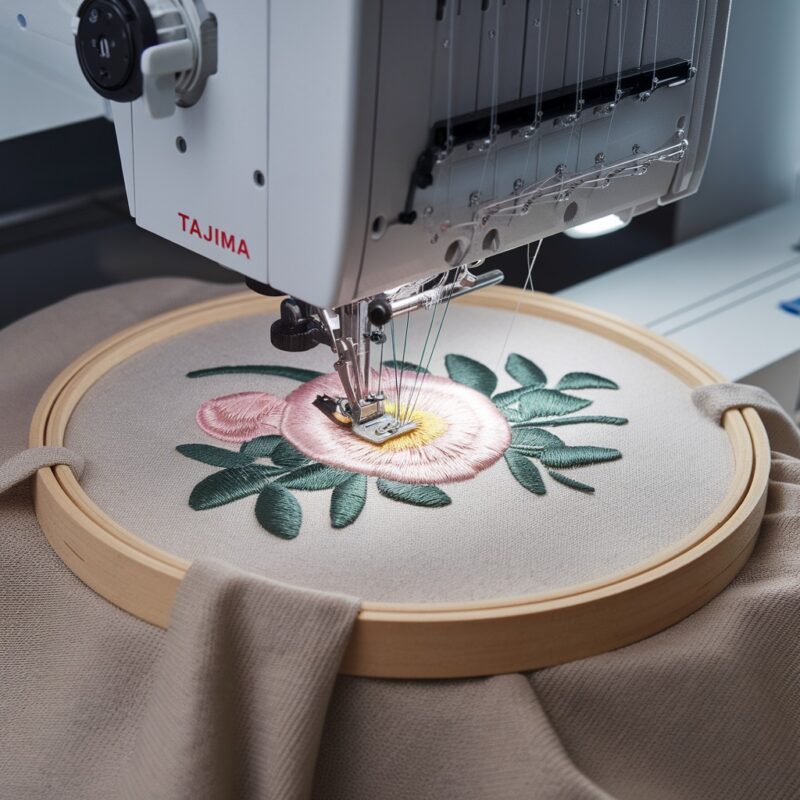
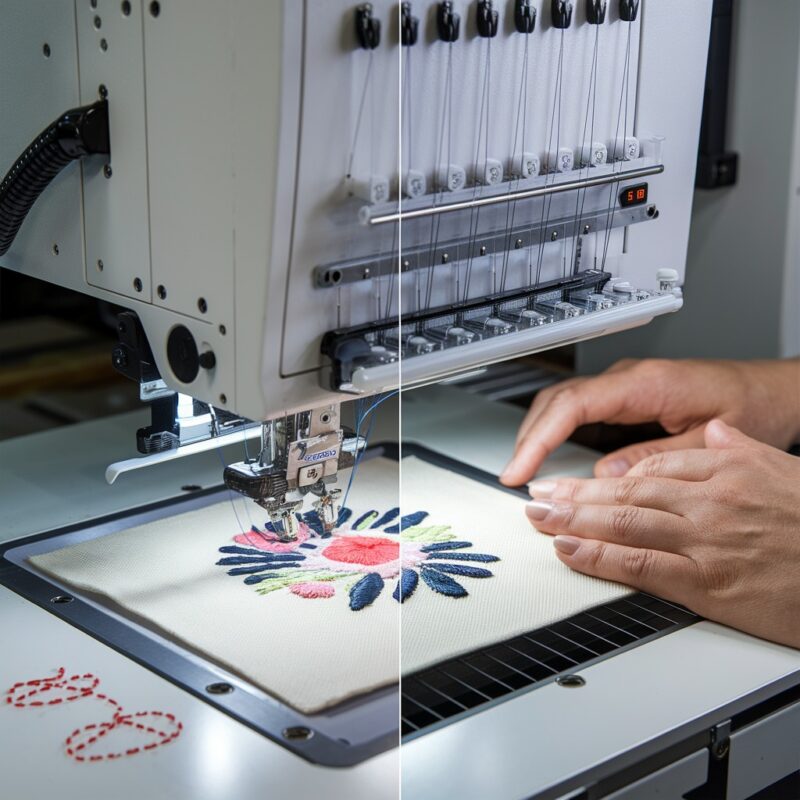
5. Fabric Not Properly Hooped
- Cause: If the fabric is not securely hooped, it may move during embroidery, leading to thread bunching or bird nesting under the fabric.
- Solution: Ensure the fabric is tightly hooped with no wrinkles or looseness. A well-hooped fabric will remain stable during stitching, reducing the risk of thread bunching.
6. Debris in the Bobbin Area
- Cause: Lint, dust, or loose threads in the bobbin area can interfere with the thread path, leading to a bird’s nesting.
- Solution: Regularly clean the bobbin case and surrounding areas of your machine. Remove any lint, dust, or thread fragments that may have accumulated. Keeping the bobbin area clean will help prevent thread jams.
7. Using Old or Poor-Quality Thread
- Cause: Inferior or old threads can break easily or become tangled, contributing to the bird’s nesting under the fabric.
- Solution: Use high-quality embroidery threads and avoid using old or damaged thread. Ensure the thread flows smoothly through the machine to prevent tangling and jamming.
8. Incorrect Bobbin Case Placement
- Cause: If the bobbin case is not inserted properly or securely, it may shift during stitching, causing the thread to jam.
- Solution: Double-check that the bobbin case is properly seated in its position. It should click into place securely, and the bobbin thread should move smoothly when pulled.
9. Thread Catching on Spool or Guides
- Cause: Sometimes, thread may get caught on the spool or guides, causing it to pull too tightly or jam, leading to bird’s nesting.
- Solution: Check the thread spool and guides to ensure the thread is flowing smoothly without catching anything. Consider using a thread stand to provide consistent thread tension.
10. Update Machine Firmware
- Cause: Outdated firmware or software bugs may cause erratic thread movement, leading to bird’s nesting.
- Solution: Check for firmware updates on the Singer website or through the machine’s software. Installing the latest updates can resolve software-related issues that contribute to thread jamming.
11. Check for Bent or Dull Needle
- Cause: A bent or dull needle may not penetrate the fabric cleanly, causing the thread to bunch underneath.
- Solution: Regularly inspect your needle and replace it if it appears bent or dull. For best results, use a new needle with every project or after several hours of use.
12. Slow Down Stitching Speed
- Cause: Embroidery machines operating at high speeds can sometimes cause thread tension to fluctuate, leading to bird’s nesting.
- Solution: Reduce the machine‘s stitching speed. Slower speeds allow the thread to move more consistently and evenly, preventing excessive thread build-up beneath the fabric.
13. Ensure Consistent Thread Tension Throughout the Project
- Cause: Changes in tension settings during the embroidery process may lead to thread bunching and bird nesting.
- Solution: Set your tension levels at the beginning of the project and avoid adjusting them during the embroidery process unless absolutely necessary. Test stitch on scrap fabric to ensure consistency.
14. Use a Stabilizer Suitable for the Fabric
- Cause: Inadequate or incorrect stabilizers can cause fabric movement during stitching, leading to bird nesting.
- Solution: Select the correct stabilizer for the type of fabric you’re using. For stretchy or lightweight fabrics, use a stronger or thicker stabilizer to ensure the fabric stays in place during embroidery.
15. Adjust the Presser Foot Pressure
- Cause: The presser foot may exert too much or too little pressure on the fabric, causing uneven fabric movement and thread bunching.
- Solution: Adjust the presser foot pressure according to the fabric type. Thicker fabrics may require less pressure, while thin fabrics may need more pressure to keep the fabric stable during embroidery.
16. Recalibrate the Embroidery Hoop Alignment
- Cause: If the embroidery hoop is misaligned, the needle may pull the fabric unevenly, leading to thread jamming.
- Solution: Recalibrate the embroidery hoop alignment to ensure the fabric is held securely and moves in sync with the machine’s needle.
17. Avoid Overfilling the Bobbin
- Cause: Overfilled bobbins can cause thread jams and lead to birds nesting under the fabric.
- Solution: Ensure the bobbin is only filled to the recommended level. Overfilled bobbins may cause inconsistent thread tension and lead to bird nesting.
18. Inspect for Wear and Tear
- Cause: Over time, parts of the machine may wear down, causing issues with thread tension and stitch consistency.
- Solution: Regularly inspect your machine for signs of wear, especially in high-usage areas like the bobbin case, tension discs, and needle plate. Replace worn-out parts to maintain proper machine function.
Conclusion:
By following these advanced solutions, users of the Singer Futura XL-420 can effectively minimize and prevent bird nesting or thread jamming under the fabric. Proper maintenance, careful attention to threading, and regular part checks are crucial to ensuring high-quality, jam-free embroidery.