Blog
Singer Futura XL-400: Troubleshooting Thread Breakage

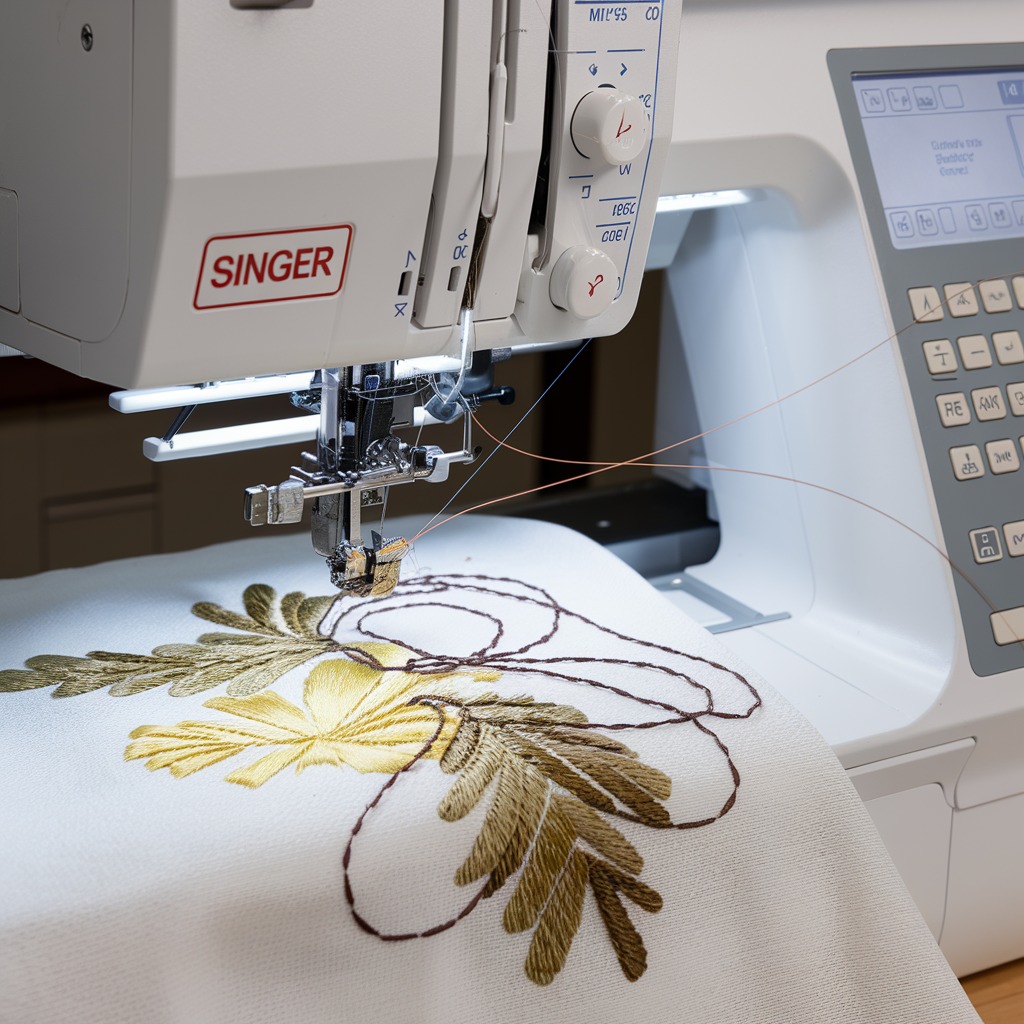
Quick answer: Frequent thread breakage on your Singer Futura XL-400 is often caused by incorrect threading, improper tension, a damaged or wrong needle, or bobbin issues. Systematically check these areas to resolve the problem.
Frequent thread breakage can be a frustrating interruption to your embroidery projects on the Singer Futura XL-400. This guide provides practical, step-by-step solutions to diagnose and resolve the most common causes of thread snapping, helping you achieve smooth, uninterrupted stitching.
Two-minute checks before you open anything
- Is the machine threaded correctly, including all guides and tension discs?
- Is the upper thread tension set appropriately for your thread and fabric?
- Is the needle new, sharp, and the correct type/size for your project?
- Is the bobbin wound evenly and inserted correctly with proper tension?
- Are you using high-quality embroidery thread?
1. Incorrect Threading high likelihood
How to tell
Thread snaps frequently, especially at the start of stitching or during direction changes. Visually inspect the thread path for missed guides, twists, or snags.
Fix
- Completely remove the upper thread from the machine.
- Consult your Singer Futura XL-400 manual for the precise threading path.
- Re-thread the machine carefully, ensuring the thread passes through every guide, tension disc, and the take-up lever correctly.
- Ensure the presser foot is raised during threading to open the tension discs.
Ensure the thread is seated correctly in all guides and tension discs.
Parts involved: Thread path & tension → Threads & supplies →
2. Upper Thread Tension Too High high likelihood
How to tell
Upper thread breaks, often with a 'popping' sound. Stitches may appear tight or puckered on the fabric surface. Test by stitching on scrap fabric; if the bobbin thread is pulled to the top, tension is too high.
Fix
- Locate the upper thread tension dial on your machine.
- Turn the tension dial slightly counterclockwise to decrease tension.
- Perform a test stitch on scrap fabric. Adjust in small increments until stitches are balanced (top and bobbin threads meet evenly between fabric layers).
The tension assembly components may need cleaning if tension adjustment is ineffective.
Parts involved: Thread path & tension →
Parts you may need for Singer
In stock, tested before dispatch, Buyer Protection on every order. Part types for this problem: Rotary hooks & bobbin cases, Needles & needle bars, Thread path & tension, Presser feet & sewing parts.
 Bobbin Case & 2 Metal Bobbins for Brother, Janome, Singer, Babylock...$ 5.59View part →
 11PCS Low Shank Presser Foot Kit Set for Singer Brother Janome Kenm...$ 23.49View part →
 PET-121 40WT 120D/2 Polyester Embroidery Thread 4000M Spool, 80 Mad...$ 17.49View part →
 Flying Tiger DBx1 Industrial Lockstitch Needles, 100 pcs/box, Sizes...$ 10.99View part →
 PET-80 80 Madeira Colors Embroidery Thread Set - Premium 40WT Polye...$ 15.99View part →40 Weight 120D/2 Polyester Embroidery Thread 4000M PET-121 for Brot...$ 17.49View part →
All Singer parts → Rotary Hooks & Bobbin Cases → Needles & Needle Bars → Thread Path & Tension →
3. Damaged or Wrong Needle high likelihood
How to tell
Needle breaks, bends, or thread frays/breaks as it passes through the needle eye. Skipped stitches may also occur. Visually inspect the needle tip for dullness, burrs, or bends.
Fix
- Ensure the needle is inserted correctly, fully seated with the flat side facing the back of the machine.
- Replace the needle with a new, sharp needle of the correct type and size for your fabric and thread (e.g., size 75/11 or 80/12 for most embroidery).
- Ensure the needle clamp screw is tightened securely.
Needles are consumable parts and should be replaced regularly, especially after hitting a hoop or hard object.
Parts involved: Needles & needle bars →
4. Bobbin Thread Issues medium likelihood
How to tell
Upper thread breaks, often accompanied by tangling in the bobbin area or inconsistent bobbin thread showing on the top. The bobbin may be unwinding unevenly or have incorrect tension.
Fix
- Remove the bobbin case and bobbin.
- Inspect the bobbin for even winding; re-wind if uneven or replace if damaged.
- Clean the bobbin case and surrounding area of any lint or thread scraps.
- Re-insert the bobbin correctly into the bobbin case, ensuring the thread feeds smoothly through the tension spring.
- Re-insert the bobbin case into the machine, ensuring it clicks into place. If bobbin tension is adjustable, refer to your manual for adjustment procedures.
A worn bobbin case or damaged bobbin tension spring can cause consistent issues.
Parts involved: Rotary hooks & bobbin cases → Threads & supplies → Lubrication & maintenance →
5. Poor Quality or Incompatible Thread medium likelihood
How to tell
Thread frays, shreds, or breaks easily, even with correct tension and threading. This is more common with older, dry, or generic threads not designed for high-speed embroidery.
Fix
- Replace the current thread with a high-quality embroidery thread (e.g., polyester or rayon) from a reputable brand.
- Ensure the thread is stored correctly to prevent drying out or damage.
- If using specialty threads (e.g., metallic), consider slowing down the machine speed and using a larger needle (e.g., metallic needle).
Thread quality significantly impacts machine performance.
Parts involved: Threads & supplies →
6. Lint and Debris Buildup low likelihood
How to tell
Thread snags, frays, or breaks intermittently. Machine may sound sluggish or make unusual noises. Visible lint and thread bits are present in the bobbin area, needle plate, or thread path.
Fix
- Turn off and unplug the machine.
- Remove the needle plate, bobbin case, and bobbin.
- Use a small brush and/or vacuum cleaner to thoroughly remove all lint and debris from the bobbin area, feed dogs, and under the needle plate.
- Clean the upper thread path, including tension discs and guides, with a soft brush or compressed air.
- Reassemble components and test.
Regular cleaning is essential for preventing buildup.
Parts involved: Lubrication & maintenance → Screws, springs & small parts →
7. Outdated Firmware low likelihood
How to tell
Thread breakage occurs without clear mechanical cause, or machine exhibits unusual behavior. This is a less common cause but can sometimes introduce stitching inconsistencies.
Fix
- Visit the official Singer support website for the Futura XL-400.
- Check for the latest firmware updates available for your machine model.
- Follow the manufacturer's instructions precisely to download and install any available updates. This typically involves using a USB drive.
Firmware updates can improve machine stability and performance.
Parts involved: Circuit boards & electronics → Floppy, USB & memory →
Stop and call a technician if
- If you have systematically checked all the above causes and the thread breakage persists.
- If you suspect internal mechanical damage (e.g., timing issues, bent hook assembly).
- If the machine displays error codes not related to simple threading or tension issues.
- If you are uncomfortable performing any of the advanced inspection or repair steps.
Prevent it coming back
- Always use high-quality embroidery thread suitable for machine embroidery.
- Ensure the machine is threaded correctly every time, following the manual's instructions.
- Set the upper thread tension appropriately for your specific thread and fabric combination.
- Use a new, sharp needle of the correct type and size for each project, replacing it regularly.
- Keep the bobbin area and thread path clean from lint and debris.
- Use the correct stabilizer for your fabric and design density.
- Avoid over-tightening the embroidery hoop; the fabric should be taut but not stretched.
- Consider slowing down the machine speed for complex designs or specialty threads.
- Ensure your machine's firmware is up to date.
Frequently asked questions
What is the best type of thread to use for embroidery on the Singer Futura XL-400?
For optimal performance and to minimize thread breakage, use high-quality embroidery threads such as polyester or rayon. These threads are designed to withstand the speeds and tension of embroidery machines.
How often should I clean my Singer Futura XL-400?
Regular cleaning is crucial. It's recommended to clean the bobbin area and under the needle plate after every 8-10 hours of use, or after completing a large project, to remove lint and debris.
Can a bent needle cause thread breakage?
Yes, a bent or dull needle can cause significant thread breakage. It can snag the thread, create friction, or cause the thread to shred as it passes through the eye. Always replace damaged needles immediately.
Did this guide fix your machine?
Rate it - it helps other operators find the right fix.
Not sure which part is failing?
Need the logo stitched too?
Get your logo digitized by the people who know this machine
Upload the artwork, see the stitch count and the exact price in 10 seconds, then order with a free sew-out preview. $1 per 1,000 stitches, $10 minimum, 24-hour delivery. Vector conversion from $12.
After the fix
Fixed it? Keep the rest of the shop moving.
OS 360 is the shop software from the team behind this parts store. Every job keeps its status, deadline and owner while a Futura XL-400 head is down, restock alerts fire for needles, hooks and bobbins before you run dry, and quotes, invoices and payment live in one place.
- Jobs with status, deadline and owner - nothing slips during downtime
- Inventory with restock alerts, this store one click away
- Instant quotes, invoices and one place to collect payment