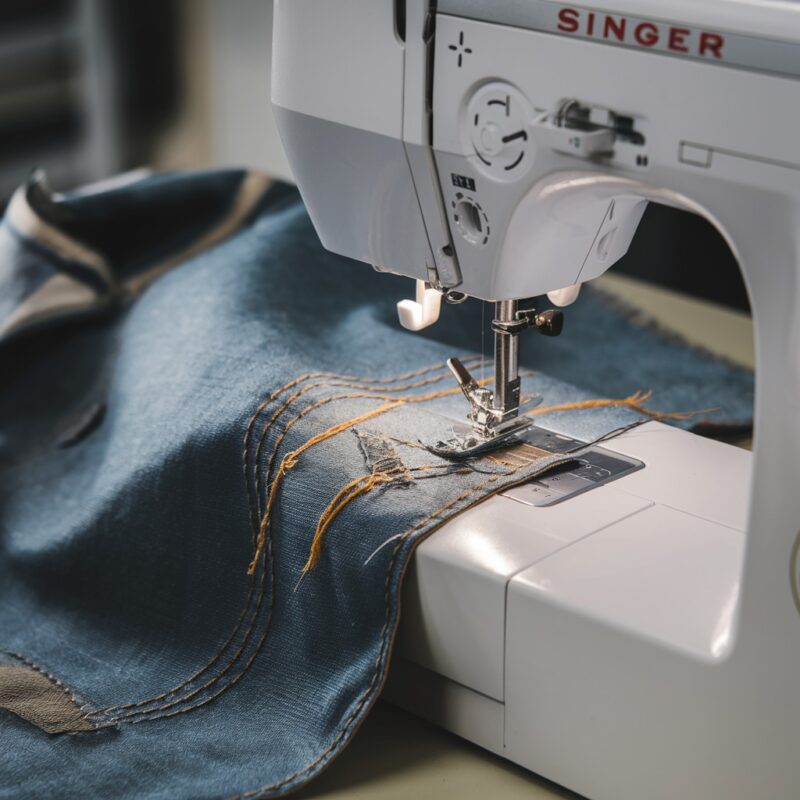
PFAff Embroidery Machine Uneven Stitch Quality: Common Errors & How to Fix Them


Uneven Stitch Quality: Common Errors & How to Fix Them
The uneven stitch quality is a frequent challenge that can affect the overall look of your embroidery projects. Whether you’re dealing with inconsistent stitch lengths, loose or tight stitches, or uneven patterns, poor stitch quality can ruin even the most intricate designs. Understanding the common causes behind uneven stitch quality can help you pinpoint the problem and find solutions to achieve consistent, professional results.
In this blog, we’ll explore the most common errors that lead to uneven stitching and offer practical tips on how to fix them.
1. Incorrect Thread Tension
Error: One of the most common causes of uneven stitches is incorrect thread tension. If the upper or bobbin thread tension is set too high or too low, it will create an imbalance in the stitches, leading to loops, bunching, or overly tight stitches.
Solution:
- Adjust the thread tension based on your fabric and thread. The upper thread tension should create stitches that are evenly balanced between the top and bottom of the fabric.
- Test your tension settings on a scrap piece of fabric before starting your project, and adjust the tension dial gradually until you achieve even stitches.
2. Worn or Incorrect Needle
Error: A worn-out or incorrect needle can contribute to uneven stitching. A dull needle may struggle to penetrate the fabric smoothly, leading to inconsistent stitches, skipped stitches, or fabric damage.
Solution:
- Replace your needle regularly, especially if you’ve been working on multiple projects. Use a fresh needle suited for your fabric type to ensure smooth stitching.
- Choose the correct needle size and type based on the fabric and thread you’re using. For example, use a smaller needle for delicate fabrics and a stronger needle for heavier materials.
3. Poorly Wound Bobbin
Error: An improperly wound bobbin can cause uneven stitch quality, with the thread either feeding too loosely or too tightly. Unevenly wound bobbins can lead to inconsistent stitching, thread breaks, or tangling.
Solution:
- Make sure the bobbin is wound evenly with no loose threads. Avoid winding the bobbin too quickly, as this can create uneven tension.
- Always check that the bobbin is inserted correctly into the bobbin case, and ensure it’s feeding smoothly before you start stitching.

4. Fabric Not Hooped Properly
Error: If the fabric is not hooped tightly or is stretched unevenly, it can move during the embroidery process, causing the stitches to become uneven or misaligned.
Solution:
- Ensure that the fabric is hooped tightly and evenly before beginning your project. The fabric should be taut and flat, with no slack or wrinkles.
- Use a high-quality embroidery hoop or frame to keep the fabric stable throughout the stitching process, and consider using a stabilizer to help prevent fabric shifting.
5. Inconsistent Machine Speed
Error: Rapid or inconsistent changes in machine speed can cause uneven stitch formation. This is especially true when working on delicate or detailed designs that require precision.
Solution:
- Maintain a consistent machine speed when embroidering, especially on detailed designs. Avoid running the machine at high speeds for extended periods, as this can affect stitch quality.
- For intricate or complex designs, slow down the machine speed to give it more control and precision, allowing for even stitch placement.
6. Using the Wrong Thread
Error: Incompatible or low-quality thread can lead to uneven stitch quality. Threads that are too thick, too thin, or prone to breaking can cause tension issues and inconsistent stitch patterns.
Solution:
- Use high-quality embroidery thread that matches your fabric and design requirements. Avoid mixing different thread types (e.g., cotton and polyester) in the same project, as this can affect tension.
- Select a thread weight that is suitable for the design and fabric. Heavier fabrics often require stronger threads, while lightweight fabrics need finer threads for smooth stitching.
7. Skipping Machine Maintenance
Error: Neglecting routine machine maintenance can lead to poor stitch quality. Lint, dust, and thread debris can accumulate in the machine‘s key areas, leading to uneven stitching and other performance issues.
Solution:
- Clean your machine regularly, focusing on the bobbin case, feed dogs, and tension discs. Remove any lint or thread buildup that might interfere with smooth thread movement.
- Oil the machine according to the manufacturer’s instructions to ensure all moving parts are functioning properly. Regular maintenance helps prevent wear and tear that can affect stitch quality.
8. Incorrect Needle Plate or Presser Foot Pressure
Error: If the presser foot pressure is too high or too low, it can cause the fabric to either bunch up or slide, resulting in uneven stitches. Similarly, a damaged needle plate can cause uneven fabric feeding, leading to stitch inconsistency.
Solution:
- Adjust the presser foot pressure based on the thickness and type of fabric you’re working with. For thicker fabrics, reduce the pressure, and for lighter fabrics, increase it slightly.
- Check the needle plate for any damage, scratches, or burrs that might interfere with fabric movement, and replace it if necessary.
9. Check the Presser Foot Pressure
If the presser foot pressure is incorrectly set, it may cause the fabric to shift or bunch, resulting in uneven stitches.
Solution:
- Adjust the presser foot pressure according to the fabric type and thickness.
- Use a walking foot for layered fabrics or slippery materials to maintain even feed.
10. Verify Threading Path
Incorrect threading of the machine can lead to thread tension inconsistencies, causing uneven stitching.
Solution:
- Re-thread the machine, ensuring the thread passes through all guides and tension discs properly.
- Confirm that the thread spool is installed correctly to prevent snagging or tangling.
11. Use the Correct Stabilizer Combination
Even with a stabilizer, some fabrics may require additional support to prevent shifting during stitching.
Solution:
- Combine stabilizers (e.g., a cut-away with a water-soluble topper) for tricky fabrics like stretchy knits or dense embroidery designs.
- Match the stabilizer’s weight and type to the fabric and design requirements.
12. Inspect the Feed Mechanism
If the feed dogs are not working evenly or are dirty, they may fail to move the fabric consistently, causing uneven stitches.
Solution:
- Clean the feed dogs using a lint brush or vacuum to remove dust and thread debris.
- If feed dogs are worn, consult a technician to replace or adjust them.
13. Address Thread Nesting in the Bobbin Area
Thread nests or tangles under the fabric can disrupt stitch uniformity and cause damage to the embroidery design.
Solution:
- Ensure the bobbin is wound evenly and installed correctly.
- Use only bobbin thread compatible with your Pfaff embroidery machine model.
14. Optimize Embroidery Design Settings
Certain designs with high-density stitches or intricate details may challenge the machine’s ability to maintain even stitch quality.
Solution:
- Edit the design using Pfaff-compatible software to reduce stitch density in problem areas.
- Test the design on scrap fabric to identify any weak spots before stitching on your project.
15. Update Machine Software
Outdated firmware can sometimes cause performance issues, including inconsistent stitching.
Solution:
- Check for firmware updates on the Pfaff website or through your local dealer.
- Update the machine’s software to the latest version for improved performance and compatibility.
Conclusion: Achieving Consistent Stitch Quality
Achieving even stitch quality is crucial for professional-looking embroidery. By addressing common issues like thread tension, fabric hooping, machine maintenance, and thread selection, you can significantly improve the consistency and quality of your stitches. Always take the time to test your machine settings on scrap fabric, use the right tools for the job, and maintain your embroidery machine regularly.
With these simple tips, you’ll be able to create flawless, even stitches in all your embroidery projects.