
Blog
Pfaff 545 Series: Maintenance Guide


Quick answer: Regular maintenance for your Pfaff 545 series machine involves daily cleaning and oiling, weekly checks of critical components like the needle and hook, and periodic replacement of wear parts such as needles, rotary hooks, and presser feet to ensure optimal performance and stitch quality.
Maintaining your Pfaff 545 industrial sewing machine is crucial for its longevity, consistent performance, and high-quality stitching. As a robust workhorse, the Pfaff 545 benefits greatly from regular cleaning, lubrication, and timely replacement of wear parts. This guide provides a comprehensive maintenance schedule and identifies common wear items to help you keep your machine in top condition. Always refer to your machine's official manual for specific lubrication points and detailed instructions.
Two-minute checks before you open anything
- Check needle for sharpness and straightness.
- Ensure bobbin is wound evenly and correctly inserted.
- Verify upper thread is correctly threaded through all guides and tension discs.
- Check for any visible lint buildup around the needle plate, feed dogs, and hook area.
- Listen for any unusual noises during initial operation.
1. Groz-Beckert 134 DPX5 135X5 Industrial Sewing Needles high likelihood
How to tell
Skipped stitches, frequent thread breakage, fabric damage (holes or snags), dull or bent needle point, burrs around the needle eye. A worn needle can also cause uneven stitch tension.
Fix
- Inspect the needle point for sharpness and straightness. Run a finger (carefully!) over the point to feel for burrs.
- Check the needle eye for any nicks or rough edges that could fray thread.
- Replace the needle immediately if any damage is found or if stitch quality declines.
- Always use the correct needle system (DPx5) and size for your thread and material.
Needles are consumables and should be replaced regularly, even if no visible damage is present, as they dull with use.
Parts involved: Needles & needle bars →
2. HPF-1242(A) Rotary Hook + Cap ASM medium likelihood
How to tell
Poor stitch formation, loose stitches, thread fraying or breaking specifically in the bobbin area, unusual clicking or grinding noises from the hook mechanism, difficulty inserting or removing the bobbin case, or visible burrs/scratches on the hook point or race.
Fix
- Remove the bobbin case and bobbin.
- Carefully inspect the hook point for any nicks, burrs, or dullness. Use a magnifying glass if available.
- Check the hook race (the channel where the bobbin case sits) for lint buildup, scoring, or damage.
- Clean the hook area thoroughly with a brush and compressed air.
- If significant damage (burrs, deep scratches, or a dull point) is present, the rotary hook assembly should be replaced.
- Ensure the new hook is properly installed and timed according to your machine's service manual.
A damaged hook can severely impact stitch quality and lead to further machine issues if not addressed.
Parts involved: Rotary hooks & bobbin cases →
Parts you may need for Pfaff
In stock, tested before dispatch, Buyer Protection on every order. Part types for this problem: Needles & needle bars, Rotary hooks & bobbin cases, Presser feet & sewing parts, Thread path & tension.
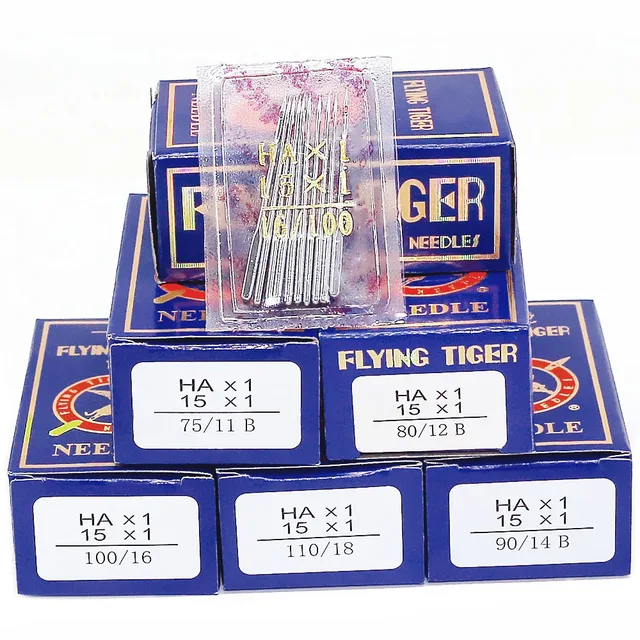 Flying Tiger HAX1 15x1 Sewing Machine Needles 100-Pack for Brother ...$ 13.99View part →
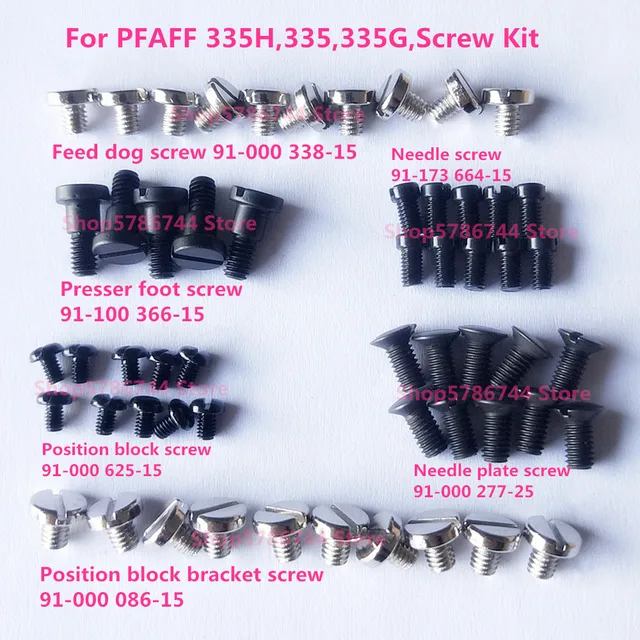 PFAFF 335H, 335, 335G Needle Plate, Feed Dog, Needle, Presser Foot,...$ 27.09View part →
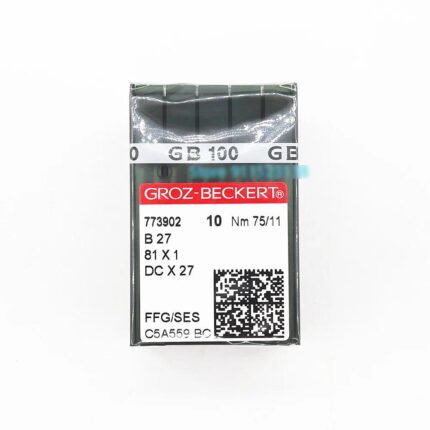 Groz-Beckert B27 DCX27 81X1 FFG/SES Industrial Sewing Needles Nm 75...$ 37.49View part →
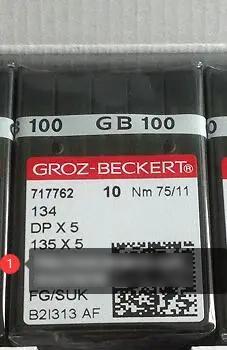 Groz-Beckert 134 DPX5 135X5 Industrial Sewing Needles 100-Pack for ...$ 39.29View part →
 KRT470-R Rotary Hook for PFAFF 471-493, GOLDEN WHEEL 9910, 9920, 88...$ 33.99View part →
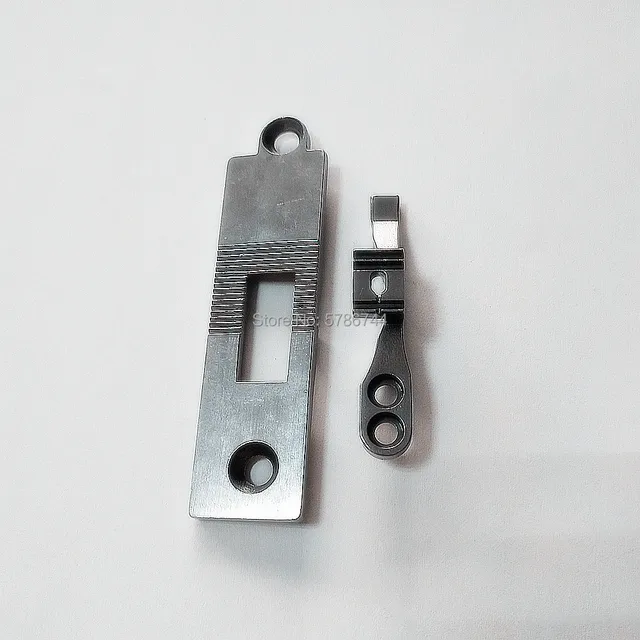 PFAFF 91-026746-04C Needle Plate & 91-026745-04C Feed Dog Set for 1...$ 36.09View part →
All Pfaff parts → Needles & Needle Bars → Rotary Hooks & Bobbin Cases → Presser Feet & Sewing Parts →
3. Left & Right Toe Zipper Binding Feet Set medium likelihood
How to tell
Uneven feeding of material, marks or impressions on the fabric from worn foot edges, difficulty guiding material, excessive noise as the foot contacts the feed dog, or visible wear (grooves, flattened areas) on the underside of the presser foot.
Fix
- Visually inspect the bottom surface of both presser feet for wear, especially along the edges that contact the fabric and feed dogs.
- Check for any burrs or sharp edges that could snag fabric.
- Ensure the feet are securely attached and not wobbly.
- If significant wear or damage is present, replace the entire set or individual worn feet.
- Confirm the correct presser foot pressure after replacement.
Presser feet wear down over time due to friction with fabric and feed dogs, especially with abrasive materials.
Parts involved: Presser feet & sewing parts →
4. Unbranded 91-011755-05 Take-Up Lever low likelihood
How to tell
Inconsistent stitch tension, looping on the top or bottom of the fabric, thread fraying or breaking as it passes through the take-up lever eye, or visible wear (grooves, nicks) in the thread guide eye of the lever itself. The lever might also feel loose or have excessive play.
Fix
- Carefully inspect the thread guide eye on the take-up lever for any sharp edges, nicks, or grooves that could abrade the thread.
- Check the lever's pivot points for excessive play or stiffness.
- Clean any lint or debris from around the take-up lever mechanism.
- If the thread guide eye is damaged or the lever has significant mechanical play that cannot be adjusted, replacement is necessary.
While durable, the take-up lever's thread guide eye can wear over many years of use, especially with abrasive threads.
Parts involved: Thread path & tension → Head & mechanical parts →
5. Pfaff 91-013139-05 Tension Support Rods low likelihood
How to tell
Inconsistent upper thread tension that is difficult to adjust, thread jumping out of tension discs, or visible bending or damage to the support rods themselves. The tension assembly might feel loose or misaligned.
Fix
- Visually inspect both tension support rods for any signs of bending, corrosion, or damage.
- Ensure the tension assembly is securely mounted on the rods and does not wobble excessively.
- Check that the tension discs are sitting correctly and are not binding.
- If a rod is bent or damaged, it should be replaced to ensure proper alignment and function of the tension unit.
These rods provide the structural support for the upper thread tension assembly. Damage can lead to unstable tension.
Parts involved: Thread path & tension → Screws, springs & small parts →
Maintenance schedule
| When | What to do | Why |
|---|---|---|
| Daily / Every Shift | Clean and Oil | Removes lint and debris from the needle plate, feed dogs, and bobbin area. Lubricates critical moving parts to reduce friction and wear, preventing premature component failure and ensuring smooth operation. |
| Weekly / Every 40-60 Hours | Inspect and Clean Rotary Hook | Thoroughly clean the rotary hook assembly, removing all lint and thread bits. Inspect the hook point and race for burrs or damage. This prevents thread fraying, skipped stitches, and potential damage to the hook. |
| Weekly / Every 40-60 Hours | Inspect Presser Feet and Feed Dogs | Check presser feet for wear, burrs, or damage that could mark fabric or affect feeding. Clean feed dog teeth to ensure proper material transport. Replace worn feet as needed. |
| Monthly / Every 160-240 Hours | Clean Thread Path Components | Inspect and clean all thread guides, tension discs, and the take-up lever eye for lint, burrs, or grooves. This ensures smooth thread flow and consistent tension, preventing thread breakage and poor stitch quality. |
| Monthly / Every 160-240 Hours | Check Belts and Pulleys | Inspect drive belts for cracks, fraying, or excessive looseness. Ensure pulleys are clean and free of debris. Proper belt tension is crucial for consistent motor power transfer. |
| Every 3-6 Months / Every 500-1000 Hours | Deep Clean and Lubricate Internal Mechanisms | This involves accessing less visible areas, cleaning out accumulated lint and old oil, and re-lubricating according to the manufacturer's manual. This extends the life of internal shafts, gears, and bearings. |
Stop and call a technician if
- If you encounter persistent error codes not resolved by basic troubleshooting.
- If the machine makes grinding noises or seizes up.
- If you suspect internal timing issues (e.g., needle bar and hook timing are off).
- For complex electrical problems or motor issues.
- If you are unsure about replacing a critical internal component like the rotary hook assembly or take-up lever.
Prevent it coming back
- Always use high-quality threads and needles appropriate for your fabric to minimize stress on machine components.
- Avoid forcing thick materials through the machine; adjust presser foot pressure and needle size accordingly.
- Keep your work area clean to prevent dust and lint from entering the machine.
- Never run the machine without thread or fabric for extended periods, as this can cause unnecessary wear.
- Use only recommended sewing machine oil; never substitute with household oils or lubricants.
Frequently asked questions
How often should I oil my Pfaff 545?
Your Pfaff 545 should be oiled daily, or at the start of each shift, using high-quality sewing machine oil. Refer to your machine's manual for specific oiling points and frequency, as usage intensity can vary requirements.
What causes skipped stitches on my Pfaff 545?
Skipped stitches are often caused by a dull or bent needle, incorrect needle size for the fabric, improper threading, lint buildup in the hook area, or incorrect hook timing. Start by replacing the needle and re-threading the machine.
Why is my Pfaff 545 making a strange noise?
Unusual noises can indicate a lack of lubrication, lint buildup, a loose screw, or a worn part like the rotary hook. Stop the machine immediately, clean and oil it thoroughly, and inspect for any visible damage or loose components. If the noise persists, further investigation or professional help may be needed.
Can I use any needle in my Pfaff 545?
No, the Pfaff 545 series requires specific industrial sewing machine needles, typically the DPx5 (also known as 134 or 135x5) system. Using the wrong needle type can cause damage to your machine and poor stitch quality. Always match the needle size to your thread and fabric.
Did this guide fix your machine?
Rate it - it helps other operators find the right fix.
Not sure which part is failing?
Need the logo stitched too?
Get your logo digitized by the people who know this machine
Upload the artwork, see the stitch count and the exact price in 10 seconds, then order with a free sew-out preview. $1 per 1,000 stitches, $10 minimum, 24-hour delivery. Vector conversion from $12.
After the fix
Fixed it? Keep the rest of the shop moving.
OS 360 is the shop software from the team behind this parts store. Every job keeps its status, deadline and owner while a Pfaff head is down, restock alerts fire for needles, hooks and bobbins before you run dry, and quotes, invoices and payment live in one place.
- Jobs with status, deadline and owner - nothing slips during downtime
- Inventory with restock alerts, this store one click away
- Instant quotes, invoices and one place to collect payment