What is this case study? This page documents a real completed Digitizing order produced by 360 Digitizing Solutions for a Left Chest placement on Polyester. To protect client privacy, company and brand names have been anonymized. Browse specs, before/after images, and production notes below.
Polyester Left-Chest Embroidery Digitizing Project Case Study
See how our expert team turned a detailed customer concept into a clean, smooth-running 4,454-stitch file optimized specifically for modern polyester apparel.
Customer Original Artwork
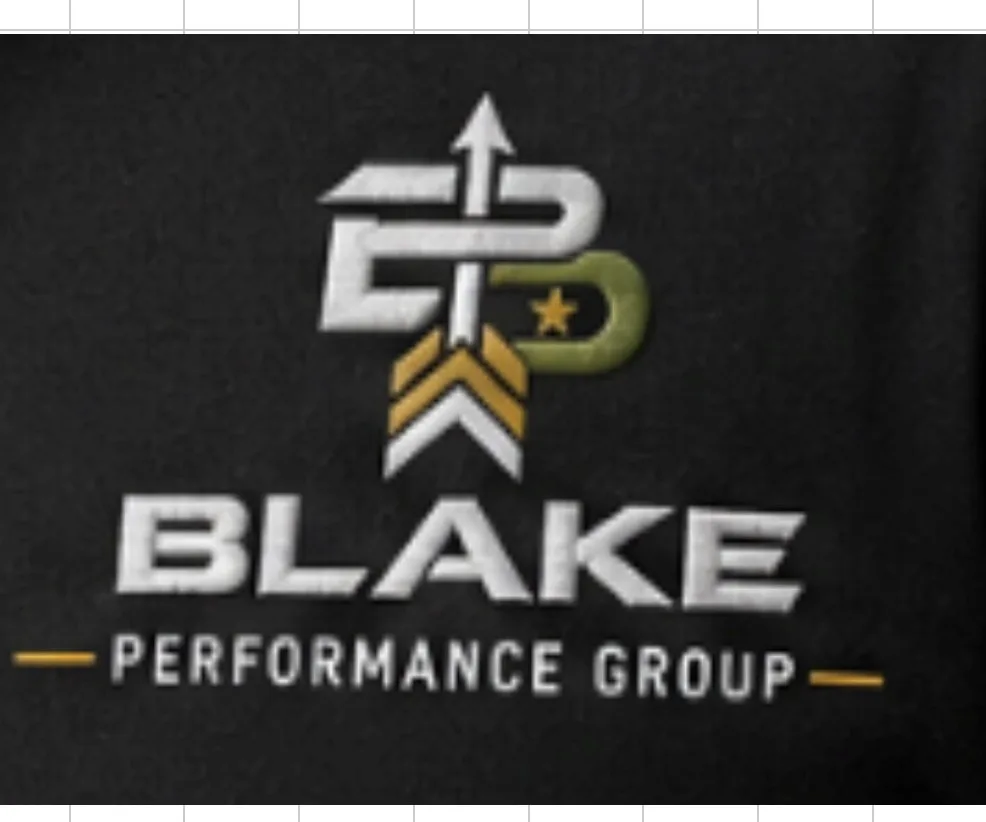
Final Digitized Proof

Order Specifications
Project Background
The original graphic provided by the client featured several tight lines and intricate letter proportions. When scaling a design down to fit within a compact 3.5 by 2.25-inch footprint, fine details run the risk of crowding together and turning into a solid mass of thread. Our primary objective was to preserve the visual identity and legibility of the artwork while adapting the geometry for actual stitch execution.
Working with synthetic athletic fabrics like polyester requires a clear understanding of tension management. Unlike heavy cotton twill, polyester has very little give in certain directions and can easily pull tight under heavy stitch counts. We knew that improper underlay choices would cause the fabric to bunch up around the borders, ruining the final presentation of the garments.
To solve these hurdles, our experienced digitizers reviewed the artwork element by element. We mapped out every color section to ensure clean travel paths and minimal jump stitches, which saves the machine operator considerable time during trimming. Every decision made during the initial file setup was geared toward high-speed production efficiency and long-term durability on the garment.
By addressing these potential production pitfalls early in the workflow, we set the stage for a flawless run. The client trusted our expertise to handle the file conversion accurately, allowing them to focus on lining up their garment inventory and scheduling their machine run times without worrying about design flaws.
Technical Production Process
Next, we carefully adjusted the pull compensation values across all satin columns and fill areas. Because polyester tends to pull inward along the stitch axis, we expanded the outline contours slightly to compensate for the natural shrinkage that occurs during high-tension embroidery. This ensured that the final sewn boundaries matched the original vector artwork precisely without gaps or exposed fabric.
We also optimized the stitch angles to distribute thread tension evenly. By varying the fill directions across adjacent shapes, we avoided creating heavy ridges that could cause the fabric to pucker or bubble. The total stitch count was maintained at a lean 4,454 stitches, which provided ample coverage and solid color depth without overloading the small 3.5 by 2.25-inch left-chest canvas.
Finally, color stops and trims were programmed logically to minimize unnecessary travel across the design area. This reduced production time per piece and prevented loose thread tails from accumulating on the underside of the fabric. Every technical adjustment was verified through a simulated stitch run to confirm that the file was completely ready for the shop floor.
- ✓ Applied precise center-run and edge-walk underlay to stabilize the polyester fabric.
- ✓ Adjusted pull compensation settings to prevent puckering and maintain clean outer borders.
- ✓ Streamlined color sequencing and trims for maximum production speed on multi-head equipment.
Final Outcome
This project highlights the importance of matching stitch parameters to the physical characteristics of synthetic fabrics. When a file is built with proper underlay and density controls, embroidery shops can run their machines at higher speeds with total confidence. We remain committed to helping apparel decorators deliver top-tier quality on every single order, no matter the fabric type or placement constraints.
The client was thoroughly impressed with the turnaround time and the quality of the final stitch-out. They have since returned to us for additional customer projects, knowing they can rely on consistent, production-ready results for all their future apparel decoration needs. Clean files lead to profitable runs, and this order stands as a prime example of efficient embroidery engineering in action.
Ready for Flawless Production?
We deliver production-ready files optimized for your exact machines and fabrics, reducing thread breaks and maximizing shop efficiency.
Frequently Asked Questions
What fabric types do you support for left-chest embroidery? +
We support a wide variety of fabrics including cotton, polyester, denim, blends, and performance activewear, carefully adjusting underlay and density parameters for each.
How do you handle tension issues on polyester garments? +
Polyester fabrics can pucker easily if stitch density is too high. We use specialized pull compensation, optimal underlay paths, and lighter satin densities to keep the fabric completely flat.
What makes left-chest embroidery difficult? +
Left-chest logos are typically smaller in physical dimensions—such as 3.5 by 2.25 inches—meaning fine details, small lettering, and tight contours must be simplified without losing brand integrity.
Disclaimer: All logos and designs are the property of their respective copyright/trademark owners. This case study is for the sole purpose of demonstrating 360 Digitizing Solutions’ technique and quality. We do not claim ownership of the original artwork, nor are these designs for sale.
Brand Representative? Request Portfolio Privacy/Removal (Corporate Email Required)