What is this case study? This page documents a real completed Digitizing order produced by 360 Digitizing Solutions for a Other placement on Other. To protect client privacy, company and brand names have been anonymized. Browse specs, before/after images, and production notes below.
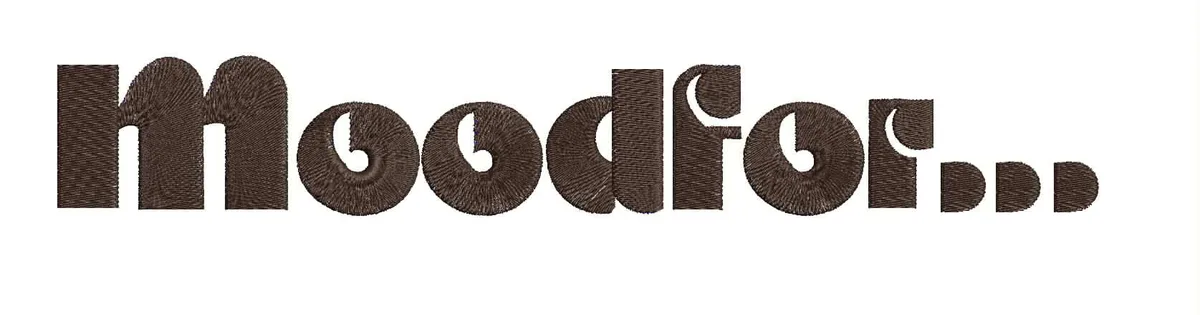
Mastering Complex Scale: The Ombra 240mm Digitizing Project
See how our precision programming translated an intricate wide-format graphic into a flawless, production-ready embroidery file with 15,752 optimized stitches.
Final Digitized Proof
Order Specifications
Project Background
The primary goal for our client was to execute this wide layout without any bunching or puckering along the horizontal axis. Because wide graphics stretch across a significant span of fabric, the stitch architecture must be balanced to distribute tension evenly. Our team needed to plan every vector transition to ensure the final embroidered piece maintained its structural integrity from end to end.
Working with this specific project format required a deep understanding of multi-head machine limitations and stitch density thresholds. Our client needed a clean file that could run at high speeds on commercial equipment without causing thread breaks or needle deflections. Every element of the graphic had to be digitized with absolute precision to honor the original visual intent while remaining completely practical for high-volume manufacturing.
Balancing visual density with functional stitch counts was critical for this project. We analyzed the artwork to identify areas where overlapping fills could create unwanted bulk, adjusting the parameters to keep the fabric supple and flexible. This thorough pre-production assessment ensured the finished piece would lie flat and look sharp on the final garment.
Our team focused heavily on streamlining the color stops and trim commands to minimize production downtime. By reducing unnecessary jumps and tie-offs, we prepared the file to run smoothly on the shop floor, saving the decorator both time and material costs during their production run.
Technical Production Process
We carefully adjusted the stitch angles across the horizontal span to create natural light reflection and visual depth. By alternating push-pull compensation values based on the specific width of each section, we guaranteed that the final embroidery would not warp the fabric as tension accumulated. Every satin column and fill area was manually routed to ensure smooth entry and exit points.
Density control played a major role in keeping the total stitch count balanced at 15,752 stitches. We reduced unnecessary under-layers in tight spaces while reinforcing structural zones to ensure durability. This measured approach resulted in a clean layout that avoids stiffness while providing solid, opaque coverage.
Needle path optimization was the final step in our technical workflow. We organized the sequence so the machine could travel efficiently across the layout, reducing the total number of trims and color changes required. This level of optimization directly translates to faster run times and fewer interruptions for the embroiderer.
- ✓ Customized pull compensation to prevent horizontal fabric distortion across the 240mm span
- ✓ Strategic edge-walk underlay programming for sharp, clean border definition
- ✓ Optimized path sequencing to reduce machine trims and maximize production speed
Final Outcome
This project highlights our commitment to delivering reliable, production-ready files tailored for commercial apparel decorators. By focusing on solid technical foundations and precise pull compensation, we ensure that every wide-format design looks professional and runs smoothly on the embroidery floor from the very first stitch.
Our client received a fully tested file optimized for immediate use, allowing them to fulfill their order on schedule and with absolute confidence in the final quality. We continue to support local shops by providing expert digitizing solutions that minimize waste and maximize efficiency.
Ready for Flawless Production?
We deliver production-ready files optimized for your exact machines and fabrics, reducing thread breaks and maximizing shop efficiency.
Frequently Asked Questions
What is the turnaround time for custom embroidery digitizing? +
Most digitizing orders are completed and ready for production within 12 to 24 hours, ensuring your manufacturing schedule stays on track.
How do you ensure stitch density matches the fabric type? +
Our expert digitizers analyze the specific fabric structure to calculate proper pull compensation, underlay patterns, and stitch angles, preventing puckering.
What file formats are delivered with my order? +
We provide all industry-standard machine embroidery formats compatible with major commercial machines, including DST, EXP, PES, and more.
Disclaimer: All logos and designs are the property of their respective copyright/trademark owners. This case study is for the sole purpose of demonstrating 360 Digitizing Solutions’ technique and quality. We do not claim ownership of the original artwork, nor are these designs for sale.
Brand Representative? Request Portfolio Privacy/Removal (Corporate Email Required)
More embroidery digitizing case studies
Filed under Case Studies / Embroidery Digitizing / Other Placements
 Ombra 180mm Digitizing Project
 Brick Red Joint Band Embroidery Digitizing Case Study
 Canvas Embroidery Digitizing Project Case Study
 Professional Embroidery Digitizing for Canvas Fabric
 Canvas Embroidery Digitizing Case Study
 Turquoise Marine Embroidery Digitizing Case Study
 Custom SS Hat Patch Embroidery Digitizing Case Study
 Canvas Embroidery Digitizing Case Study