What is this case study? This page documents a real completed Digitizing order produced by 360 Digitizing Solutions for a Other placement on Other. To protect client privacy, company and brand names have been anonymized. Browse specs, before/after images, and production notes below.
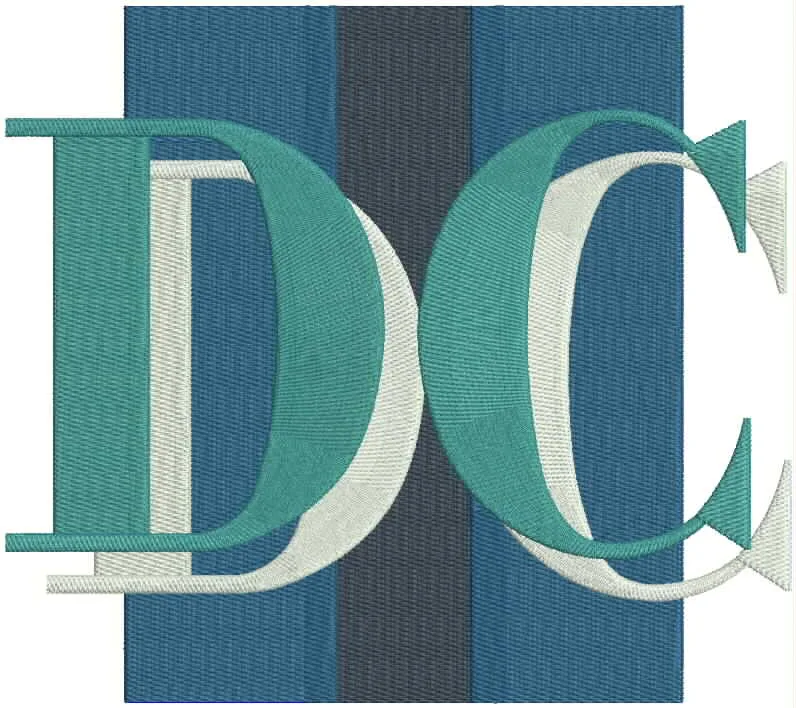
Mastering Complex Turquoise Marine Embroidery Digitizing
Explore how our team tackled a dense 63K-stitch marine apparel design, delivering crisp boundaries and flawless run performance for our client.
Final Digitized Proof
Order Specifications
Project Background
Because the underlying textile characteristics presented unique friction profiles, standard auto-digitizing tools simply could not deliver the clean borders the client expected. Our experienced digitizers had to carefully analyze the visual weight of the central elements and map out vector paths manually. Every curve and angle required individual attention to ensure that the embroidery machine could transition smoothly between fills and outlines without unnecessary trims or birdnesting.
The client specifically requested sharp lettering and crisp iconographic lines that would stand out clearly from a distance. Achieving this level of definition on standard production equipment demanded a thorough understanding of stitch angles and column widths. We mapped out a comprehensive blueprint before generating any machine instructions, keeping machine downtime and thread breakage risks to an absolute minimum.
Throughout the planning phase, our main focus remained on operational efficiency for the decorator’s shop floor. By optimizing the color-change sequence and minimizing jump stitches, we ensured that the final file would run efficiently on multi-head commercial machinery. This proactive approach saved the shop valuable time during setup and reduced the likelihood of operator errors during production runs.
Technical Production Process
Next, we adjusted the stitch angles across adjacent fill regions to create natural light reflection and visual separation. By altering the entry and exit points for each color block, we kept travel runs hidden underneath active stitching areas. This method not only improved the physical hand of the embroidered piece but also protected the integrity of the garment during wear and washing.
Finally, we fine-tuned the density parameters for the satin borders and intricate lettering details. Over-saturation is a common pitfall in large designs, so we trimmed excess stitch counts where support was adequate, ensuring the final product remained flexible rather than stiff. Every adjustment was verified through rigorous digital simulation tests prior to final delivery.
- ✓ Applied dual underlay layers for maximum fabric stabilization and edge crispness.
- ✓ Optimized stitch angles and pull compensation to prevent puckering across a 6.85×5.91 inch layout.
- ✓ Streamlined color-change sequences and jump stitches for efficient multi-head commercial production.
Final Outcome
By addressing fabric stabilization and pull compensation proactively, our team ensured that the final stitched product matched the client’s original vision perfectly. The resulting file stands ready for repeat orders, offering consistent performance and professional-grade quality for every batch produced.
Ready for Flawless Production?
We deliver production-ready files optimized for your exact machines and fabrics, reducing thread breaks and maximizing shop efficiency.
Frequently Asked Questions
What was the total stitch count for this project? +
The final digitized file contained exactly 63,891 stitches, perfectly optimized for the 6.85×5.91 inch dimensions.
How do you handle complex designs on textured fabrics? +
We utilize specialized underlay patterns, precise pull compensation, and optimized stitch density to prevent sinking and puckering.
Disclaimer: All logos and designs are the property of their respective copyright/trademark owners. This case study is for the sole purpose of demonstrating 360 Digitizing Solutions’ technique and quality. We do not claim ownership of the original artwork, nor are these designs for sale.
Brand Representative? Request Portfolio Privacy/Removal (Corporate Email Required)