What is this case study? This page documents a real completed Digitizing order produced by 360 Digitizing Solutions for a Other placement on Canvas. To protect client privacy, company and brand names have been anonymized. Browse specs, before/after images, and production notes below.
Mastering Canvas Embroidery Digitizing for Strict Production Standards
Discover how our team tackled dense canvas textures and complex structural elements to deliver a clean, production-ready embroidery file with zero puckering.
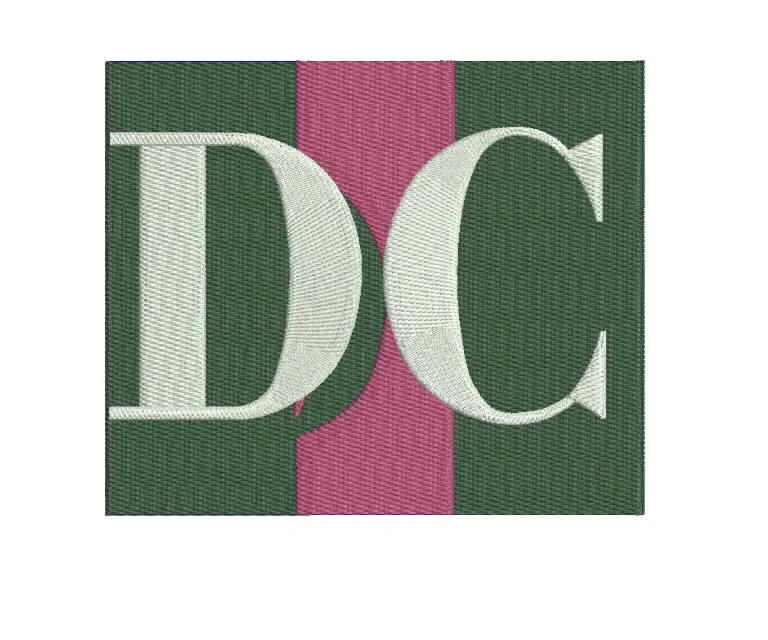
Final Digitized Proof
Order Specifications
Project Background
Our client needed this artwork converted into a reliable, high-density machine file that would hold its shape across multiple production runs without wearing down commercial embroidery equipment. The specific layout measured 4.69 by 3.94 inches and required careful handling of tight geometric boundaries and solid color blocks to ensure the final product looked professional and clean.
The primary challenge of this project lay in balancing heavy stitch coverage with the natural thickness of the fabric substrate. If the density was too high, the canvas would pucker and stiffen uncomfortably; if it was too low, the underlying fabric color would bleed through the design elements. Our primary objective was to engineer a robust stitch path that respected the fabric limitations while preserving every detail of the original visual concept.
By analyzing the geometry early in the workflow, our production team mapped out a customized grid approach. We focused on controlling push and pull compensation to counteract the natural shifting tendencies of woven canvas during high-speed multi-head operation. This foundational preparation paved the way for a smooth, interruption-free run on the production floor.
Technical Production Process
Next, we carefully adjusted the stitch angles across adjacent color blocks to minimize thread buildup at intersection points. By alternating the direction of the fill stitches, we reduced friction and prevented needle breakage caused by excessive density spots. Proper spacing and intelligent tie-ins ensured that jump stitches were kept to an absolute minimum.
Finally, we fine-tuned the density parameters to accommodate the thick texture of the canvas without sacrificing solid coverage. The resulting file achieved a total count of 32,959 stitches, strategically distributed to provide rich color saturation and crisp boundary definition across every segment of the piece.
- ✓ Applied custom edge-walk and lattice underlays to stabilize the heavy canvas weave
- ✓ Optimized stitch angles and density to eliminate puckering and thread buildup
- ✓ Distributed 32,959 precise stitches for maximum visual impact and durability
Final Outcome
The finished stitch-out on canvas displayed crisp borders, solid color consistency, and a flat, professional finish free of unsightly puckering. This project highlights our ongoing commitment to providing reliable, production-optimized files that perform consistently under demanding shop conditions.
Ready for Flawless Production?
We deliver production-ready files optimized for your exact machines and fabrics, reducing thread breaks and maximizing shop efficiency.
Frequently Asked Questions
What fabric types do you support for professional embroidery digitizing? +
We support a wide variety of fabrics, including canvas, denim, cotton, leather, polyester, performance knits, and heavy twill, optimizing stitch settings for each.
How do you handle complex design details during digitizing? +
Our experienced digitizers carefully adjust pull compensation, stitch angles, and underlay patterns to ensure crisp clarity, sharp edges, and flawless production execution.
What makes canvas embroidery challenging? +
Canvas features a heavy texture and tight weave, which can trap threads or cause puckering if stitch density and underlay are not calibrated precisely.
Disclaimer: All logos and designs are the property of their respective copyright/trademark owners. This case study is for the sole purpose of demonstrating 360 Digitizing Solutions’ technique and quality. We do not claim ownership of the original artwork, nor are these designs for sale.
Brand Representative? Request Portfolio Privacy/Removal (Corporate Email Required)