
What is this case study? This page documents a real completed Digitizing order produced by 360 Digitizing Solutions for a Cap placement on Cotton/Poly. To protect client privacy, company and brand names have been anonymized. Browse specs, before/after images, and production notes below.
Precision Cap Digitizing for Apparel Decorators
A breakdown of how we achieved high-clarity results for a custom cap project. We focused on precise registration and stitch density for a clean, professional finish.
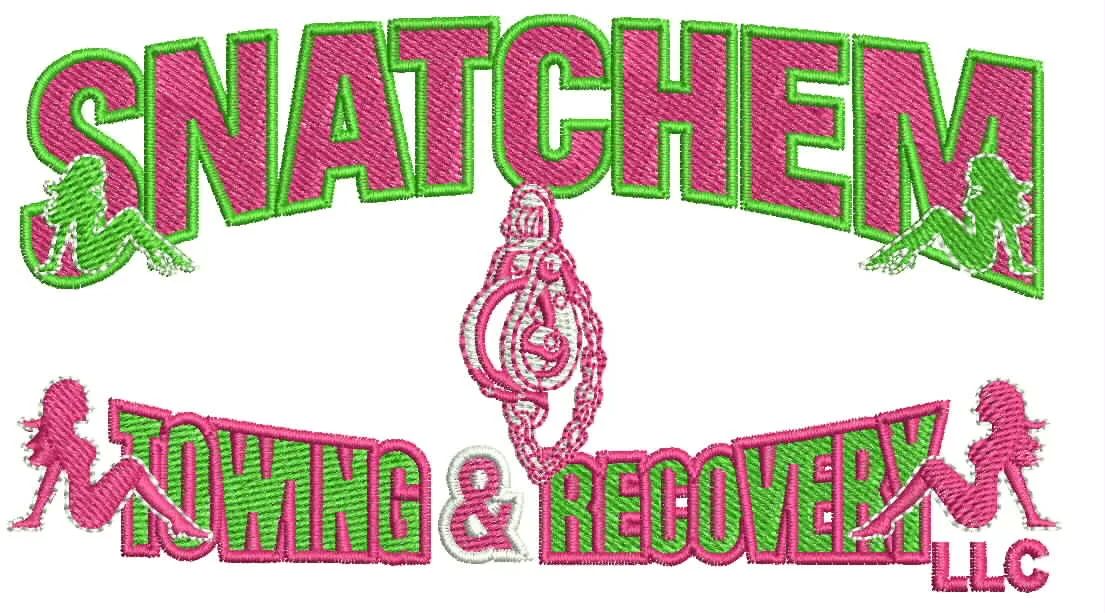
Final Digitized Proof
Order Specifications
Project Background
The design was a medium-sized graphic measuring 4.770 by 2.398 inches. With a stitch count of 23,660, the primary challenge was balancing the density so that the design remained bold without putting too much tension on the cap fabric. If a design is too dense, it can cause the fabric to pull or the thread to snap during production, which is a common issue for many shops.
We analyzed the artwork to identify areas where the lines needed reinforcement. The client needed a result that would look sharp from every angle. Because the fabric is a cotton/poly blend, we had to account for how this material interacts with embroidery threads. It provides a sturdy base, but it can be unforgiving if the digitizing is not set up correctly with the right underlay.
Our team focused on creating a pathing structure that kept the embroidery machine running efficiently. By minimizing the number of unnecessary jumps and trims, we ensured that the final file would save time on the production floor. This is a critical factor for decorators who need to keep their output speed high without compromising on the quality of their work.
We maintained open communication throughout the process to ensure the client had exactly what they needed. The final file was tested against our internal standards to ensure it would run smoothly on standard multi-head embroidery machines, providing the client with a reliable solution for their production needs.
Technical Production Process
For the satin and fill areas, we carefully adjusted the stitch density to account for the specific tension required on caps. We used a pull compensation technique to ensure that the outlines and internal elements aligned perfectly, even after the fabric flexed during the embroidery process. This is vital for maintaining the intended shape and proportions of the logo.
The stitch direction was mapped to follow the natural contours of the design. By alternating directions in overlapping sections, we prevented the thread from clumping and ensured a smooth, even surface. This level of technical detail allows the embroidery to look clean and professional, even with a high stitch count.
Finally, we optimized the sequence of the colors and segments to reduce the number of machine stops. By grouping the colors logically and optimizing the jump stitches, we created a file that is ready for immediate use. This reduces the time the operator spends on manual cleanup and increases the overall efficiency of the job.
- ✓ Optimized underlay for maximum fabric stability.
- ✓ Precise pull compensation for exact alignment.
- ✓ Efficient pathing to reduce machine downtime.
Final Outcome
Our client reported that the design stitched out with minimal thread breaks, allowing them to complete their order ahead of schedule. The precision of the digitizing meant that the registration was spot on, with every element aligned as planned. This project stands as a clear example of how thoughtful technical planning results in a better final product for the decorator and their customers.
Ready for Flawless Production?
We deliver production-ready files optimized for your exact machines and fabrics, reducing thread breaks and maximizing shop efficiency.
Frequently Asked Questions
How do you handle cap embroidery files? +
We center the design from the middle out to ensure it aligns perfectly on the curved surface of the cap, minimizing distortion.
Why is fabric type important for digitizing? +
Different fabrics like cotton/poly require specific underlay and density settings to prevent the fabric from puckering and the thread from sinking.
Disclaimer: All logos and designs are the property of their respective copyright/trademark owners. This case study is for the sole purpose of demonstrating 360 Digitizing Solutions’ technique and quality. We do not claim ownership of the original artwork, nor are these designs for sale.
Brand Representative? Request Portfolio Privacy/Removal (Corporate Email Required)