
What is this case study? This page documents a real completed Digitizing order produced by 360 Digitizing Solutions for a Left Chest placement on Cotton. To protect client privacy, company and brand names have been anonymized. Browse specs, before/after images, and production notes below.
Mastering Left-Chest Cotton Embroidery Digitizing
Discover how our expert digitizers converted a complex client artwork into a clean, production-ready stitch file tailored for standard cotton garments.
Customer Original Artwork

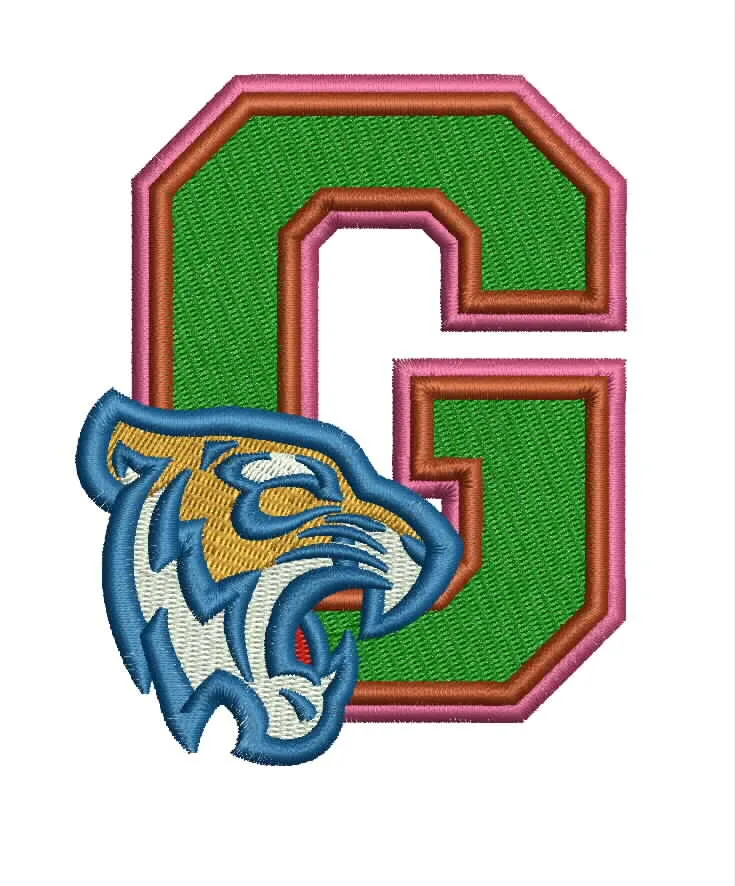
Final Digitized Proof
Order Specifications
Project Background
Cotton is a reliable material for embroidery, but it does present distinct challenges if stitch densities are not properly balanced. Without precise adjustments, high stitch counts in a compact 3×4 inch space can cause fabric puckering, resulting in distorted lettering and wavy borders. Our primary goal was to preserve the crisp aesthetic of the original artwork while ensuring the final product would run smoothly on commercial multi-needle machines without causing frequent thread breaks.
The client required a stitch count that balanced durability with a soft hand-feel on the garment. Because left-chest logos are worn close to the body, heavy, rigid patches of stitching are uncomfortable for the end wearer. Our digitizing team evaluated the artwork components to determine the most effective path for running outlines, solid fills, and detailed text elements.
By planning the sequence carefully, we minimized jump stitches and reduced unnecessary trims, which directly improves production efficiency for the decorator. Every curve and sharp corner was manually reviewed and adjusted to ensure the embroidery machine could execute the instructions cleanly at high operational speeds.
This project highlights our commitment to solving practical production problems through thoughtful digitizing techniques. Rather than relying on automated conversion tools that often generate erratic stitch paths, our experienced technicians crafted a custom layout built specifically for the demands of everyday cotton apparel decoration.
Technical Production Process
Next, we adjusted the pull compensation settings across all satin stitches and fill areas. Cotton tends to pull inward as stitches are laid down, so adding calculated compensation ensures that borders remain aligned and gaps do not appear between adjacent color blocks. Fill angles were rotated strategically to distribute tension evenly across the 3×4 inch footprint.
Finally, we optimized the sequence of color changes to reduce travel time across the design field. The resulting file delivers a balanced distribution of 20101 stitches, ensuring strong color saturation and sharp definition without adding unnecessary weight to the garment.
- ✓ Applied precise edge-walk and center-run underlays to secure cotton fibers
- ✓ Calibrated pull compensation to eliminate distortion on standard garments
- ✓ Optimized stitch angles and density to maintain a soft hand-feel
Final Outcome
The local apparel decorator successfully completed their order with minimal machine downtime and exceptional visual results. This project underscores the value of professional digitizing in achieving reliable, high-quality outcomes for commercial embroidery shops.
We take pride in delivering robust, machine-friendly files that help our partners scale their production capacity efficiently. Whether you are running small custom batches or large commercial orders, our expert team ensures every file is optimized for your exact requirements.
Ready for Flawless Production?
We deliver production-ready files optimized for your exact machines and fabrics, reducing thread breaks and maximizing shop efficiency.
Frequently Asked Questions
What fabric types work best for left-chest placements? +
Cotton, polyester blends, and pique knits are ideal for left-chest embroidery when properly stabilized.
How do you ensure clean edges on detailed embroidery designs? +
We use advanced density management, specialized pull compensation, and optimized underlay stitching.
Disclaimer: All logos and designs are the property of their respective copyright/trademark owners. This case study is for the sole purpose of demonstrating 360 Digitizing Solutions’ technique and quality. We do not claim ownership of the original artwork, nor are these designs for sale.
Brand Representative? Request Portfolio Privacy/Removal (Corporate Email Required)