
What is this case study? This page documents a real completed Digitizing order produced by 360 Digitizing Solutions for a Left Chest placement on Fleece. To protect client privacy, company and brand names have been anonymized. Browse specs, before/after images, and production notes below.
Mastering Left-Chest Fleece Digitizing for Clean Production
Discover how our expert team transformed a detailed athletic motif into a crisp, production-ready embroidery file optimized for heavy fleece garments.
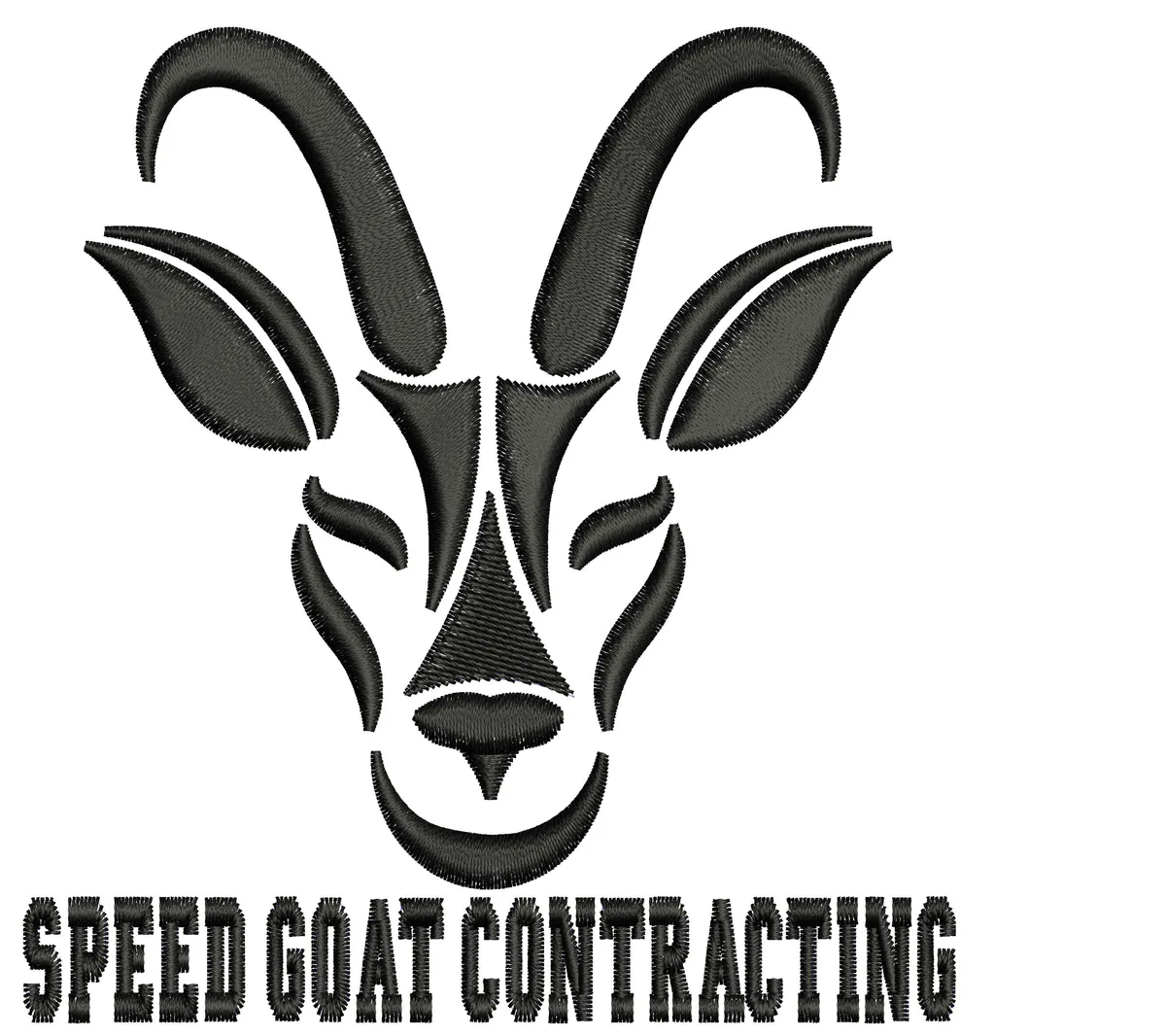
Final Digitized Proof
Order Specifications
Project Background
The primary challenge of this project lay in balancing the intricate line work of the design with the natural stretch and loft of heavyweight cotton-poly blend fleece. Without proper planning, standard stitch paths would easily get lost in the fuzzy surface texture of the garment. Furthermore, left-chest logos have a strict size boundary—in this case, roughly 3.5 by 3.7 inches—meaning every single millimeter of stitch placement had to count to maintain clarity and legibility from a distance.
To solve these issues, our experienced digitizers analyzed the geometry of the artwork before touching any technical tools. We determined that a carefully calculated underlay structure would be mandatory to flatten the fleece pile and create a solid foundation. This foundational prep work ensures that the top satin stitches and fill areas remain crisp, well-defined, and visually striking once stitched out on actual garments.
Our client also emphasized the need for efficiency on the production floor. High stitch counts or excessive thread trims lead to wasted time and increased operational costs. By streamlining the travel paths between elements, we ensured that the machine could run continuously without unnecessary jump stitches, keeping production times fast and efficient for the decorator’s shop.
Technical Production Process
Next, we carefully adjusted the stitch densities across all fill areas. Because heavy fabrics hold down threads tightly, reducing the standard fill density prevents thread buildup and stiffness while still providing complete coverage. We also applied targeted pull compensation along the outer edges, ensuring that the pull of the stitches on fleece would not create unsightly gaps or expose the garment underneath.
Finally, we optimized the entry and exit points for every color block to minimize travel runs and eliminate messy thread nests on the backside of the garment. Each sequence was mapped out logically so the embroidery machine could transition smoothly from background details to foreground elements without hesitation or frequent stops.
The completed file contains a total of 6,816 stitches, distributed evenly across the 3.503 x 3.715 inch layout. This precise count provides optimal coverage without overworking the fabric, resulting in a clean, professional finish that meets strict commercial standards for durability and appearance.
- ✓ Applied custom double-grid underlay to flatten heavy fleece pile and prevent sinking
- ✓ Adjusted pull compensation settings to eliminate edge gaping on stretchy fabrics
- ✓ Streamlined travel paths and color sequence for maximum machine running efficiency
Final Outcome
This project highlights the importance of matching technical digitizing parameters to the specific characteristics of the garment fabric. By taking the time to plan proper underlay support and density adjustments, we delivered a reliable file that saved time, reduced material waste, and produced a retail-ready finish for the end customer.
Our commitment is to provide embroidery shops with clean, dependable files that perform consistently on industrial equipment. This left-chest fleece order stands as another example of how precise technical planning translates into superior embroidery quality and hassle-free production runs. Standardized testing ensures your shop stays productive from the first shirt to the last.
Ready for Flawless Production?
We deliver production-ready files optimized for your exact machines and fabrics, reducing thread breaks and maximizing shop efficiency.
Frequently Asked Questions
What fabric types work best with this digitizing style? +
This professional embroidery digitizing approach is tailored specifically for heavy fabrics like fleece, hoodies, and sweatshirts, ensuring stable stitch distribution without sinking.
How are pull compensation settings handled for left-chest placements? +
We adjust push and pull compensation based on the stretch characteristics of the garment to keep outlines sharp and properly aligned throughout production runs.
Are the files ready for commercial embroidery machines? +
Yes, every file is thoroughly tested and optimized to run smoothly on commercial multi-head and single-head embroidery machines with minimal thread breaks.
Disclaimer: All logos and designs are the property of their respective copyright/trademark owners. This case study is for the sole purpose of demonstrating 360 Digitizing Solutions’ technique and quality. We do not claim ownership of the original artwork, nor are these designs for sale.
Brand Representative? Request Portfolio Privacy/Removal (Corporate Email Required)