
What is this case study? This page documents a real completed Digitizing order produced by 360 Digitizing Solutions for a Left Chest placement on Polyester. To protect client privacy, company and brand names have been anonymized. Browse specs, before/after images, and production notes below.
Mastering Left-Chest Polyester Embroidery for a Local Decorator
See how our expert digitizers converted a complex municipal-themed graphic into a clean, production-ready stitch file tailored for standard polyester athletic wear.
Customer Original Artwork

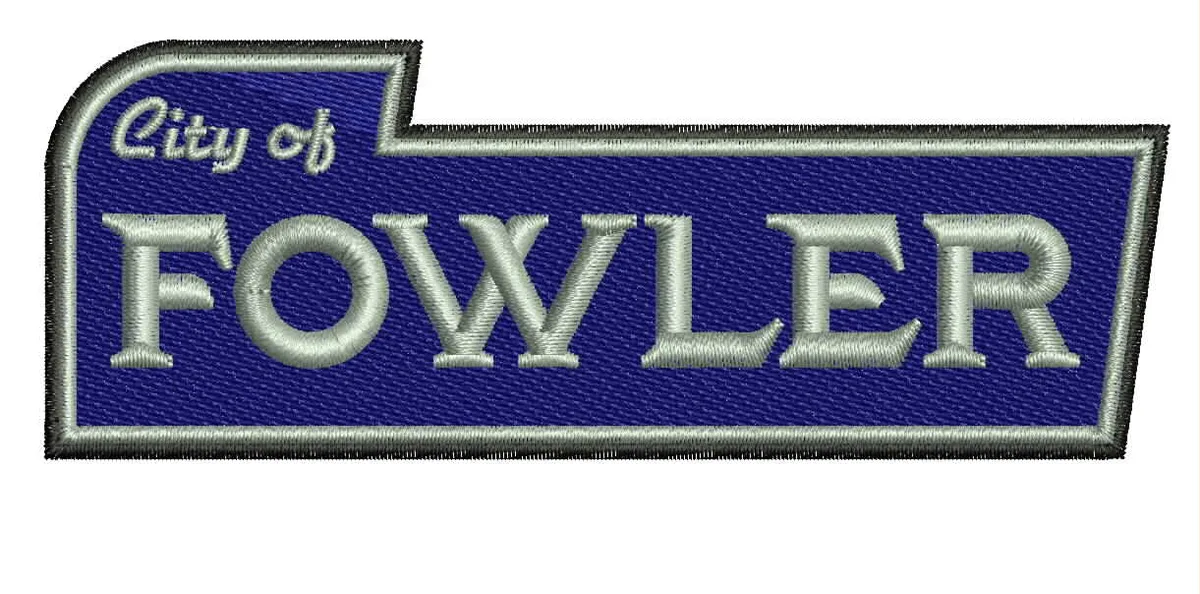
Final Digitized Proof
Order Specifications
Project Background
Because left-chest placements are typically worn on high-visibility staff uniforms, jackets, and performance polos, the final embroidery had to be exceptionally durable and neat. Any miscalculation in pull compensation could easily distort the lettering, ruining the clean layout of the text. Our team thoroughly evaluated the client artwork to identify potential trouble spots, such as tight interior corners and overlapping fills that could lead to thread buildup.
The client needed a reliable production file that could run at high machine speeds without causing frequent thread breaks, needle heat-ups, or fabric puckering. Meeting these tight commercial standards meant planning every angle of the design before laying down a single stitch. We mapped out a custom digitizing blueprint focused entirely on fabric stability and sharp edge definition.
Working closely within the requested 4.25×1.75 inch boundaries, our veteran digitizers balanced the stitch count to ensure total coverage without overloading the lightweight garment. Every decision made during the initial setup phase was geared toward protecting the integrity of the polyester material while delivering a polished corporate look for the client’s end customer.
Technical Production Process
Stitch directions were strategically alternated across different sections of the design to reduce pull forces and eliminate unsightly puckering along the horizontal axis. We also incorporated calculated pull compensation settings specifically calibrated for synthetic textiles, allowing for natural fabric relaxation once the garment came off the embroidery hoop.
Trims and tie-offs were meticulously optimized to minimize excessive jumping and birdnesting underneath the fabric. By streamlining the sequence of color changes, the machine runs efficiently with fewer manual interventions required from the machine operator, directly improving shop productivity and output quality.
Finally, we reviewed the entry and exit points for every segment to ensure smooth travel paths. This attention to mechanical efficiency prevents thread friction and lowers the risk of snap-offs during high-speed commercial production runs.
- ✓ Applied balanced center-run and edge-walk underlays for maximum polyester stabilization.
- ✓ Adjusted pull compensation parameters to prevent fabric puckering and letter distortion.
- ✓ Optimized path sequencing to reduce unnecessary thread trims and jump stitches.
Final Outcome
Our client successfully ran the production batch on commercial multi-head machines without experiencing unexpected thread breaks or downtime. The resulting garments met all quality control benchmarks, giving the decorator a reliable file they can reuse confidently for future reorders.
This project underscores our dedication to providing robust, production-ready embroidery files that respect fabric physics and streamline shop operations from the first stitch to the last.
Ready for Flawless Production?
We deliver production-ready files optimized for your exact machines and fabrics, reducing thread breaks and maximizing shop efficiency.
Frequently Asked Questions
What fabric was used for this project? +
This design was optimized specifically for polyester garments, ensuring minimal puckering and clean details.
How many stitches does this design require? +
The final digitized file contains 12,819 stitches scaled to a 4.25×1.75 inch layout.
Disclaimer: All logos and designs are the property of their respective copyright/trademark owners. This case study is for the sole purpose of demonstrating 360 Digitizing Solutions’ technique and quality. We do not claim ownership of the original artwork, nor are these designs for sale.
Brand Representative? Request Portfolio Privacy/Removal (Corporate Email Required)