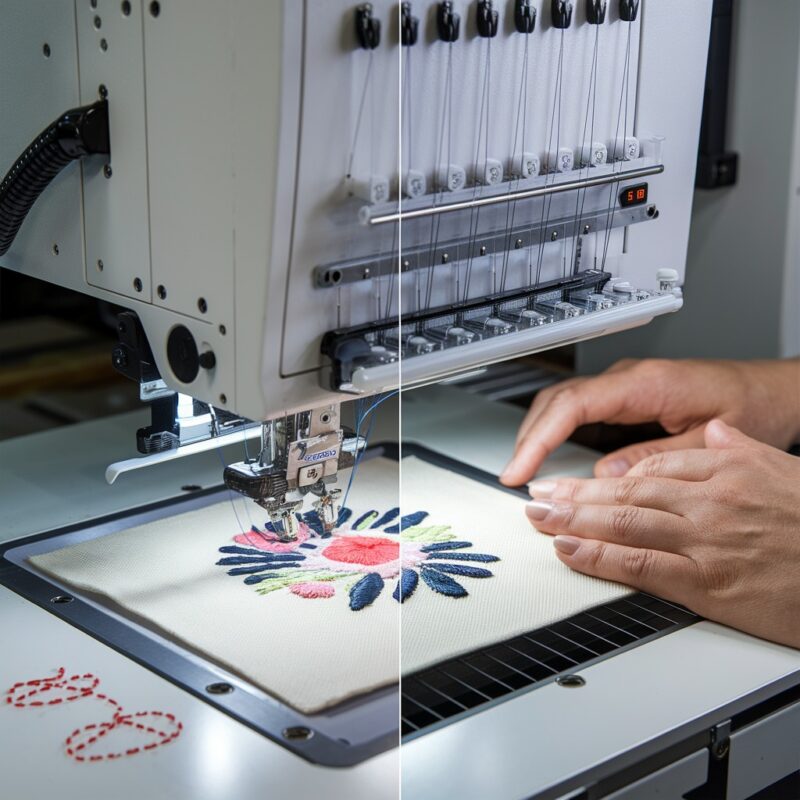
Singer Futura XL-420 Common Errors: Needle Breaking and Solutions

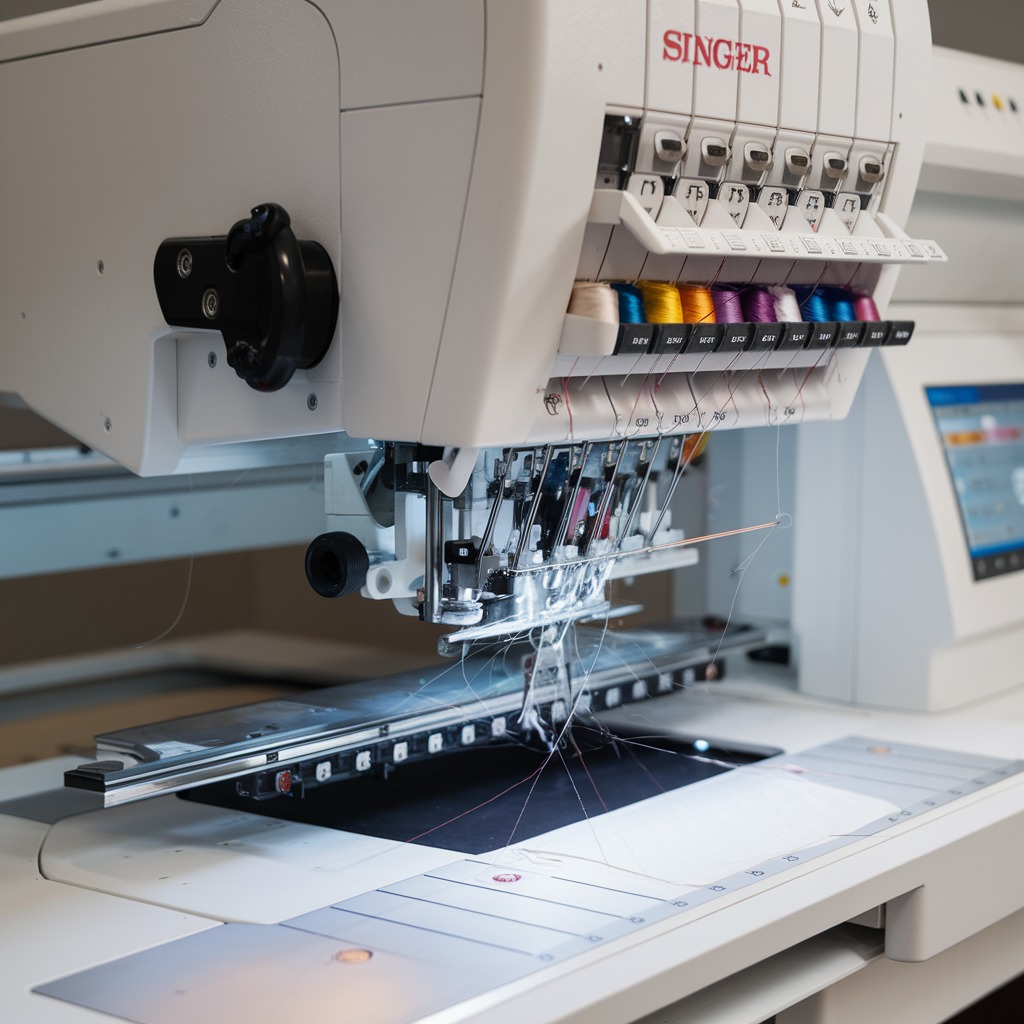
Singer Futura XL-420 Common Errors: Needle Breaking and Solutions
Needle breaking is a frequent issue that users of the Singer Futura XL-420 embroidery machine encounter. This problem can disrupt your embroidery project and damage the fabric. Understanding the causes of needle breakage and knowing the solutions will help keep your machine running smoothly.
1. Using the Wrong Needle Type
Cause: Using a needle that isn’t designed for the type of fabric can lead to needle breakage.

- Solution: Always use the correct needle type for your fabric. For most embroidery projects, use an embroidery-specific needle, which has a larger eye to accommodate thicker threads.
2. Improper Needle Insertion
Cause: If the needle is not inserted correctly, it may break during stitching.
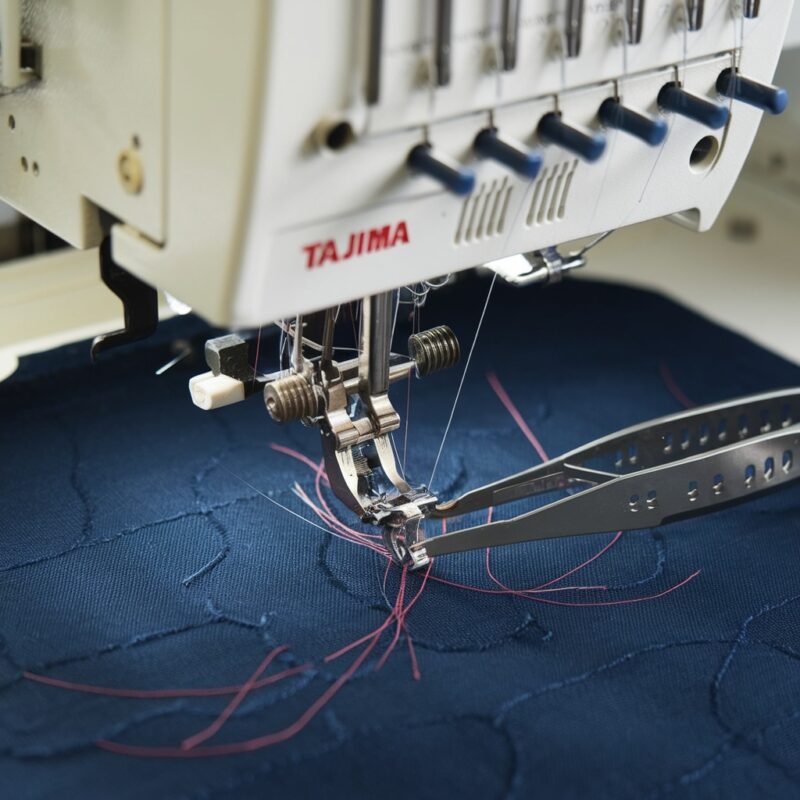
- Solution: Ensure the flat side of the needle is facing the back of the machine, and that the needle is pushed fully into the needle clamp. Double-check for a secure fit before starting your machine.
3. Bent or Damaged Needle
Cause: Needles can bend or become dull over time, increasing the likelihood of breakage.
- Solution: Replace needles regularly to avoid using bent or dull needles. Change your needle after every 8 hours of sewing or whenever you notice signs of wear.
4. Fabric Thickness
Cause: Working on thick or heavy fabrics without an appropriate needle can result in needle breakage.
- Solution: Use a stronger needle (such as a denim or leather needle) if you’re working with thick fabrics. Adjust the tension and stitching speed to accommodate the material’s thickness.
5. Hoop Misalignment
Cause: If the fabric is not hooped tightly or the hoop is misaligned, the needle may hit the hoop and break.
- Solution: Ensure the fabric is taut in the hoop, with no slack or wrinkles, and that the hoop is correctly aligned with the needle. Always use the appropriate hoop size for your design.
6. High Thread Tension
Cause: Excessive thread tension can put unnecessary strain on the needle, causing it to break.
- Solution: Lower the thread tension on the machine. Conduct a test stitch to make sure the tension is suitable for your project before proceeding.
7. Incorrect Presser Foot or Hoop Clearance
Cause: If the presser foot is too low or the hoop clearance isn’t adequate, the needle might hit the fabric or hoop.
- Solution: Check that the presser foot is raised enough to allow the fabric to move freely. Also, make sure the hoop is positioned correctly with enough clearance to avoid the needle striking it.
8. Improper Threading
Cause: Incorrect threading can cause the thread to pull the needle in unnatural directions, leading to breakage.
- Solution: Re-thread the machine, ensuring that the thread is properly seated in the tension discs, and following the correct threading path. Check your machine’s manual for accurate threading steps and be careful around the take-up lever.
9. Stitching Over Pins
Cause: If you accidentally sew over pins placed to hold fabric layers together, the needle can strike a pin and break.
- Solution: Remove any pins from the sewing path before starting the machine. If pins are necessary to keep layers together, position them outside the embroidery area to avoid damage.
10. Thread or Needle Jamming
Cause: Occasionally, a tangle or jam of thread inside the bobbin case or tension assembly may cause the needle to break under excessive force.
- Solution: Regularly clean and maintain the bobbin area and thread paths to prevent lint and thread buildup, which can lead to jams. Use a small brush or compressed air to remove lint and dirt from the bobbin case.
11. Incorrect Speed Settings
Cause: Running the machine at too high a speed, especially on delicate or thick materials, can increase the likelihood of needle breakage.
- Solution: Adjust the speed settings on your machine according to the fabric you are working with. Slower speeds are recommended for dense or delicate materials to minimize strain on the needle.
12. Hoop Bouncing
Cause: If the hoop isn’t secured tightly or the fabric isn’t stabilized well, it may cause the hoop to bounce, which can break the needle.
- Solution: Ensure the hoop is tightly secured to avoid movement during stitching. Use a stabilizer underneath the fabric to keep it firm and reduce shifting during the embroidery process.
13. Worn-out needle Plate or Hook
Cause: Over time, the needle plate or hook can wear down and develop burrs or rough edges, which can cause needle breakage.
- Solution: Inspect the needle plate and hook for signs of wear. If you notice any burrs or rough spots, smooth them out using a fine file, or replace the needle plate if necessary.
14. Bobbin Case Issues
Cause: A bobbin case that isn’t correctly positioned or that contains a tangled thread may interfere with the needle, causing it to break.
- Solution: Make sure the bobbin is inserted properly and that the bobbin case is aligned. Remove any tangled thread and adjust the bobbin tension to prevent this issue.
15. Improper Fabric and Needle Combination
Cause: Using the wrong needle size for your fabric can result in needle breaking, especially if the fabric is dense or delicate.
- Solution: Use the appropriate needle size for your fabric. For thicker fabrics, a larger needle is necessary, while for delicate materials like silk, a finer needle is recommended.
Conclusion:
Frequent needle breakage can be frustrating, but most causes are related to machine setup and maintenance. Ensuring proper threading, appropriate needle type, correct tension, and cleaning the bobbin area regularly can prevent many of these issues. By addressing these factors, you’ll reduce the likelihood of needle breakage on your Singer Futura XL-420 and ensure consistent performance in your embroidery projects.