Tajima TMBP-SC Series: Machine Freezing or Slowing Down – Errors and Solutions


Tajima TMBP-SC Series: Machine Freezing or Slowing Down – Common Errors and Solutions
When using the Tajima TMBP-SC Series (Single-Head Compact) embroidery machine, encountering issues where the machine freezes or slows down can significantly disrupt your workflow. These problems can be caused by several factors, from software glitches to hardware issues, and can lead to poor-quality designs and wasted time. Fortunately, most of these issues are easily solvable with the right troubleshooting methods. Below are the common causes of machine freezing or slowing down and the solutions you can implement to resolve them.
1. Overloaded Design File
One of the primary reasons for an embroidery machine freezing or slowing down is an overloaded or overly complex design file. Large designs with too many stitches, high densities, or excessive color changes can overload the machine‘s processor, causing it to freeze or slow down.

Solution:
- Simplify the design by reducing the number of stitches or using fewer colors. Dense designs may need to be optimized to prevent overloading the machine.
- Use embroidery software to break down larger designs into smaller sections that the machine can process more efficiently.
- Make sure the design file is in a compatible format and appropriately digitized for your Tajima machine to avoid unnecessary strain on the system.
2. Insufficient Maintenance or Lubrication
Embroidery machines require regular maintenance to function smoothly. If your machine isn’t properly maintained, the moving parts can become stiff or jammed, causing the machine to slow down or freeze during operation.
Solution:
- Regularly clean your machine according to the manufacturer’s guidelines. Dust, lint, or thread buildup in critical areas, such as the needle bar or bobbin case, can slow down the machine.
- Lubricate the machine as recommended in the user manual. A well-oiled machine ensures smoother movement of the mechanical parts and reduces friction.
- If the machine continues to slow down despite regular maintenance, consult a technician to check for worn or damaged parts that might need replacement.
3. Old or Outdated Firmware
Outdated firmware or software issues may cause the machine to freeze or lag, particularly if you’re working with newer design files or settings that the older software can’t handle.
Solution:
- Check for firmware updates from Tajima for your TMBP-SC Series model. Manufacturers often release firmware updates to fix bugs, improve performance, and ensure compatibility with newer design files.
- Update your embroidery machine’s firmware and software to the latest version. Always use the correct update files specific to your model to avoid potential issues.
- Perform a soft reset or restart the machine if you encounter freezing or lag, as this can help clear up temporary software glitches.
4. Threading Issues
Improper threading can cause the machine to struggle during operation, which might slow down the stitching process or cause the machine to freeze. If the upper thread is tangled or the bobbin is incorrectly threaded, the machine may stop suddenly to prevent damage.
Solution:
- Re-thread the machine carefully, ensuring that the thread follows the correct path through the tension disks, needle bar, and other parts. Use the threading diagram provided in your machine’s manual as a guide.
- Check the bobbin area for any loose threads, lint, or debris that might be interfering with the thread movement.
- Use high-quality threads to reduce the risk of tangling or snapping, which can contribute to machine stoppages.
5. Tension Imbalance
Tension issues can cause the machine to work harder, leading to slower operation or freezing as the machine tries to compensate for the incorrect thread tension.
Solution:
- Adjust the upper thread tension and bobbin tension to ensure they are balanced. Unbalanced tension can cause the thread to pull too tightly or too loosely, leading to operational issues.
- Perform a test run on a scrap piece of fabric to ensure the tension is correctly set before starting your main project. The stitches should look even on both the top and bottom.
- Regularly check the tension settings, especially if you switch between different thread types or fabrics, as each requires different tension levels.
6. Overheating
Overheating can cause your Tajima machine to slow down or freeze as a safety precaution to prevent damage. This is especially common if the machine is being used continuously for extended periods without breaks.
Solution:
- Give your machine regular breaks during long embroidery sessions to prevent overheating. This is especially important when working on large or complex projects.
- Ensure that your machine is placed in a well-ventilated area. Overheating can occur if the machine doesn’t have proper airflow or if it’s located in a hot environment.
- Clean the ventilation areas of the machine to prevent dust buildup, which can block airflow and cause the machine to overheat.
7. Mechanical Issues
Internal mechanical issues, such as a worn-out motor or damaged belts, can lead to the machine slowing down or freezing. The machine may struggle to complete stitches if these parts are malfunctioning or not functioning at optimal levels.
Solution:
- Regularly inspect your machine for any signs of mechanical wear, especially after extended use. Look for signs such as unusual noises, skipped stitches, or difficulty in needle movement.
- If you suspect a mechanical problem, consult a professional technician to inspect and replace any damaged parts, such as belts, gears, or the motor.
- Avoid overloading the machine with large or dense projects if it shows signs of mechanical strain, as this can exacerbate the issue.
8. Poor Quality or Incompatible Thread
Using low-quality thread or thread that isn’t suitable for the machine can cause thread breaks, tangling, and other issues that slow down or freeze the machine.
Solution:
- Always use high-quality embroidery thread that is suitable for your Tajima machine. The low-quality thread may break more easily or create excessive lint, causing the machine to stop.
- Check the thread compatibility before starting your project. If the thread is too thick or thin for the needle, it may cause operational issues.
- Clean out the bobbin case and tension disks regularly to prevent lint buildup from poor-quality thread, which can slow down the machine.
9. Power Supply Issues
A fluctuating or inconsistent power supply can cause the machine to freeze or operate slowly. Electrical surges, low voltage, or unstable power can interfere with the machine’s performance.
Solution:
- Ensure your machine is connected to a stable power source. If your power supply is inconsistent, consider using a surge protector or an uninterruptible power supply (UPS) to safeguard the machine.
- Avoid using the machine in areas with frequent power outages or surges. If necessary, move the machine to a different location with a more reliable power source.
- If the problem persists, have a technician inspect the machine‘s internal electrical components for any issues caused by inconsistent power.
10. Incorrect Machine Settings
Sometimes, machine freezing or slowing down can be attributed to incorrect settings or parameters for the specific project you’re working on. For example, setting a high stitch speed for dense designs can cause the machine to lag.
Solution:
- Adjust the machine settings to match the project’s requirements. Reduce the stitch speed for dense designs or intricate work to allow the machine to process the design more efficiently.
- Review the stitch length, density, and thread trimming settings to ensure they are appropriate for the design and fabric type.
- If you’re unsure about the settings, consult the user manual for recommended parameters for different projects and fabric types.
11. Software Compatibility Issues
Sometimes, machine freezing or slowing down can be caused by compatibility issues between the embroidery software and the design files you’re using. This can happen if the software is outdated or if the file format isn’t fully supported by the Tajima TMBP-SC Series machine.
Solution:
- Make sure your embroidery software is up to date. Software updates often fix bugs and improve compatibility with the latest machine models and design files.
- Use design file formats that are fully supported by the Tajima TMBP-SC machine, such as DST or DSB. If you’re using a different format, try converting the file to a supported format using your software.
- Test your design files on a sample project before starting a large embroidery job to ensure there are no compatibility issues that might cause the machine to freeze or slow down.
12. Overloaded Memory
If the internal memory of the embroidery machine is full or nearly full, it can slow down the machine’s processing speed or cause freezing, especially when handling large or complex designs.
Solution:
- Delete any unnecessary files or designs stored in the machine‘s memory to free up space. Regularly clear old projects to maintain optimal performance.
- Consider using an external storage device, such as a USB drive, to store design files rather than relying on the machine‘s internal memory. This can help prevent memory overload and ensure smoother operation.
- Keep track of how much memory is available on the machine and avoid uploading too many designs at once.
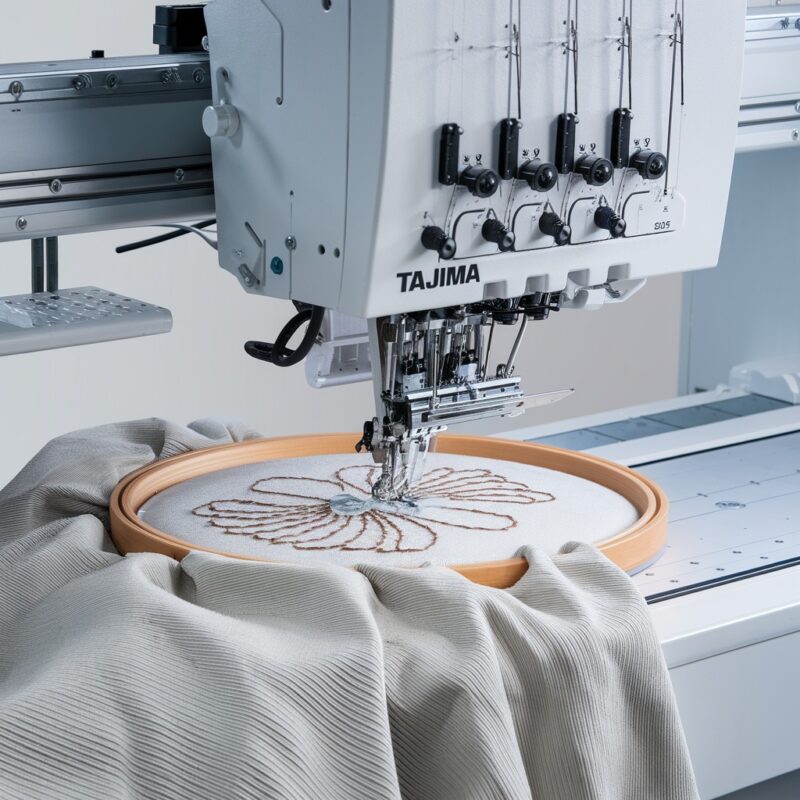
13. Incorrect Embroidery Hooping
Improper hooping can lead to fabric shifting or bunching, which can cause the machine to struggle during the embroidery process, potentially leading to freezing or slowdowns.
Solution:
- Make sure the fabric is hooped correctly, with even tension across the entire surface. The fabric should be taut but not overly stretched, as either extreme can cause issues with the machine’s movement.
- Use the correct hoop size for your project. Using a hoop that’s too large or too small for the design can cause the fabric to move during stitching, which can slow down the machine.
- Consider using additional stabilizers if you’re working with delicate or stretchy fabrics to prevent fabric movement during embroidery.
14. Bobbin Issues
Bobbin-related problems, such as improper winding or tension issues, can cause the machine to slow down or stop entirely during the embroidery process.
Solution:
- Ensure that the bobbin is wound evenly and that the tension is properly set. An improperly wound bobbin can lead to thread bunching, which can cause the machine to freeze.
- Clean the bobbin case regularly to remove any lint or thread debris that might affect the smooth operation of the bobbin.
- Always use high-quality bobbin thread and check that the bobbin is correctly seated in its case to avoid issues that could slow down the machine.
15. Fabric and Thread Incompatibility
If you’re using fabric or thread that isn’t suitable for the machine or design, it can cause the machine to struggle, leading to slowdowns or freezing. For example, heavy fabrics or specialty threads might put extra strain on the machine.
Solution:
- Use fabric and thread that are recommended for your Tajima TMBP-SC model. If you’re working with heavier fabrics or specialty threads, consider adjusting the machine’s speed and settings to accommodate them.
- Perform test runs on scrap fabric with the same material and thread to ensure the machine can handle the project without issues.
- Consult the machine’s manual for specific recommendations on fabric and thread types for different types of embroidery work.
16. Needle Issues
A bent, dull, or incorrectly installed needle can cause the machine to slow down or stop during operation. Needle issues are one of the most common causes of machine freezing.
Solution:
- Regularly inspect and replace the needle. A dull or bent needle can increase the machine‘s workload, leading to slowdowns or even complete stops.
- Make sure the needle is the correct size and type for the fabric and thread being used. Using the wrong needle can create additional tension and strain on the machine.
- Always ensure the needle is installed correctly and securely to prevent issues during stitching.
17. Machine Vibration
If your embroidery machine is placed on an unstable surface or if the machine itself vibrates excessively during operation, it can affect the machine’s performance and lead to freezing or slowdowns.
Solution:
- Place the machine on a sturdy, vibration-absorbing surface to reduce the amount of movement during stitching. A stable base will ensure the machine operates smoothly.
- Check the machine’s feet or support structure to ensure they are properly balanced and secure. Loose components can increase vibration, which may affect the machine’s ability to function normally.
- If vibration persists, consider using anti-vibration pads or mats to further stabilize the machine during operation.
18. Needle Plate and Hook Timing Issues
Improper timing between the needle and hook can cause thread jams, which may lead to the machine freezing or slowing down.
Solution:
- If you suspect hook timing issues, consult the machine’s manual or have a certified technician inspect and adjust the hook timing. Proper timing ensures that the needle and bobbin hook move in sync, preventing jams.
- Check the needle plate for any burrs or damage that might cause the thread to catch, which could slow down or stop the machine.
19. Inconsistent Thread Tension
Inconsistent thread tension, particularly with the upper thread, can cause irregular stitching, slow the machine down, or lead to it freezing altogether.
Solution:
- Check the tension settings before starting each project, ensuring they are balanced for the thread and fabric being used.
- Adjust the upper thread tension if you notice tight or loose stitches, and run a test design to ensure the problem is resolved before starting your main project.
- Clean the tension disks regularly to remove lint or dust that might affect the thread tension.
20. Lack of Firmware Calibration
In some cases, the machine may require recalibration, especially after an update or heavy use, to ensure that all functions are working correctly and at the optimal speed.
Solution:
- Perform a machine calibration if the manufacturer provides that option. This can help realign any settings that may have become misaligned after extensive use.
- If the machine has recently been updated or serviced, it’s a good idea to recalibrate it to ensure that the software and hardware are in sync.
Conclusion
Machine freezing or slowing down on the Tajima TMBP-SC Series (Single-Head Compact) can disrupt your embroidery projects, but most issues can be fixed with regular maintenance, proper threading, and careful adjustment of machine settings. By understanding the common causes such as overloaded designs, outdated firmware, or mechanical issues, and addressing them accordingly, you can ensure smooth and efficient operation. Implement these solutions to keep your Tajima machine running at its best and avoid unnecessary interruptions in your embroidery work.