
Blog
Tajima TMCR Series: Essential Maintenance Schedule & Wear Parts Guide


Quick answer: Regular maintenance is crucial for the Tajima TMCR series to ensure optimal performance and longevity. This includes daily cleaning and lubrication, weekly inspections of critical components like needles and rotary hooks, and periodic checks of belts, pulleys, and cutters. Proactive replacement of wear parts such as needles, rotary hooks, cutter blades, and timing belts will prevent costly breakdowns.
Maintaining your Tajima TMCR series embroidery machine is essential for consistent stitch quality, reliable operation, and extending its lifespan. This guide provides a comprehensive maintenance schedule and highlights the wear parts you should regularly inspect and replace. By following these recommendations, you can minimize downtime, prevent costly repairs, and ensure your machine continues to produce high-quality embroidery.
Two-minute checks before you open anything
- Check for any unusual noises or vibrations during operation.
- Inspect the needle for sharpness and straightness before starting a new job.
- Verify that the bobbin is wound correctly and the bobbin case tension is appropriate.
- Check for any loose screws or components on the needle bars or presser feet.
- Ensure the thread path is clear and free of lint or tangles.
1. Needles high likelihood
How to tell
Frequent thread breaks, skipped stitches, frayed thread, dull or bent needle point, burrs on the needle eye or shaft, or unusual noise during stitching.
Fix
- Visually inspect the needle point for dullness, bends, or burrs.
- Feel the needle point with a fingernail; it should be smooth and sharp.
- Replace the needle if any damage is found. Ensure the scarf is facing correctly and the needle is fully seated.
Parts involved: Needles & needle bars →
2. Rotary Hook & Bobbin Case high likelihood
How to tell
Poor bottom thread tension, looping on top or bottom, frequent bobbin thread breaks, grinding noises from the hook area, or visible burrs/scratches on the hook point or bobbin case.
Fix
- Remove the bobbin case and bobbin.
- Inspect the rotary hook point for damage, burrs, or excessive wear.
- Check the bobbin case for nicks, scratches, or bent tension springs.
- Clean any lint or debris from the hook area.
- If damaged, replace the rotary hook or bobbin case. Ensure proper reassembly and lubrication.
Parts involved: Rotary hooks & bobbin cases →
Parts you may need for Tajima TMCR
In stock, tested before dispatch, Buyer Protection on every order. Part types for this problem: Rotary hooks & bobbin cases, Needles & needle bars, Thread path & tension, Cutters & trimmers.
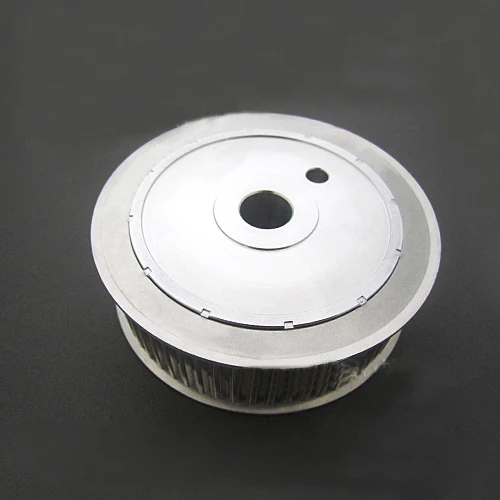
 Tajima 32 Teeth Synchronous Belt Pulley for TFMX, TMFX, TMAR, TFGN,...$ 232.29View part →
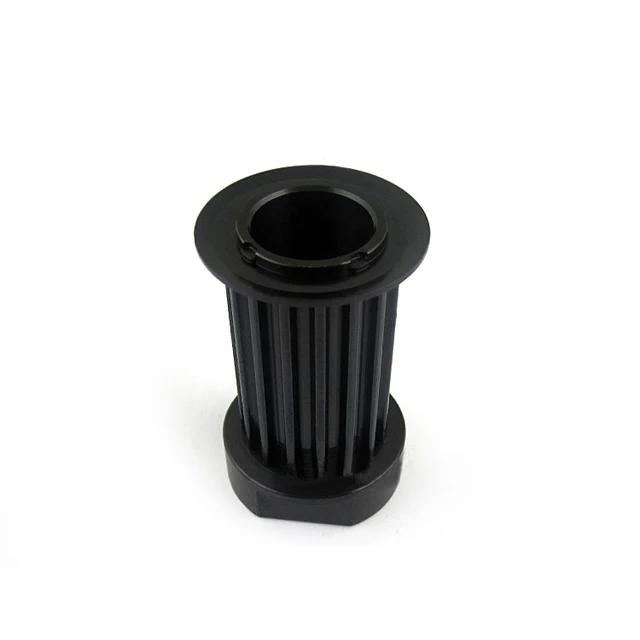
 Tajima 501457010000 W25-60 Timing Pulley for TFMX TMFX TFGN TMAR TM...$ 293.99View part →
 Tajima W35-16 Timing Pulley Synchronous Wheel for TFMX, TMAR, TMBP-...$ 524.99View part →
 Tajima MBL S5M625 Timing Belt 25mm for TMAR, TFMX, TFGN, TMEZ, TMCR...$ 46.09View part →
 Hirose HSH-7.94ATR(MTQ) KHS12-RYP Rotary Hook for Tajima, Barudan, ...$ 18.09View part →
 Koban KHS12-RYP Rotary Hook with Trimmer for Tajima, Barudan, SWF, ...$ 37.29View part →
All Tajima TMCR parts → Rotary Hooks & Bobbin Cases → Needles & Needle Bars → Thread Path & Tension →
3. Tajima High-Speed Plastic Cutter Assembly FD Motor medium likelihood
How to tell
Inconsistent thread trimming, frayed thread ends after trimming, thread not trimming at all, or unusual noises during the trim cycle. The cutter motor may sound strained.
Fix
- Power off the machine.
- Carefully inspect the moving and fixed cutter blades for nicks, dullness, or excessive lint buildup.
- Check for any obstructions in the cutter path.
- If blades are dull or nicked, replace the Tajima High-Speed Plastic Cutter Assembly FD Motor. Refer to your machine manual for specific replacement procedures and adjustments.
The entire assembly is often replaced for optimal performance, as individual blade replacement can be complex.
Parts involved: Cutters & trimmers →
4. Tajima MBL S5M625 Timing Belt 25mm for TMAR, TFMX, TFGN, TMEZ, TMCR, TEJT Series Embroidery Machines medium likelihood
How to tell
Skipped stitches, misaligned embroidery, unusual squealing or flapping noises from the belt area, visible cracks, fraying, or missing teeth on the belt. Machine may struggle with certain movements.
Fix
- Power off and unplug the machine.
- Locate the timing belt (often under covers).
- Inspect the belt for any signs of wear: cracks, fraying, missing teeth, or excessive slack.
- If worn, replace with a new Tajima MBL S5M625 Timing Belt 25mm. Ensure proper tensioning according to your machine's manual after installation.
Parts involved: Belts, pulleys & gears →
5. MBL S5M1225 Main Shaft Motor Belt 30mm for Tajima TFMX TMFX TMBP-SC TMAR TMCR Series medium likelihood
How to tell
Machine motor struggles to turn, inconsistent needle bar movement, unusual squealing or slipping noises from the main motor area, visible cracks, fraying, or missing teeth on the belt.
Fix
- Power off and unplug the machine.
- Locate the main shaft motor belt, typically connecting the main motor to the machine's main shaft.
- Inspect the belt for cracks, fraying, missing teeth, or signs of glazing/slipping.
- If worn, replace with a new MBL S5M1225 Main Shaft Motor Belt 30mm. Adjust tension as per the manufacturer's specifications in your machine manual.
Parts involved: Belts, pulleys & gears →
6. Timing Pulleys (e.g., Tajima 32 Teeth Synchronous Belt Pulley, Tajima 501457010000 W25-60 Timing Pulley, Tajima W35-16 Timing Pulley Synchronous Wheel) low likelihood
How to tell
Excessive belt wear, belt slipping, grinding noises, play in the shaft, or visible wear/damage to the pulley teeth. Misaligned embroidery or timing issues may also occur.
Fix
- Power off and unplug the machine.
- Inspect the teeth of all accessible timing pulleys for wear, chips, or deformation.
- Check for any wobble or excessive play in the pulley on its shaft.
- If a pulley is damaged, replace it with the correct part (e.g., Tajima 32 Teeth Synchronous Belt Pulley, Tajima 501457010000 W25-60 Timing Pulley, Tajima W35-16 Timing Pulley Synchronous Wheel). Ensure proper alignment and secure fastening.
Inspect all pulleys associated with the timing belts, as wear on one can affect belt life and machine timing.
Parts involved: Belts, pulleys & gears →
Maintenance schedule
| When | What to do | Why |
|---|---|---|
| Daily (or every 8 hours of operation) | Clean the rotary hook area and bobbin case. | Removes lint and thread debris that can cause stitch imperfections, thread breaks, and wear on the hook. |
| Daily (or every 8 hours of operation) | Oil the rotary hook and needle bar drive mechanism. | Ensures smooth operation of critical moving parts, reduces friction, and prevents premature wear. |
| Weekly (or every 40 hours of operation) | Clean the entire thread path (tension discs, thread guides, take-up lever). | Removes wax, lint, and thread residue that can affect thread tension and cause thread breaks. |
| Weekly (or every 40 hours of operation) | Inspect needles for damage and replace as needed. | Dull or bent needles cause skipped stitches, fabric damage, and thread breaks. |
| Monthly (or every 160 hours of operation) | Inspect timing belts (e.g., Tajima MBL S5M625 Timing Belt 25mm, MBL S5M1225 Main Shaft Motor Belt 30mm) for wear. | Early detection of cracks, fraying, or missing teeth can prevent unexpected belt failure and timing issues. |
| Monthly (or every 160 hours of operation) | Inspect cutter blades (Tajima High-Speed Plastic Cutter Assembly FD Motor) for sharpness and cleanliness. | Dull or dirty cutters lead to poor trims, frayed threads, and potential thread jams. |
| Every 500-1000 hours (or Annually) | Inspect all timing pulleys (e.g., Tajima 32 Teeth Synchronous Belt Pulley, Tajima 501457010000 W25-60 Timing Pulley) for tooth wear and play. | Worn pulleys can cause belt slippage, timing issues, and accelerate belt wear. |
| Every 500-1000 hours (or Annually) | Check and clean sensors and switches. | Ensures proper machine function and prevents misreads or malfunctions. |
| Every 500-1000 hours (or Annually) | Lubricate all specified points as per manufacturer's manual. | Comprehensive lubrication ensures all moving parts operate smoothly, reducing friction and extending machine life. |
Stop and call a technician if
- If you encounter persistent error codes that cannot be resolved with basic troubleshooting.
- For any issues involving the main motor, circuit boards, or complex electrical components.
- If you suspect a major mechanical failure, such as a bent shaft or damaged main bearing.
- For precise timing adjustments that you are not comfortable performing yourself.
- If you experience recurring problems after replacing wear parts, indicating a deeper issue.
Prevent it coming back
- Always use high-quality needles appropriate for your fabric and thread type.
- Ensure proper thread tension to reduce stress on needles, hooks, and thread path components.
- Keep your workspace clean and free of dust and lint, which can clog machine parts.
- Use only manufacturer-recommended lubricants and follow the specified lubrication schedule.
- Avoid running the machine with dull needles or damaged rotary hooks, as this can cause further damage.
- Operate the machine within its recommended speed limits to reduce wear and tear.
Frequently asked questions
How often should I lubricate my Tajima TMCR machine?
Lubrication frequency depends on usage. Generally, daily oiling of the rotary hook and needle bar area is recommended. Other points may require weekly or monthly lubrication. Always refer to your Tajima TMCR operator's manual for specific lubrication points and intervals, as well as the recommended type of oil.
What are the most common wear parts on a Tajima TMCR?
The most common wear parts on a Tajima TMCR series machine include needles, rotary hooks, bobbin cases, cutter blades (part of the Tajima High-Speed Plastic Cutter Assembly FD Motor), and timing belts (like the Tajima MBL S5M625 Timing Belt 25mm and MBL S5M1225 Main Shaft Motor Belt 30mm). Regular inspection and timely replacement of these parts are key to preventing downtime.
Can I perform all maintenance myself, or do I need a technician?
Many routine maintenance tasks like cleaning, oiling, and replacing needles or bobbin cases can be performed by an operator. However, more complex tasks such as timing adjustments, motor diagnostics, or replacement of major electrical components should typically be handled by a qualified embroidery machine technician. Always consult your manual and know your limits.
How do I know if my timing belt needs replacing?
Signs that your timing belt may need replacing include visible cracks, fraying, missing teeth, excessive slack, or unusual noises like squealing or flapping. Performance issues such as skipped stitches or misaligned embroidery can also indicate a worn timing belt. Regular visual inspection is the best way to catch wear early.
Did this guide fix your machine?
Rate it - it helps other operators find the right fix.
Not sure which part is failing?
Need the logo stitched too?
Get your logo digitized by the people who know this machine
Upload the artwork, see the stitch count and the exact price in 10 seconds, then order with a free sew-out preview. $1 per 1,000 stitches, $10 minimum, 24-hour delivery. Vector conversion from $12.
After the fix
Fixed it? Keep the rest of the shop moving.
OS 360 is the shop software from the team behind this parts store. Every job keeps its status, deadline and owner while a TMCR head is down, restock alerts fire for needles, hooks and bobbins before you run dry, and quotes, invoices and payment live in one place.
- Jobs with status, deadline and owner - nothing slips during downtime
- Inventory with restock alerts, this store one click away
- Instant quotes, invoices and one place to collect payment