What is this case study? This page documents a real completed Digitizing order produced by 360 Digitizing Solutions for a Other placement on Canvas. To protect client privacy, company and brand names have been anonymized. Browse specs, before/after images, and production notes below.
Mastering Canvas Embroidery Digitizing for Complex Artwork
See how our expert digitizers converted a detailed 4×4 inch customer design into a clean, highly efficient 20,241-stitch file tailored specifically for durable canvas material.
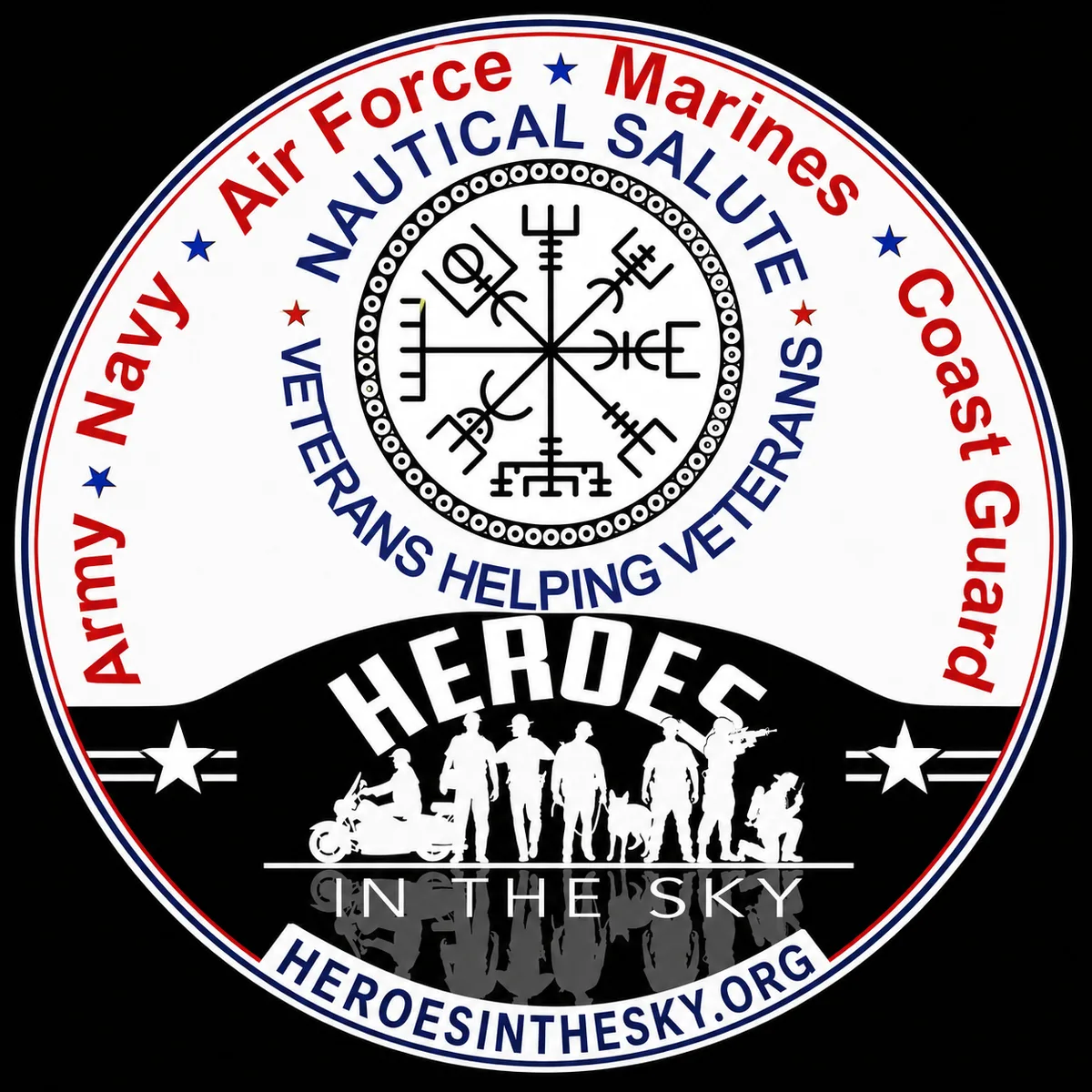
Customer Original Artwork
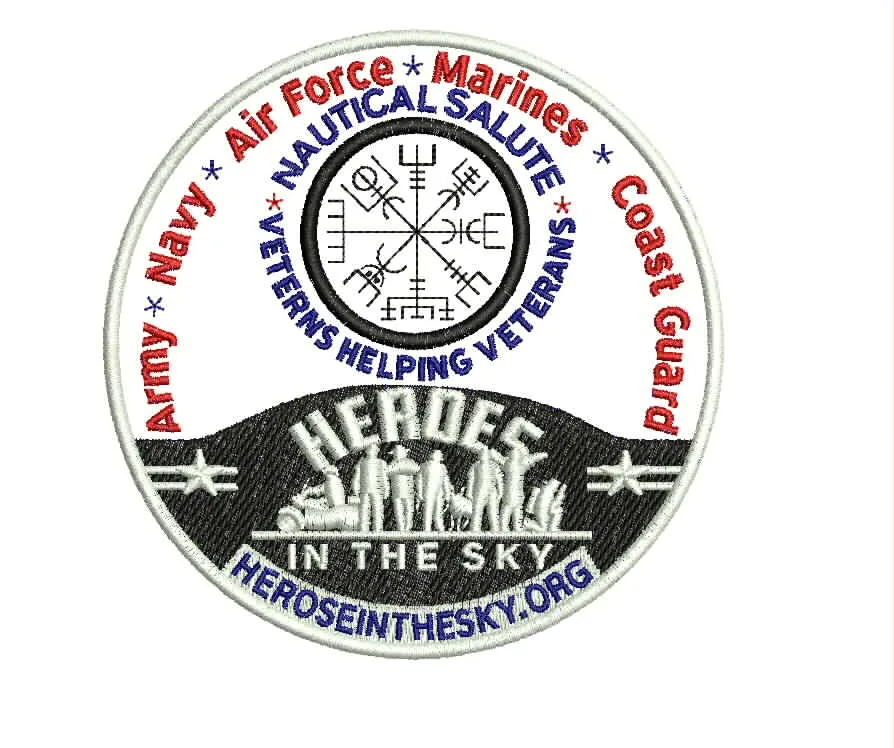
Final Digitized Proof
Order Specifications
Project Background
The original graphic featured sharp lines, intricate details, and closely packed design elements that needed to fit neatly inside a standard 4×4 inch production area. Because canvas does not stretch or forgive errors easily, any minor miscalculation in spacing or pull compensation would result in puckered fabric, distorted graphics, and wasted inventory for the shop.
Our client needed a reliable digital file that could run at commercial speeds without constantly stopping due to birdnesting or thread breakage. They required precise stitch placement to ensure the sharp edges of the artwork remained crisp and legible once stitched out on physical garments.
To solve this, our expert technicians carefully analyzed the source file, mapping out every color region and separating foreground details from background fills. We knew that relying on standard automated conversion software would ruin the project, so manual pathing was mandatory from start to finish.
Ultimately, this project demanded complete technical precision. By studying the structural challenges of the canvas medium, we established a clear roadmap to turn a difficult customer concept into an efficient, production-ready embroidery file that the decorator could run with total confidence.
Technical Production Process
To manage the 20,241 total stitch count within the 4×4 inch boundary, we adjusted stitch densities across all fill areas. Reducing the density slightly prevented thread buildup overlapping zones, while alternating stitch angles minimized push and pull distortion as the machine worked through the dense canvas base.
We also programmed strategic trim points and tie-ins to keep the machine running smoothly at high speeds. Every color change was meticulously ordered to minimize travel stitches, ensuring the underside of the embroidery remained neat and flat against the heavy material.
Finally, we applied custom pull compensation settings specifically calibrated for heavy woven fabrics. This accounted for the natural tendency of canvas to pull inward under high thread tension, guaranteeing that the final stitched output matched the original customer proof down to the millimeter.
- ✓ Applied double-zigzag underlay to stabilize rigid canvas fibers and prevent shifting
- ✓ Balanced stitch density across 20,241 total stitches to eliminate fabric puckering
- ✓ Calibrated pull compensation for precise edge registration on tight wovens
Final Outcome
Because the underlay and density were calibrated specifically for canvas, the fabric remained completely flat with zero puckering or distortion around the edges. The local shop was able to fulfill their customer order on time, reducing production downtime and maximizing their overall profit margin.
This project highlights our dedication to practical, reliable embroidery digitizing. By focusing on technical accuracy and real-world machine performance, we ensure that every file you receive is ready to run right out of the box. Place your next order with us and experience the difference clean digitizing makes.
Ready for Flawless Production?
We deliver production-ready files optimized for your exact machines and fabrics, reducing thread breaks and maximizing shop efficiency.
Frequently Asked Questions
What fabric was used for this embroidery project? +
This particular project utilized heavy-duty canvas fabric, which requires specialized underlay and stitch density adjustments to achieve clean results.
How many stitches are in the final digitized file? +
The final production-ready file contains exactly 20,241 stitches optimized for a 4×4 inch layout.
Disclaimer: All logos and designs are the property of their respective copyright/trademark owners. This case study is for the sole purpose of demonstrating 360 Digitizing Solutions’ technique and quality. We do not claim ownership of the original artwork, nor are these designs for sale.
Brand Representative? Request Portfolio Privacy/Removal (Corporate Email Required)
More embroidery digitizing case studies
Filed under Case Studies / Embroidery Digitizing / Other Placements
 Professional Embroidery Digitizing for Canvas Jackets
 Precise Outline Logo Digitizing on Leather
 Butler EMS Patch Digitizing
 Sasquatch Hat Embroidery Digitizing Case Study
 Professional Embroidery Digitizing for DC Contour Outline
 Professional Embroidery Digitizing for Cotton Apparel
 Professional Embroidery Digitizing for DC Contour Outline
 Professional Embroidery Digitizing for Apparel Decorator