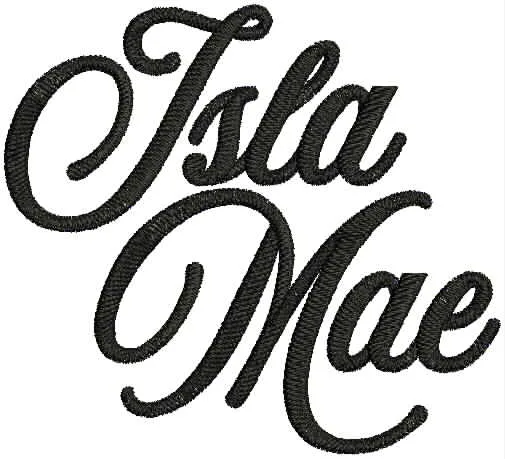
What is this case study? This page documents a real completed Digitizing order produced by 360 Digitizing Solutions for a Digitizing placement on Other. To protect client privacy, company and brand names have been anonymized. Browse specs, before/after images, and production notes below.
Mastering Complex Detail with Precision Embroidery Digitizing
Discover how our expert team transformed intricate artwork into a clean, highly optimized 12,698-stitch embroidery file designed for flawless apparel production.
Final Digitized Proof
Order Specifications
Project Background
Our primary objective for this project was to carefully analyze the client’s concept and translate every element into a structured stitch file. Because the design required a proportional layout measuring around four inches, every single element had to be scaled and prioritized to ensure legibility on the finished garments. Working with specialized fabrics adds another layer of complexity, requiring precise control over how stitches interact with the underlying textile substrate.
The client required a file that would run smoothly on commercial multi-head machines without requiring constant thread trimming or manual intervention from the machine operator. Achieving this meant carefully mapping out the sequence of colors and establishing clear travel paths to minimize jump stitches. Our experienced digitizers spent significant time evaluating the design geometry to prevent any potential puckering on the fabric during high-speed runs.
By focusing on clean vector paths and strategic stitch allocation, we ensured that the final output would maintain its visual integrity across multiple production runs. This project highlights our ongoing commitment to helping apparel businesses reduce downtime and improve overall product quality through expert digital craftsmanship and meticulous attention to detail.
Ultimately, this project served as a great example of how thorough pre-production planning pays off on the embroidery floor. The decorator received a robust, dependable file that allowed them to fulfill their customer order on schedule and with complete confidence in the final stitched result.
Technical Production Process
Next, we carefully adjusted the stitch density to suit the specific fabric texture, ensuring adequate coverage without adding unnecessary bulk that could stiffen the material. Pull compensation values were adjusted across all satin columns and fill areas to counteract the natural tension and pulling forces exerted by the thread during the embroidery process.
Finally, we optimized the stitch angles to create natural light reflection and smooth transitions between adjacent color segments. Every connection point was meticulously planned to eliminate excessive jump stitches, keeping the reverse side clean and reducing manual post-processing work for the shop team.
These targeted technical adjustments ensured that the 12,698 stitches flowed logically from start to finish, providing a stable and reliable production run for the decorator’s shop floor.
- ✓ Applied custom underlay routing to stabilize delicate fabric areas
- ✓ Calibrated pull compensation to maintain precise shape dimensions
- ✓ Minimized jump threads for efficient, uninterrupted multi-head runs
Final Outcome
By providing a production-ready file optimized for their specific machine setup, we helped the client save valuable time and reduce material waste. The final embroidered pieces looked professional, durable, and ready for immediate retail distribution or customer delivery.
This successful order reinforces our dedication to providing top-tier digitizing solutions for apparel decorators everywhere. We continue to support growing businesses by delivering reliable files that perform consistently under demanding production schedules.
Ready for Flawless Production?
We deliver production-ready files optimized for your exact machines and fabrics, reducing thread breaks and maximizing shop efficiency.
Frequently Asked Questions
What is the turnaround time for custom embroidery digitizing? +
Most standard orders are completed and delivered within 12 to 24 hours, ensuring your production schedule stays on track.
How do you ensure stitch quality on different fabric types? +
Our expert digitizers manually adjust underlay patterns, pull compensation, and stitch density specifically tailored to match the unique characteristics of your garment fabric.
Disclaimer: All logos and designs are the property of their respective copyright/trademark owners. This case study is for the sole purpose of demonstrating 360 Digitizing Solutions’ technique and quality. We do not claim ownership of the original artwork, nor are these designs for sale.
Brand Representative? Request Portfolio Privacy/Removal (Corporate Email Required)