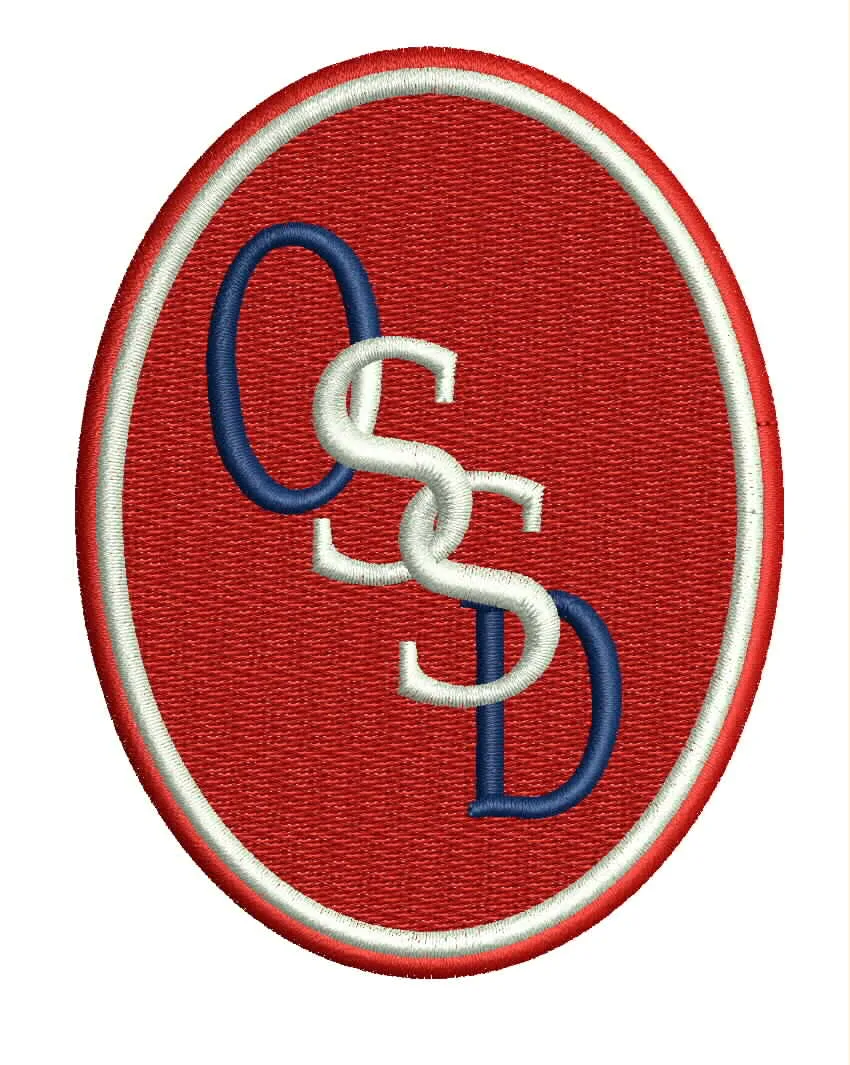
What is this case study? This page documents a real completed Digitizing order produced by 360 Digitizing Solutions for a Left Chest placement on Polyester. To protect client privacy, company and brand names have been anonymized. Browse specs, before/after images, and production notes below.
Mastering Left-Chest Polyester Embroidery Digitizing
Discover how our expert team transformed a client’s artwork into a robust, high-performance stitch file tailored specifically for polyester garments.
Customer Original Artwork

Final Digitized Proof
Order Specifications
Project Background
Polyester fabrics are notoriously unforgiving when embroidered incorrectly. Because polyester lacks the natural give of cotton, improper density or aggressive stitch counts can easily lead to puckering, thread breaks, and distorted designs. Our primary goal was to analyze the incoming artwork and adapt it carefully for the unique challenges posed by this synthetic fabric.
The design featured a combination of fine lettering and solid fill areas that required careful planning to ensure readability. At 3×3 3/4 inches, the dimensions offered a compact canvas where every single stitch had to serve a distinct purpose. Overcrowding the design would ruin the fabric drape, while sparse stitching would leave gaps in the coverage.
Our team evaluated the client artwork to establish a solid foundation before programming any machine commands. By taking the time to understand the end-use requirements, we set ourselves up to deliver a clean file that runs smoothly on commercial multi-head embroidery equipment without unnecessary downtime.
The client relied on our expertise to handle this technical hurdle efficiently. Our priority was to maintain the integrity of the original concept while ensuring complete production reliability from the very first stitch to the final trim.
Technical Production Process
Next, we adjusted the stitch densities across all fill areas. Polyester traps heat and can pucker if too many penetrations happen in a tight space. We balanced the spacing to provide solid coverage while allowing the fabric to retain its natural flexibility.
Finally, we optimized the travel paths and trim commands to minimize jump stitches and reduce total run time. Every color change was carefully sequenced to ensure the machine operated efficiently, lowering the risk of thread shredding on synthetic fibers.
These meticulous steps guarantee that the final file behaves predictably on the production floor, saving shop owners time and minimizing material waste during large run jobs.
- ✓ Applied specialized underlay patterns to stabilize slick polyester fabric
- ✓ Adjusted fill densities to eliminate puckering and maintain garment flexibility
- ✓ Optimized travel paths and trims for efficient 13,637-stitch run execution
Final Outcome
Our client was able to run the production batch smoothly, meeting their delivery deadlines with zero machine stoppages caused by faulty programming. The 13,637 stitches integrated harmoniously with the fabric, proving that thoughtful technical planning yields superior embroidery outcomes.
This project stands as a clear example of how professional optimization solves real-world decorating challenges. By focusing on proper density, underlay, and fabric compatibility, we consistently help apparel decorators achieve professional results on every order.
Ready for Flawless Production?
We deliver production-ready files optimized for your exact machines and fabrics, reducing thread breaks and maximizing shop efficiency.
Frequently Asked Questions
What fabric was used for this embroidery project? +
This project was executed on high-performance polyester fabric, requiring specialized tension settings and density adjustments to prevent puckering.
What is the stitch count for this design? +
The finalized design consists of precisely 13,637 stitches, optimized for durability and clarity.
What is the placement of the embroidered design? +
The artwork is scaled and structured specifically for left-chest placement, measuring 3×3 3/4 inches.
Disclaimer: All logos and designs are the property of their respective copyright/trademark owners. This case study is for the sole purpose of demonstrating 360 Digitizing Solutions’ technique and quality. We do not claim ownership of the original artwork, nor are these designs for sale.
Brand Representative? Request Portfolio Privacy/Removal (Corporate Email Required)