
What is this case study? This page documents a real completed Digitizing order produced by 360 Digitizing Solutions for a Cap Front placement on Polyester. To protect client privacy, company and brand names have been anonymized. Browse specs, before/after images, and production notes below.
Mastering Cap Front Embroidery on Technical Polyester Fabrics
Discover how our expert team translated a complex customer graphic into a crisp, highly durable 12,771-stitch cap embroidery layout without sacrificing clarity or causing fabric distortion.
Customer Original Artwork
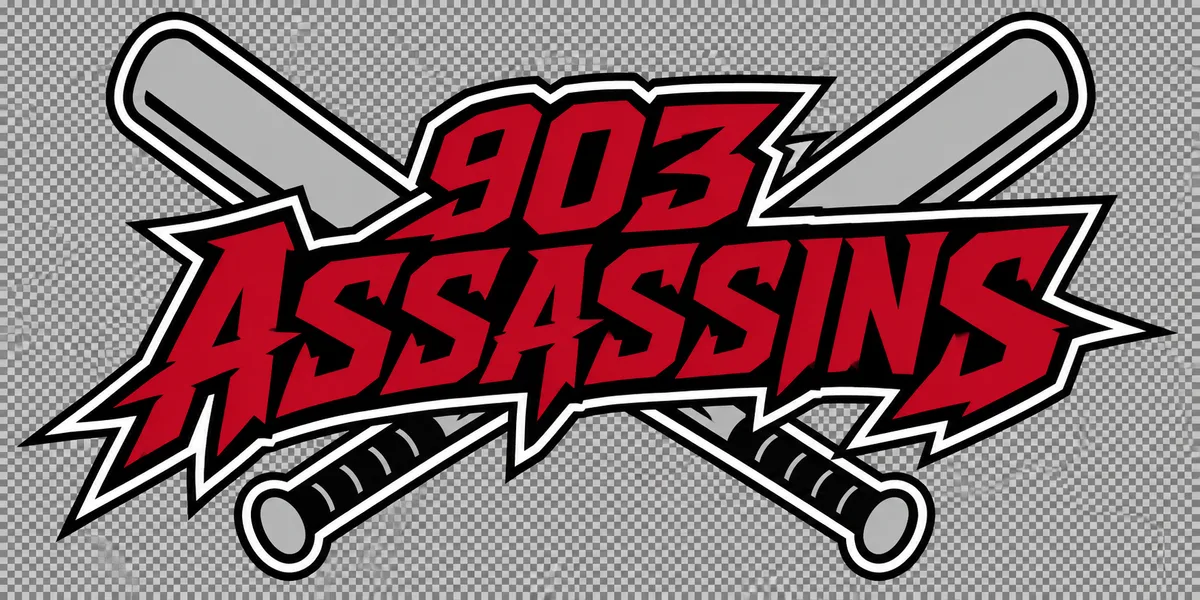
Final Digitized Proof

Order Specifications
Project Background
Polyester is a synthetic material known for its slick texture and low stretch tolerance. When needle penetration rates are high, improper pull compensation can cause the material to bunch up around dense stitching areas. Our primary goal for this order was to balance the density of the artwork so that every single character remained completely legible while maintaining smooth registration across the curved surface of the cap.
Our technical team analyzed the customer file and mapped out a strategic layout plan. The target was to keep the stitch count optimized at 12,771 stitches. This ensured solid coverage without overloading the fabric with unnecessary density, which often leads to needle deflection and frequent thread breaks during high-speed commercial production runs on multi-head embroidery equipment.
Working closely with the physical limitations of cap framing systems, our digitizers planned every travel path carefully. Minimizing unnecessary jump stitches helps maintain clean borders and reduces post-production trimming time for the apparel decorator. Every element of the graphic was aligned to center naturally on the front panels of the hats, ensuring a professional retail-ready finish upon completion.
Technical Production Process
We modified the pull compensation settings across all horizontal elements to counteract the natural sideways contraction of polyester fabric. By widening the outlines slightly during the programming phase, we guaranteed that the final stitched output would match the original artwork dimensions precisely once removed from the embroidery hoop.
Stitch sequencing played a massive role in preventing registration errors. We programmed the machine to stitch outward from the center point of the design, which evenly distributes fabric tension and eliminates the risk of warping on structured headwear front panels.
- ✓ Applied dual-layer underlay to stabilize slippery polyester cap panels
- ✓ Optimized pull compensation settings to prevent fabric puckering
- ✓ Sequenced stitch flow outward from the center to maintain flawless registration
Final Outcome
By addressing the unique behavior of polyester fabric early in the digitizing phase, we saved the client valuable production time and eliminated costly material waste. The final embroidered caps look sharp, clean, and durable, ready for immediate retail distribution and long-term daily wear.
Ready for Flawless Production?
We deliver production-ready files optimized for your exact machines and fabrics, reducing thread breaks and maximizing shop efficiency.
Frequently Asked Questions
What file formats are provided with the final order? +
We deliver all standard industrial and home embroidery formats required by your specific machine brand.
How do you ensure quality on polyester fabrics? +
We use specialized underlay patterns and density controls tailored specifically to synthetic materials to prevent puckering and shrinkage.
Disclaimer: All logos and designs are the property of their respective copyright/trademark owners. This case study is for the sole purpose of demonstrating 360 Digitizing Solutions’ technique and quality. We do not claim ownership of the original artwork, nor are these designs for sale.
Brand Representative? Request Portfolio Privacy/Removal (Corporate Email Required)