
What is this case study? This page documents a real completed Digitizing order produced by 360 Digitizing Solutions for a Sleeve placement on Fleece. To protect client privacy, company and brand names have been anonymized. Browse specs, before/after images, and production notes below.
Mastering Sleeve Embroidery on Fleece Fabric
Discover how our specialized approach turned a tricky fleece sleeve placement into a clean, retail-ready embroidered finish.
Customer Original Artwork
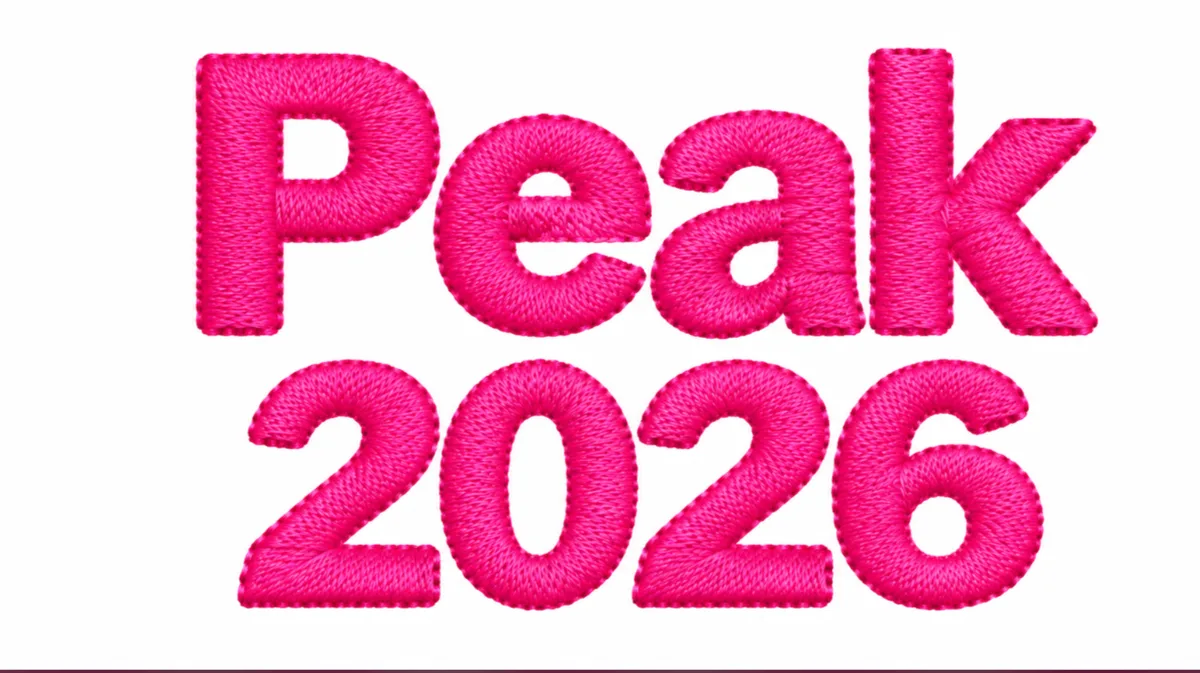
Final Digitized Proof

Order Specifications
Project Background
The original artwork was clean, but measuring 2.25×1.5 inches meant it had to be condensed into a relatively small area. Working on a sleeve also adds physical constraints for embroidery machines, requiring narrow hoops and precise positioning. The client needed a technical solution that balanced density so the fabric wouldn’t pucker while maintaining solid coverage over the textured fleece material.
Our team analyzed the source file to identify potential trouble spots, such as tight corners and thin lines that could sink into the fleece fibers. By taking a proactive approach to the layout, we planned out a strategy that would keep the embroidery crisp and legible from a distance. The goal was to provide a production file that could run at standard commercial speeds without causing thread breaks or machine stops.
We also had to account for how fleece stretches under needle penetration. Without proper stabilization and pull compensation, the stitches can distort the shape of the graphic once the garment is unhooped. Our digitizers focused on creating a balanced foundation that would anchor the design securely into the fleece surface while maintaining a clean aesthetic.
Ultimately, this project required careful planning to bridge the gap between creative artwork and practical machine execution. Our focus remained on delivering a dependable file that the shop operator could run with total confidence, minimizing downtime and scrap rates on expensive garments.
Technical Production Process
Next, we adjusted the stitch density and set appropriate pull compensation values. Because fleece naturally relaxes after embroidery, adding extra compensation ensures that the borders stay aligned and crisp. We also optimized the stitch angles to distribute tension evenly across the 3,243 stitches, reducing the risk of material puckering.
Finally, we planned efficient travel paths between color segments to reduce unnecessary trims and jump stitches. Minimizing machine movement helps protect the thread from friction and keeps production running smoothly on the shop floor. Every detail was double-checked to ensure optimal performance on tubular sleeve setups.
The resulting file was structured to run smoothly at high speeds. By testing the simulated pathing, we verified that the needle punches would not crowd the narrow sleeve real estate, ensuring a clean and trouble-free embroidery run for the decorator.
- ✓ Applied robust underlay to flatten fleece nap and prevent sinking
- ✓ Optimized pull compensation and stitch density for fabric stability
- ✓ Streamlined travel paths to eliminate thread breaks on narrow sleeves
Final Outcome
The client was able to complete their production run ahead of schedule with zero machine downtime caused by poor file programming. This project highlights our dedication to practical, high-performance digitizing that solves real workshop challenges and delivers a polished finished product every single time.
Ready for Flawless Production?
We deliver production-ready files optimized for your exact machines and fabrics, reducing thread breaks and maximizing shop efficiency.
Frequently Asked Questions
What makes fleece sleeve embroidery challenging? +
Fleece fabric features a textured, plush surface that can swallow standard stitches. Proper underlay and density adjustments are required to keep the design sharp.
How do you ensure clean results on small designs? +
We carefully manage stitch counts, pull compensation, and routing to ensure intricate details remain crisp even at smaller dimensions.
Disclaimer: All logos and designs are the property of their respective copyright/trademark owners. This case study is for the sole purpose of demonstrating 360 Digitizing Solutions’ technique and quality. We do not claim ownership of the original artwork, nor are these designs for sale.
Brand Representative? Request Portfolio Privacy/Removal (Corporate Email Required)