
What is this case study? This page documents a real completed Digitizing order produced by 360 Digitizing Solutions for a Left Chest placement on Cotton. To protect client privacy, company and brand names have been anonymized. Browse specs, before/after images, and production notes below.
Mastering Left-Chest Digitizing: Precision Embroidery for Cotton Apparel
This case study highlights our expert execution of a detailed left-chest embroidery digitizing project for a local apparel decorator. We successfully transformed complex artwork into a production-ready file, ensuring crisp lines and vibrant thread application on challenging cotton fabric.
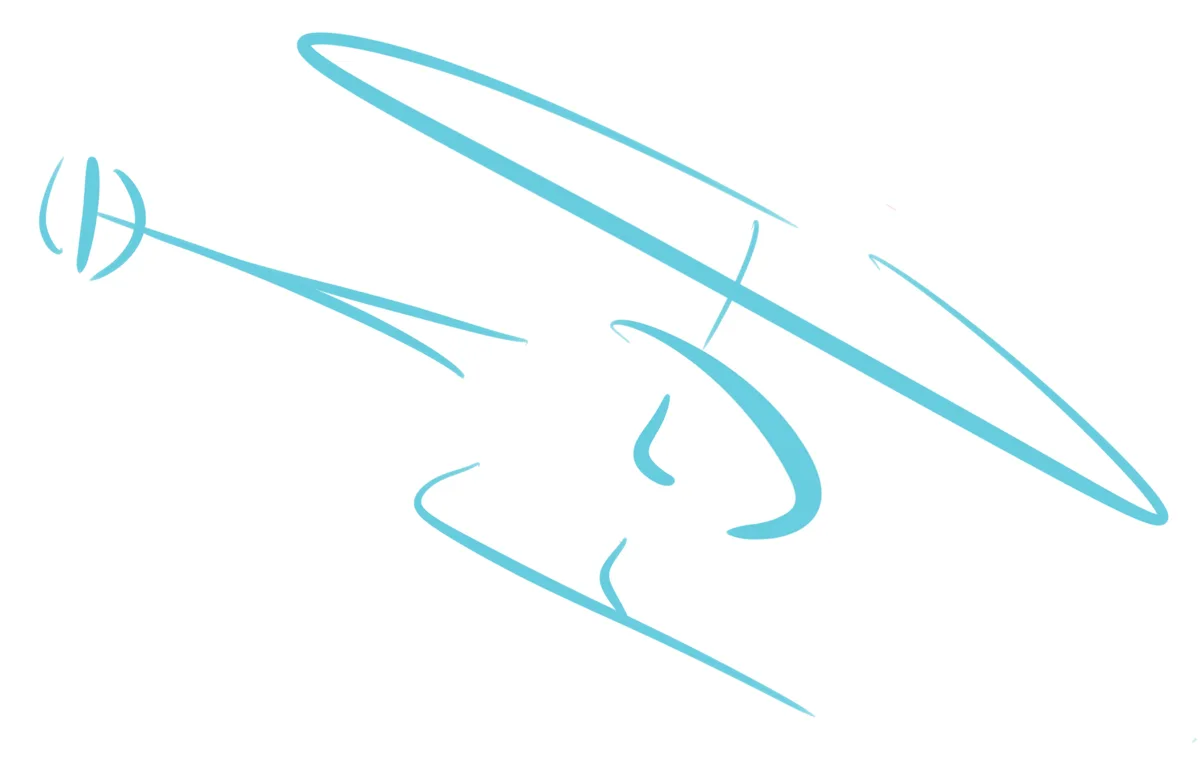
Customer Original Artwork
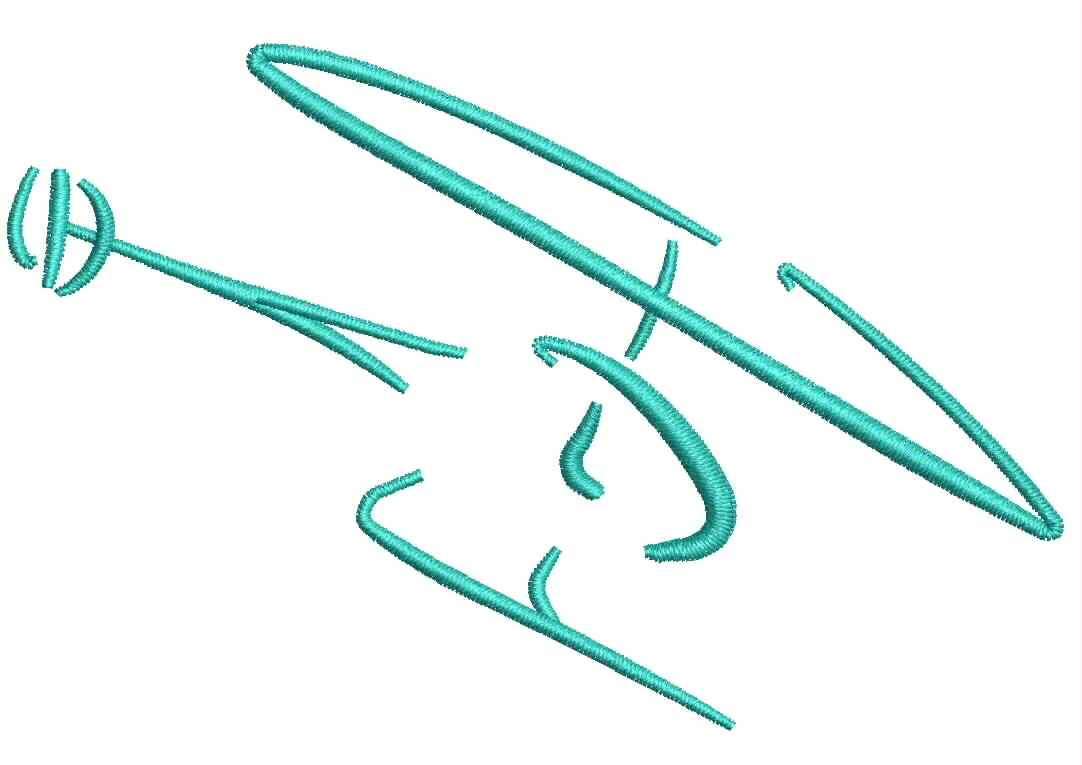
Final Digitized Proof
Order Specifications
Project Background
Cotton, while a common fabric for embroidery, presents its own unique set of considerations for digitizers. Its natural fibers have a slight give and can absorb stitches in a way that sometimes distorts fine details if not properly compensated for. For a left-chest application, the design needs to sit perfectly, conforming to the garment’s contours without puckering or gapping. The client emphasized the importance of a clean, professional look that would withstand regular wear and washing, making the foundational digitizing work even more critical.
The original artwork, though visually appealing, contained several elements that posed a typical digitizing challenge. It featured both solid fill areas and delicate outlines, requiring a harmonious balance between coverage and definition. Achieving sharp edges on small text and intricate curves, especially within a compact 3.5×2.25 inch footprint, demanded meticulous attention to detail from our expert digitizers. Any misstep in density or stitch direction could lead to a ‘fuzzy’ appearance or uneven texture, compromising the overall aesthetic.
Our core challenge was to ensure that every element of the client’s vision was accurately represented in thread, on cotton, at a smaller scale, and ready for efficient machine production. This meant anticipating how the threads would lay, how the fabric would react, and how to build a robust, durable design that would stitch out perfectly the first time. The client needed a file that would minimize thread breaks and registration issues on their embroidery machines, thereby saving them valuable production time and material costs. Our expertise was crucial in navigating these complexities to deliver a truly production-ready solution.
Technical Production Process
Density adjustments were made precisely for each section of the design. Areas with solid fills, such as the main body of the logo, received a slightly lower density to avoid creating a stiff, board-like feel on the fabric, which is particularly important for left-chest placements where comfort is key. Conversely, fine lines and small text elements required a slightly higher density with shorter stitch lengths to ensure crisp definition and prevent gaps or thread show-through. This nuanced approach guarantees a balanced, professional appearance.
Stitch direction played a critical role in bringing the artwork to life. We carefully mapped out the stitch angles to follow the contours of the design, creating a sense of depth and movement. For instance, curved elements received stitches that flowed with the curve, preventing jagged edges. Pull compensation was meticulously applied throughout the design, accounting for the natural tendency of fabric to draw in slightly when stitches are applied. This proactive adjustment ensures that the digitized design, when stitched, matches the original artwork’s dimensions accurately, preventing distortion.
Furthermore, the sequence of stitching was optimized to reduce color changes and minimize machine stops, thereby enhancing production efficiency for the apparel decorator. We strategically ordered the elements to build the design from the inside out, or from larger areas to smaller details, ensuring clean overlaps and preventing unnecessary thread trimming. The result is a highly efficient and effective embroidery file that is ready for immediate production, delivering both quality and speed.
- ✓ Applied tailored underlay stitches to stabilize cotton fabric and enhance definition.
- ✓ Implemented precise pull compensation and density adjustments for crisp edges and smooth fills.
- ✓ Optimized stitch directions to align with design contours, ensuring a dynamic and professional finish.
Final Outcome
Our rigorous technical process resulted in a production-ready file that minimized common embroidery issues such as thread breaks, skipped stitches, and misregistration. The client received a file that was optimized for their specific machines, ensuring smooth, efficient runs on their embroidery floor. This not only saved them valuable time and reduced material waste but also guaranteed a superior end product for their customers, reinforcing their reputation for quality.
Ultimately, the client was highly satisfied with the outcome, receiving a digitized file that perfectly captured the essence of their artwork while ensuring flawless, consistent embroidery production. This project exemplifies how 360 Digitizing Solutions transforms complex design challenges into streamlined, high-quality embroidery solutions, enabling our clients to deliver exceptional results every time.
Ready for Flawless Production?
We deliver production-ready files optimized for your exact machines and fabrics, reducing thread breaks and maximizing shop efficiency.
Frequently Asked Questions
Why is specialized digitizing important for cotton fabric? +
Cotton fabric has a natural stretch and can absorb stitches, potentially leading to puckering or distortion if not properly digitized. Specialized digitizing accounts for these characteristics by using appropriate underlays, pull compensation, and density settings to ensure a smooth, crisp, and stable embroidery result on cotton.
What are the benefits of precise left-chest digitizing? +
Precise left-chest digitizing ensures that the design sits perfectly on the garment, maintains its intended dimensions, and prevents common issues like puckering, gapping, or uneven texture. It contributes to a professional, high-quality appearance and enhances the durability of the embroidered design.
How does 360 Digitizing Solutions ensure production-ready files? +
We meticulously analyze artwork, apply strategic underlays, adjust stitch density and direction, and implement precise pull compensation. Our process is optimized to minimize thread breaks and machine stops, delivering files that are efficient and reliable for immediate production on various embroidery machines.
Disclaimer: All logos and designs are the property of their respective copyright/trademark owners. This case study is for the sole purpose of demonstrating 360 Digitizing Solutions’ technique and quality. We do not claim ownership of the original artwork, nor are these designs for sale.
Brand Representative? Request Portfolio Privacy/Removal (Corporate Email Required)