What is this case study? This page documents a real completed Digitizing order produced by 360 Digitizing Solutions for a Left Chest placement on Cotton. To protect client privacy, company and brand names have been anonymized. Browse specs, before/after images, and production notes below.
Mastering Left-Chest Cotton Embroidery with Precision
Discover how our team tackled a detailed left-chest layout on cotton fabric, achieving 13,734 perfectly balanced stitches for commercial garment decoration.
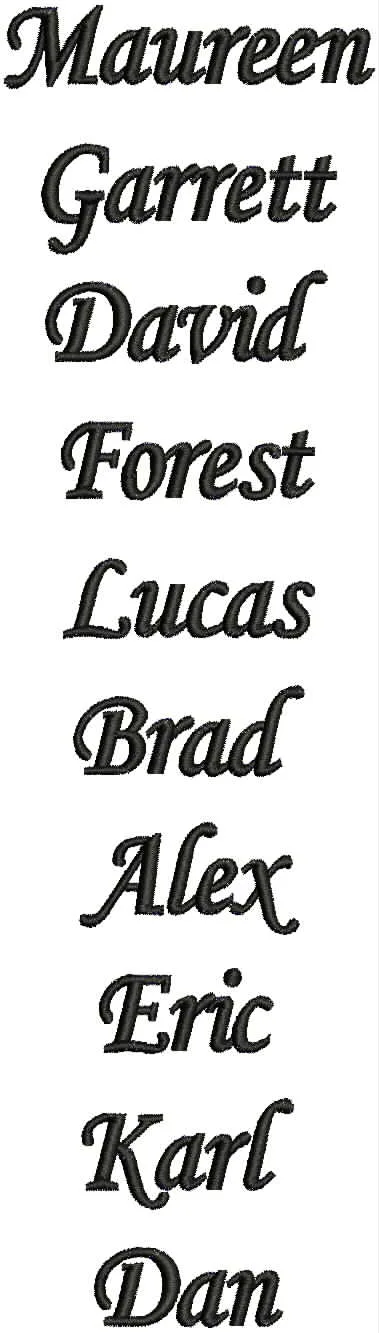
Final Digitized Proof
Order Specifications
Project Background
The client required a clean, legible layout spanning 3.0 by 10 inches, designed to sit comfortably on standard left-chest apparel items like polos, jackets, and hoodies. Because the dimensions called for a wider format, maintaining proper alignment from edge to edge was an absolute priority to prevent any visible skewing on the garment face.
Our team analyzed the structural layout to determine how the text elements would interact with the underlying textile fibers. We recognized that standard auto-digitizing tools would fail to account for the natural shifting of cotton during high-speed multi-head runs, making a manual, engineered approach completely necessary for this job.
By planning out the precise entry and exit points for every letter and graphic element, our technicians set out to create a file that would run smoothly on commercial embroidery machinery without frequent thread breaks or nesting issues at the bobbin case.
The final plan aimed to deliver exactly 13,734 well-distributed stitches, ensuring that the visual weight remained consistent across the entire ten-inch width without overloading the fabric or creating a stiff, heavy patch on the garment.
Technical Production Process
Stitch angles were carefully rotated across different sections of the design to minimize continuous pull in one direction. This strategic variation prevents the fabric from gathering into tight ridges, keeping the finished decoration flat, crisp, and professional.
Density settings were tightly controlled to ensure adequate coverage without over-saturation. By optimizing the stitch spacing, we allowed the natural texture of the cotton to breathe while still providing a solid, opaque visual presence that stands out clearly on any garment color.
- ✓ Engineered pull compensation tailored specifically for woven cotton textiles.
- ✓ Minimized jump stitches and optimized trim commands for efficient multi-head production.
- ✓ Balanced 13,734 stitch count ensuring zero fabric puckering across a 10-inch span.
Final Outcome
The local decorator experienced zero thread breaks and saved valuable time during setup, allowing them to fulfill their customer order ahead of schedule. This project stands as a prime example of how professional digitizing directly improves shop efficiency and garment quality.
We take pride in providing reliable, machine-tested files that empower embroidery businesses to deliver top-tier results on every single order, regardless of fabric type or design width.
Ready for Flawless Production?
We deliver production-ready files optimized for your exact machines and fabrics, reducing thread breaks and maximizing shop efficiency.
Frequently Asked Questions
What fabric was used for this digitizing project? +
This specific design was optimized for standard cotton fabric, utilizing specialized stitch densities to prevent puckering and ensure a flat, smooth finish.
How many stitches are in this left-chest design? +
The finalized design contains exactly 13,734 stitches, carefully balanced to provide rich coverage without adding unnecessary bulk to the garment.
What placement was chosen for the embroidery file? +
The layout was structured specifically for left-chest placement, measuring 3.0 by 10 inches to fit standard apparel proportions perfectly.
Disclaimer: All logos and designs are the property of their respective copyright/trademark owners. This case study is for the sole purpose of demonstrating 360 Digitizing Solutions’ technique and quality. We do not claim ownership of the original artwork, nor are these designs for sale.
Brand Representative? Request Portfolio Privacy/Removal (Corporate Email Required)