Hikone Embroidery Machine: Common Errors in Machine Stops or Won’t Sew and Solutions


Hikone Embroidery Machine: Errors in Machine Stops or Won’t Sew and Solutions
Hikone embroidery machines are known for their precision, but like any machine, they can encounter issues where they suddenly stop or refuse to sew. This can be frustrating, especially during intricate projects. Understanding the common reasons behind this problem and knowing the right solutions can get your machine running smoothly again and prevent future interruptions.
Common Causes for Machine Stops or Won’t Sew in Hikone Embroidery Machines
- Thread Tangles or Jams
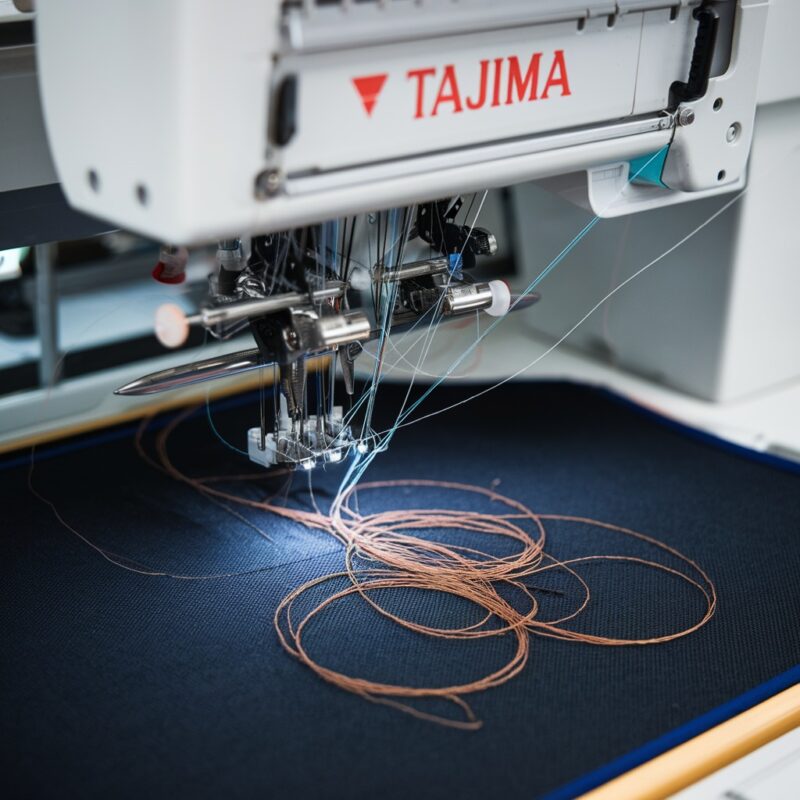
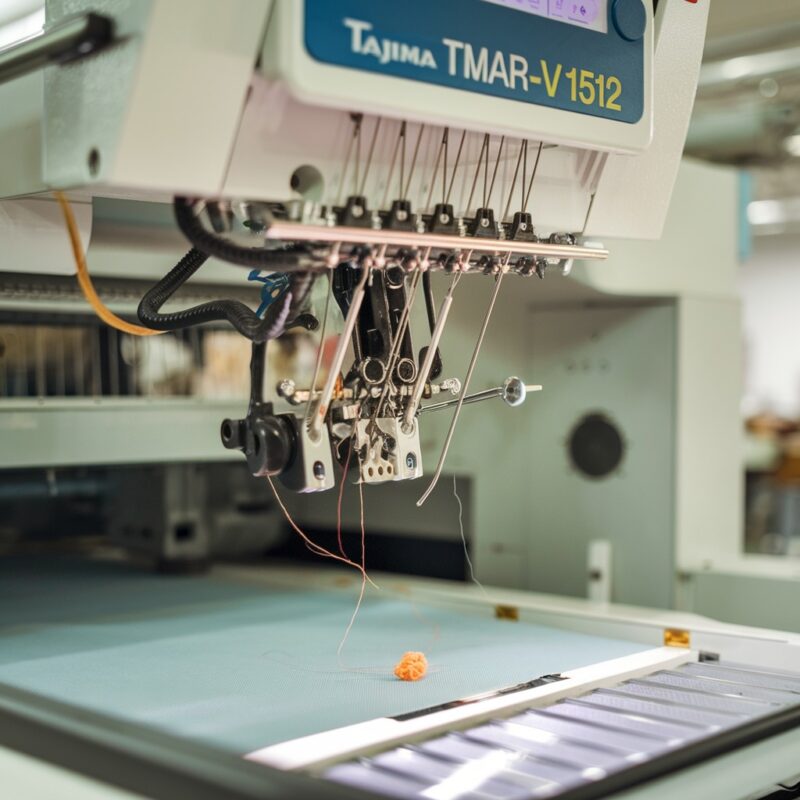
One of the most common reasons for a Hikone embroidery machine to stop sewing is a thread tangle or jam, often occurring in the bobbin area or under the throat plate. - Bobbin Issues
An incorrectly inserted bobbin or an overly loose or tight bobbin thread can prevent the machine from operating correctly. - Needle Problems
A broken, bent, or improperly inserted needle can cause the machine to stop sewing. The machine might halt automatically to prevent damage. - Thread Sensor Problems
If your machine has a thread sensor, it might detect a break or tension issue, causing the machine to stop. A malfunctioning sensor might also stop the machine unnecessarily.
- Overheating
Extended use without breaks can cause the machine to overheat, which can trigger an automatic stop function to prevent damage. - Tension Imbalance
Incorrect upper thread or bobbin tension can cause stitching issues, prompting the machine to stop when it detects a problem. - Hooping Issues
Improper hooping or fabric shifting can cause misalignment, which may lead the machine to stop to avoid stitching errors.
Solutions for Hikone Embroidery Machine Stops or Won’t Sew
- Check for Thread Jams and Tangles
Turn off the machine and carefully check the bobbin area, the throat plate, and the thread path for any tangles or jams. Remove the bobbin and re-thread the machine if needed, ensuring there are no knots or stray threads caught in the mechanism. - Correct Bobbin Insertion
Ensure the bobbin is inserted correctly and is wound with the right tension. If the bobbin thread is too loose or tight, rewind it, or replace the bobbin with a fresh one. Make sure the bobbin case is clean and free from lint or debris. - Replace or Reinsert the Needle
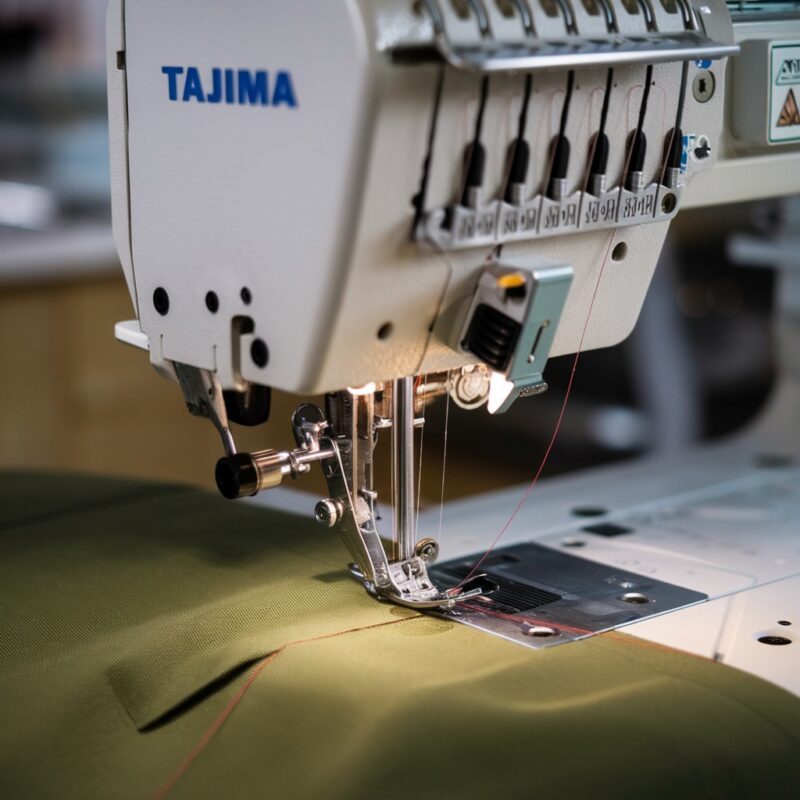
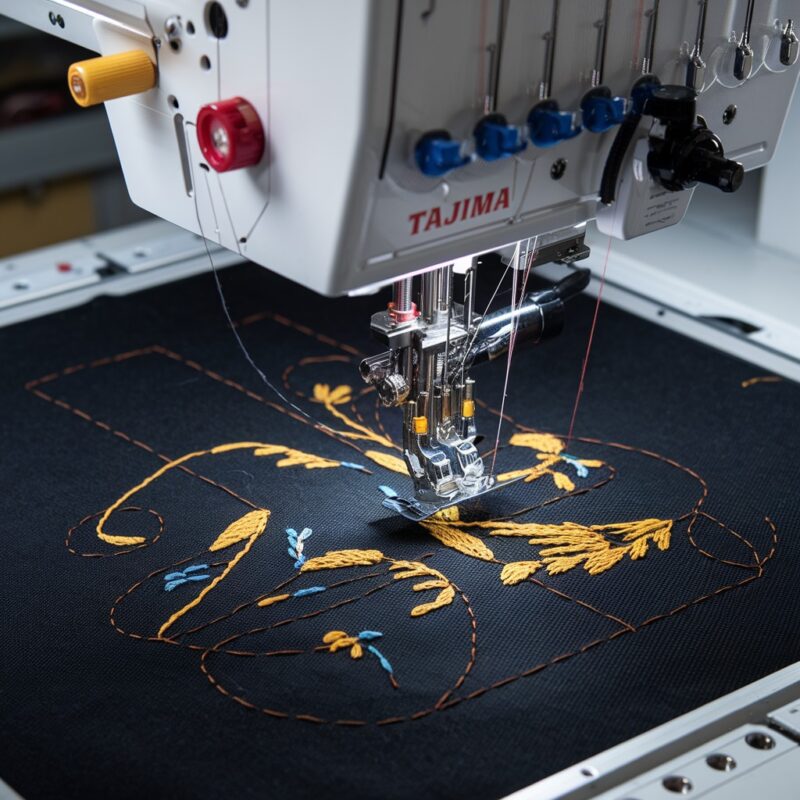
Check the needle to ensure it is not bent or broken. If the needle is damaged, replace it with a new one. Make sure the needle is correctly inserted, with the flat side facing the correct direction according to your machine’s manual. - Inspect the Thread Sensor
If your machine has a thread sensor, ensure it is functioning correctly. Check that the thread is properly aligned in the sensor’s path and that there are no breaks. If the sensor is faulty, consult a technician or refer to the machine’s manual for troubleshooting guidance. - Allow the Machine to Cool Down
If your machine has been running for an extended period, it may have overheated. Allow the machine to rest for 15-30 minutes before resuming. Ensure the room is well-ventilated and avoid covering any ventilation slots on the machine. - Adjust Thread Tension
If the machine stops due to tension issues, adjust both the upper thread and bobbin tension. Refer to your Hikone embroidery machine’s manual for the correct tension settings for the fabric and thread type you are using. - Ensure Proper Hooping
Check that the fabric is tightly and securely hooped without wrinkles or slack. Proper hooping ensures that the fabric stays in place during stitching and prevents machine stoppages due to fabric movement.
Preventive Maintenance Tips
- Regular Cleaning: Frequently clean the bobbin case, needle plate, and other key areas to prevent lint and dust buildup that can cause the machine to jam or stop.
- Use High-Quality Thread: Low-quality thread can easily break or tangle, causing the machine to stop unexpectedly. Invest in high-quality embroidery thread that suits your machine.
- Check Power Source: Ensure that the power cord is securely connected and that there are no loose connections or electrical issues causing the machine to stop.
Conclusion
Machine stoppages can be a hassle, but understanding the common causes and solutions for a Hikone embroidery machine that won’t sew can save time and prevent frustration. By regularly maintaining the machine, checking for thread issues, and using the correct bobbin and needle setup, you can avoid most of the common problems that cause these interruptions. Remember to follow the manufacturer’s guidelines for smooth operation and long-term performance.